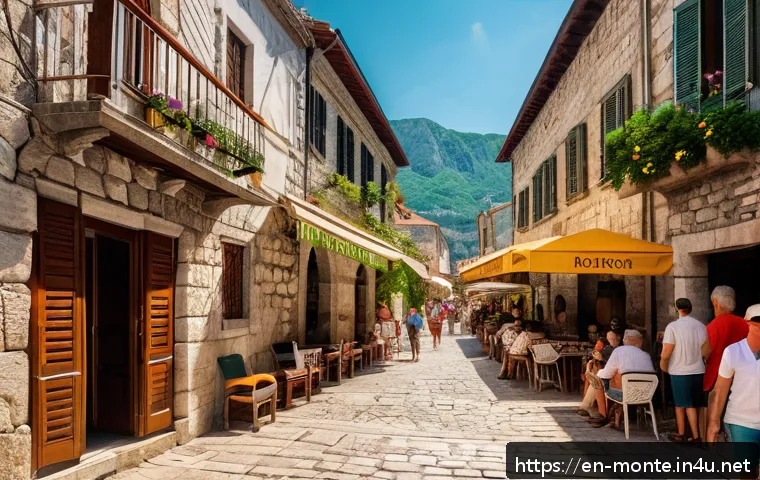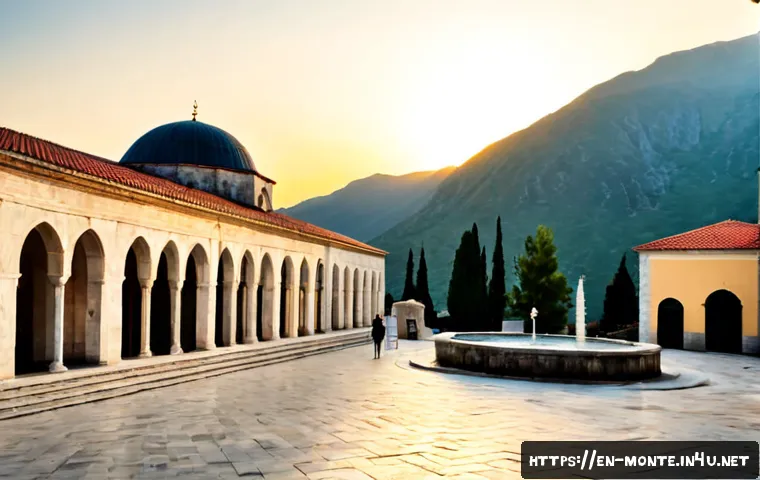
Islam is an important part of Montenegro’s multicultural identity, especially in northern and coastal communities. Learn about its Ottoman-era heritage, local customs, mosque etiquette, halal food considerations, and practical tips for respectful visits.
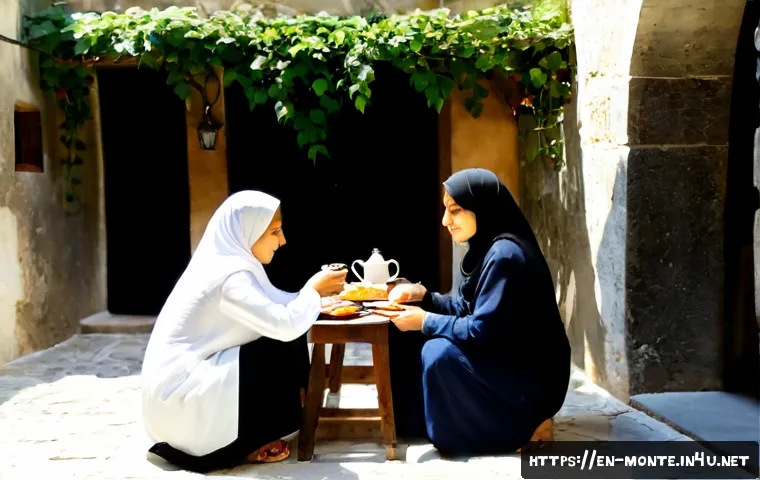
Montenegro’s Islamic culture is most visible in parts of the north, south, and coastal areas, where living Muslim communities and Ottoman-era heritage remain part of everyday local identity.
Visitors can explore this heritage respectfully by planning ahead, dressing modestly for worship sites, and checking local access rules before arriving.
For cultural travelers, the best choice depends on how much context and flexibility they want: independent exploration suits careful planners, while a local guide can help with history, language, and respectful timing.
Halal-friendly dining, mosque access, and prayer-friendly accommodation should be confirmed directly with each provider. Montenegro is diverse, so customs in Ulcinj may not feel the same as those in Rožaje, Plav, or Gusinje.
A thoughtful visit starts with curiosity, not assumptions.
At a Glance
- Islam is one of Montenegro’s recognized religious traditions, with Muslim communities especially associated with Rožaje, Plav, Gusinje, Ulcinj, Tuzi, and parts of the Sandžak area.
- Islamic heritage reflects Ottoman-era influence alongside Bosniak, Albanian, Roma, and other local community traditions.
- For respectful travel, confirm mosque visitor rules, photography permission, halal dining options, and accommodation details in advance.
| Visit Style | Best For | Planning Effort | Questions to Ask Before Booking or Going |
|---|---|---|---|
| Independent exploration | Travelers who prefer flexibility and have time to research | Higher | Is the mosque open to visitors? Is photography allowed? Are there local cultural sites nearby? |
| Small-group cultural tour | Visitors who want structure and historical interpretation | Moderate | Does the itinerary include Islamic heritage? What language is used? Is mosque access part of the plan? |
| Private local guide | Travelers seeking a tailored route, local context, or language support | Lower after booking | Can the route focus on Bosniak or Albanian cultural heritage? Can timings be adjusted around worship? |
What Islamic Culture Adds to Montenegro’s National Identity
Islamic culture is an important part of Montenegro’s multicultural identity. It sits alongside other religious and cultural traditions and is visible not only in religious buildings, but also in family life, food traditions, local languages, town layouts, and community celebrations. A respectful visitor should view this heritage as living culture, not simply as a historical attraction.
A multicultural country shaped by Balkan, Slavic, Albanian, and Ottoman influences
Montenegro’s cultural landscape has been shaped by Balkan, Slavic, Albanian, and Ottoman influences over many centuries. These influences can overlap in the same region, town, or family history. Islamic heritage is therefore one thread in a wider national story, rather than a separate or uniform cultural category.
Where Muslim communities and heritage are most visible
Muslim-majority or strongly Muslim-present communities are especially associated with Rožaje, Plav, Gusinje, Ulcinj, Tuzi, and parts of the wider Sandžak area. Northern places may offer strong Bosniak cultural influences, while Ulcinj is known for its significant Albanian cultural presence. Visitors should avoid expecting identical customs, languages, or daily rhythms in every destination.
What visitors should understand before arriving
There is an important difference between learning about Islamic heritage and entering an active place of worship. A historic streetscape, mosque exterior, minaret, or Ottoman-influenced urban area may be easy to appreciate from public space. An active mosque, however, may have rules shaped by prayer times, local custom, or the needs of worshippers. Respect comes before access.
Historical Roots: Ottoman Heritage and Living Muslim Communities
Islamic heritage in Montenegro is closely linked to centuries of Ottoman rule in parts of the Balkans. That history influenced architecture, trade connections, education, and urban life, but it should not be treated as something frozen in the past. Muslim communities continue to contribute to the country’s social and cultural fabric today.
How Ottoman-era history influenced architecture, trade, and town life
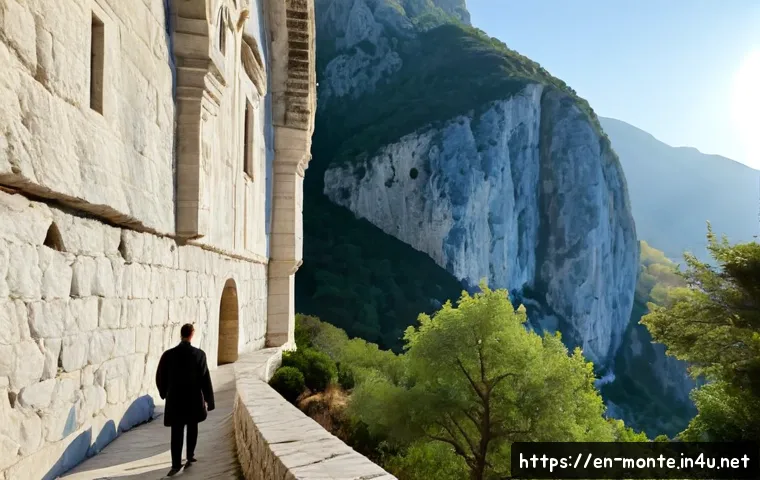
Visitors may notice historic mosques, minarets, religious schools, and Ottoman-influenced urban spaces in places connected with this heritage. These features can help travelers understand how towns developed through commerce, faith, and regional exchange. The most meaningful approach is to look beyond a single building and consider its relationship with the surrounding neighborhood and community.
Bosniak, Albanian, Roma, and other community traditions
Montenegro’s Muslim communities include Bosniaks, Albanians, ethnic Muslims, Roma, and other residents with diverse local identities. Some traditions may be shaped by family background, language, place, or local history as much as by religion. This is why a broad label such as “Muslim culture” can be useful as a starting point, but not as a complete explanation.
Why religion, ethnicity, language, and local identity should not be oversimplified
Do not assume that a person’s religion automatically tells you their ethnicity, language, politics, or personal practices. It is better to ask open, polite questions when conversation is welcome, such as what a particular place means to local residents or whether a cultural custom is specific to that town. Avoid turning regional history into a debate with strangers.
Planning a Respectful Cultural Visit: Tours, Locations, and Value
A well-planned heritage visit can be simple, but it requires a few checks. Cultural tours, private guides, accommodation locations, and halal dining research all offer different kinds of value. The right option depends on whether your priority is flexibility, historical interpretation, transport convenience, or direct local context.
Comparison table: self-guided exploration vs group tour vs private guide
Self-guided travel gives you the most control over timing and route choices. It can work well if you are comfortable researching visitor access, transport, and local etiquette before leaving. A small-group cultural tour may be useful when you want a planned route and a general introduction to Ottoman heritage or local history. A private local guide can be the better fit when you want a customized itinerary, multilingual support, or a deeper explanation of local distinctions.
When a local guide can be worth the additional cost
A local guide may add value when a site has limited English-language interpretation, when transport between towns needs coordination, or when you want to understand why local customs differ from one area to another. A guide should not be expected to guarantee access to active worship spaces, but they may help you approach a visit with better context and timing.
Questions to ask tour providers about cultural focus, mosque access, transport, and language
Before choosing a cultural tour, ask whether the itinerary genuinely includes Islamic heritage or only passes through a town briefly. Ask about transport arrangements, language support, time for independent exploration, mosque etiquette, and whether entry is dependent on local permission. If halal food matters to your travel plans, ask whether dining stops can accommodate your needs rather than assuming they will.
Mosque Etiquette, Ramadan Awareness, and Common Visitor Mistakes
Good mosque etiquette is straightforward: dress modestly, behave quietly, and follow instructions from the local community. The details can vary by mosque, so there is no substitute for checking on the day of your visit. A calm, observant approach is usually more useful than relying on a rigid travel checklist.
Clothing, footwear, quiet conduct, and photography permission
Choose modest clothing when visiting a mosque or a conservative community setting. Footwear expectations may apply inside, and visitors should follow any request to remove shoes. Keep voices low, avoid blocking entrances, and never assume photography is allowed. Ask permission before taking photos, especially when people are praying or when children and families are present.
How prayer times and Friday services can affect visits
Prayer times and Friday services may affect whether a mosque is appropriate to visit as a non-worshipper. Even if a building is open, a quiet visit may not be suitable at every moment. Plan alternative activities nearby, such as walking through historic streets or visiting public areas, in case access is limited.
Dining and alcohol etiquette in culturally conservative settings
Dining practices vary by household, restaurant, and town. Do not assume that every restaurant serves halal food or that every accommodation has prayer-friendly facilities. In more culturally conservative settings, be considerate when discussing or consuming alcohol, and avoid treating local customs as a novelty. If halal dining is important, confirm ingredients, preparation, and availability directly with the restaurant.
Mistakes to avoid when discussing religion or regional history
Avoid reducing people to labels, making jokes about religion, or asking intrusive questions about personal belief. It is also wise not to make broad claims about Ottoman history, ethnicity, or regional identity without listening to local perspectives. A respectful traveler can ask questions, but should leave room for complex answers.
Where to Experience Islamic Heritage in Montenegro
Montenegro’s Islamic heritage is best explored through a combination of place, context, and timing. Rather than rushing to collect landmarks, build an itinerary that allows time to observe neighborhoods, local architecture, and everyday rhythms.
Northern towns: Rožaje, Plav, and Gusinje
Rožaje, Plav, and Gusinje are associated with strong Muslim community presence and northern cultural traditions. These destinations may suit travelers interested in Bosniak-influenced local context, mosque architecture, and slower town-based exploration. Access arrangements and visitor information can vary, so confirm details locally before planning a worship-site visit.
Coastal and southern perspectives: Ulcinj and nearby communities
Ulcinj offers a different perspective, with a significant Albanian cultural presence. It can be a useful destination for travelers who want to understand how coastal life, Albanian identity, and Islamic cultural traditions intersect. Do not assume that northern customs will transfer directly to the coast, even when visitors encounter familiar religious symbols.
Building an itinerary around heritage sites, local food, and respectful timing
A practical itinerary can pair public heritage areas with time for local dining and independent walks. Choose accommodation based on the location of your planned activities rather than assuming every hotel provides halal food, prayer space, or cultural interpretation. If you are traveling during Ramadan or near Eid al-Fitr, check local schedules and community information because practices and public visibility vary by town and year.
Selection Criteria and Comparison Summary
Choose self-guided travel if flexibility matters most and you have time to verify access rules, transport, and dining options. Choose a guided heritage walk if you value historical interpretation and simpler logistics. Choose a private guide if you want a tailored route, multilingual support, or more detailed local context. For halal dining research, prioritize direct confirmation with restaurants; for accommodation, select a location that reduces unnecessary travel between your chosen heritage sites. Before booking, review the provider’s current details on its official page and ask about cultural focus, access conditions, and practical requirements.
Conclusion
Islamic culture in Montenegro is part of a diverse and living national landscape. A respectful visit means recognizing both the Ottoman-era heritage visible in architecture and the communities who continue to shape local life. Whether you travel independently or with a guide, thoughtful planning will make the experience more informative and more considerate. Keep your expectations flexible, especially around mosque access, dining, and local event schedules.
Useful Things to Know
1. Mosque access and photography rules may differ by location.
2. Rožaje, Plav, Gusinje, Ulcinj, and Tuzi can offer different cultural perspectives.
3. Ramadan and Eid al-Fitr observance varies by household and town.
4. Halal-certified food and prayer-friendly accommodation should be verified directly.
5. A local guide can be especially useful where interpretation is limited or language support is needed.
Important Notes
Visitor hours, mosque entry policies, photography permission, restaurant services, hotel facilities, and local event dates can change. Smaller religious and heritage sites may not provide English-language interpretation. Confirm current arrangements with the relevant mosque, tour provider, restaurant, accommodation, or local visitor information source before making fixed plans.
Frequently Asked Questions
Q1. Is Montenegro safe and welcoming for Muslim travelers?
A1. Montenegro includes established Muslim communities and Islamic cultural heritage as part of its religious diversity. Individual travel experiences can vary by destination and provider, so it is sensible to plan practical needs such as dining, accommodation, transport, and worship-site access in advance.
Q2. Are halal food and prayer facilities easy to find in Montenegro?
A2. Availability may vary by town, restaurant, hotel, and current provider policies. Muslim-present areas may offer more relevant options, but travelers should not assume halal certification or prayer-friendly facilities without direct confirmation.
Q3. Is it appropriate for non-Muslims to visit mosques in Montenegro?
A3. It can be appropriate when visitors are welcome and follow local rules. Dress modestly, be quiet, avoid visiting during unsuitable moments such as active services, remove footwear if requested, and ask permission before taking photographs.