Montenegro combines dramatic mountain roads, Venetian-influenced coastal towns, strong coffee rituals, and late-night dining. Learn what feels unusual to visitors and how to choose tours, transport, and stays wisely.
Montenegro feels unusual because a short Adriatic coast quickly gives way to high mountains, deep canyons, lake country, and slow rural roads. For most first-time visitors, the best choice is to match the base and transport plan: stay coastal without a car, rent a car for a flexible mountain route, or use guided excursions for easier access without driving pressure.
Car-free travelers usually benefit from a coastal base and selected day trips. Road-trip travelers gain the most flexibility but should allow extra time for narrow, winding mountain routes.
Travelers seeking quiet scenery should look beyond the busiest coastal areas and consider Durmitor or Lake Skadar. Montenegro uses the euro (€), even though it is outside the European Union and eurozone.
Accommodation demand, vehicle availability, and the practical cost of tours can change substantially with season, booking date, and location. A little planning around parking, mobile data, travel insurance, and transfer options can prevent the most common surprises.
At a Glance
- For a car-free trip: Use Kotor, Perast, or Budva as a base and compare guided excursions, buses, taxis, and private transfers before committing.
- For a road trip: A rental car can add freedom for mountain and national-park routes, but winding roads can make short map distances feel much longer.
- For quieter scenery: Consider Durmitor or Lake Skadar rather than relying only on the busy summer coast.
| Base | Atmosphere | Transport Considerations | Typical Booking Demand | Best Trip Style |
|---|---|---|---|---|
| Kotor | Historic, scenic, and enclosed by fortified landscapes | Convenient for coastal sightseeing; parking and driving logistics deserve attention | Often busier in summer | Heritage, bay views, car-free stays with planned excursions |
| Budva | Beach-oriented, lively, and nightlife-focused | Useful for travelers who want a wider choice of accommodation | Notably busy in the summer season | Beach breaks, evening activity, flexible lodging choices |
| Perast | Small-scale, atmospheric, and bay-focused | Best treated as a calm coastal base or stop, with transport planned in advance | Can be affected by wider Kotor Bay summer demand | Couples, heritage scenery, slower-paced stays |
| Durmitor | Mountain and national-park landscape | A rental car, private transfer, or guided route may be more practical than relying on spontaneous transport | Different from coastal demand patterns | Scenic driving, outdoor-focused itineraries, quieter stays |
| Lake Skadar | Lake scenery and inland calm | Check access and tour pickup arrangements before booking accommodation | Can suit travelers avoiding the busiest beach zones | Nature-focused breaks and mixed coast-and-inland trips |
What First-Time Visitors May Find Unexpected
A tiny country with coast, limestone peaks, canyons, and lake landscapes
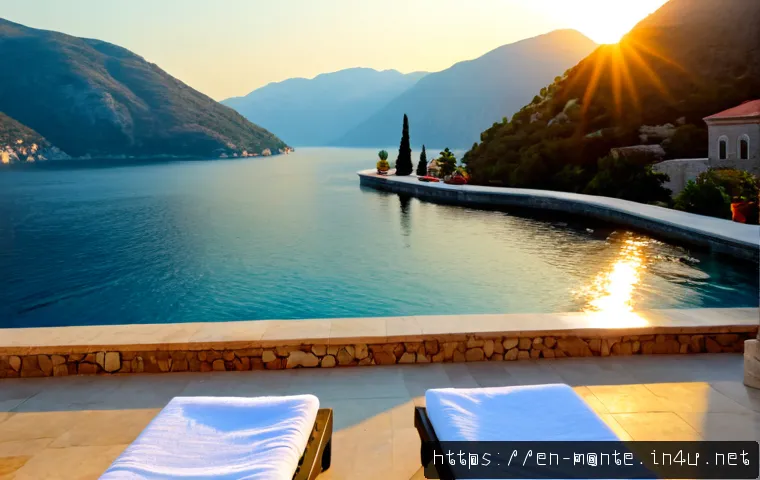
Montenegro’s strongest surprise is contrast. It has a short Adriatic coastline, yet high mountains, deep canyons, inland national parks, and lake landscapes are all part of the same trip-planning conversation. A beach-oriented stay can therefore sit very close to an itinerary built around viewpoints and rugged roads.
This variety is a reason to avoid booking every night in one place by default. A single coastal hotel may be convenient, but a mixed itinerary can better suit travelers who want both Venetian-influenced towns and inland scenery. The right choice depends on whether ease of movement or landscape variety matters more.
Why the pace of meals and coffee can feel slower and more social
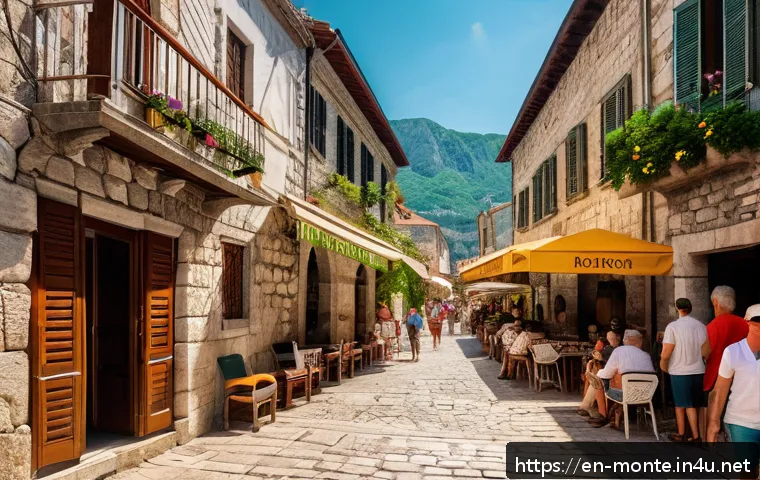
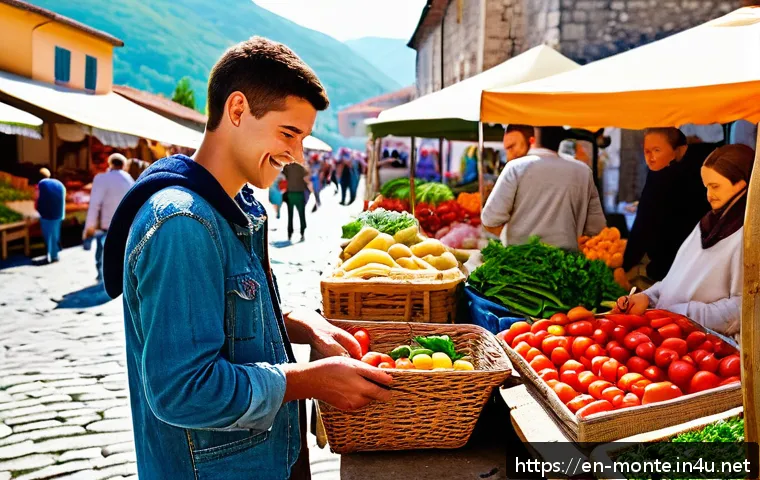
Coffee is commonly treated as a social ritual in Montenegro. Visitors may find that the expected rhythm is to sit, talk, and stay a while rather than quickly take a drink to go. That slower pace can be a pleasant part of the experience, especially in old towns and along the coast.
For travelers with tightly scheduled tours or airport transfers, the practical lesson is simple: leave breathing room around meals and coffee stops. Service expectations and individual customs vary by town and business, so it is better to ask politely than assume a familiar fast-paced routine.
The contrast between historic walled towns and rugged inland roads
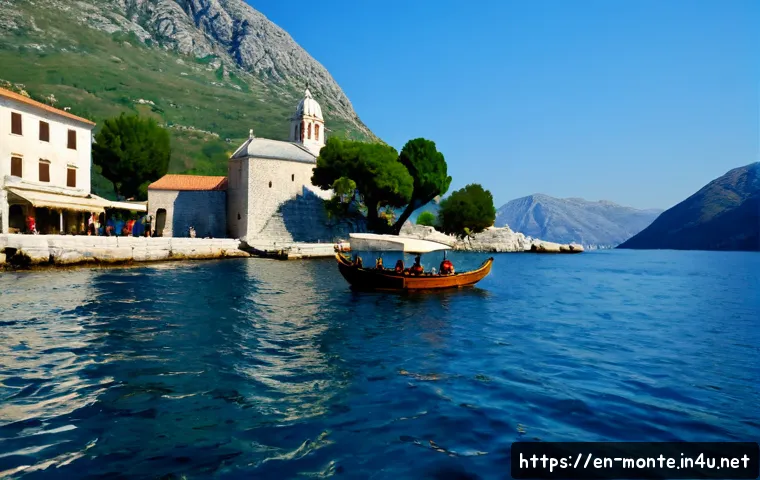
Kotor’s old town and its surrounding natural and cultural-historical region are widely known for Venetian-era architecture and fortified landscapes. The visual shift from those stone streets to inland mountain roads can feel dramatic. It is also where itinerary plans often become unrealistic.
Do not treat map distance as driving time. Mountain routes can be narrow, winding, and slower than expected. A scenic drive may be worthwhile, but it should not be planned as a rushed connection between fixed hotel check-in, restaurant, or tour times.
Choose the Right Base: Coast, Old Town, Lake, or Mountains
Kotor and Perast for heritage scenery and day-trip access
Kotor suits travelers who want historic streets, bay scenery, and a recognizable base for coastal day trips. Perast offers a smaller-scale atmosphere for travelers who value calm surroundings and heritage views. Both can work well for couples who prefer walking, dining, and sightseeing over frequent long drives.
The trade-off is seasonal pressure. Kotor and nearby coastal areas become notably busier in summer. When comparing accommodation, check the exact location, access route, parking situation, and cancellation terms, not simply the nightly rate.
Budva for beaches, nightlife, and a wider range of accommodation
Budva is a practical choice for travelers prioritizing beaches, late evenings, and a wider range of accommodation options. It can make sense when a trip is centered on the coast rather than mountain exploration. It may also suit visitors who want more flexibility in the type of stay they choose.
Its main planning consideration is crowd level during the summer season. If peace and quiet are essential, compare the immediate area around the property, not only the town name in a booking listing.
Durmitor and Lake Skadar for nature-focused travelers
Durmitor and Lake Skadar are stronger fits for travelers who see nature as the main event rather than an optional day trip. Durmitor supports a mountain-focused plan, while Lake Skadar offers a different inland landscape and a quieter alternative to the beach-centered coast.
These areas reward advance planning. Confirm transport, attraction access, weather conditions, and whether the property suits your arrival method. A beautiful rural stay can be less convenient if it requires a complicated pickup or a drive you do not feel comfortable making.
Transport Choices and the Real Cost of Getting Around
When a rental car is worth the added cost and driving responsibility
A rental car is most useful when your itinerary includes several inland stops, mountain viewpoints, national-park access, or accommodation outside the main coastal centers. It can give you control over timing and make a mixed coast-and-mountains itinerary easier to shape.
However, the decision is not only about the rental-car rate. Compare parking, fuel, road confidence, travel time, pickup conditions, insurance options, and driving requirements. Narrow and winding routes may make the added responsibility less attractive for some travelers.
When private transfers, buses, taxis, or guided tours make more sense
Private transfers, buses, taxis, and guided day trips can be the better choice for visitors who want to stay car-free. They are especially worth comparing when you plan to spend most of your time in Kotor, Perast, or Budva and only want occasional access to inland scenery.
A guided excursion can also simplify logistics for a one-day mountain or lake experience. Before booking, check the meeting point, duration, what transport is included, and whether the route matches your preferred pace. For a transfer or tour, review the detailed conditions on the provider’s page before choosing.
Road, parking, fuel, border, and travel-time checks before committing
Road conditions, border waiting times, weather, and access to mountain attractions can change without notice. Confirm the route shortly before travel rather than relying solely on an early itinerary draft. If you are renting a car, verify current driving rules and the provider’s coverage terms directly.
Parking deserves the same attention as the room itself when staying in historic or coastal areas. A lower-priced stay may not be the better value if access or parking does not suit your travel plan.
Local Experiences That Feel Different From a Typical Mediterranean Break
Coffee culture, long conversations, and unhurried dining
Montenegro can feel less rushed than a typical quick-stop beach break. Sitting over coffee and conversation is part of the local rhythm, and late-night dining can feel natural in coastal towns. The experience works best when you leave room for it instead of packing every hour with reservations.
Mountain viewpoints, monastery visits, and village roads
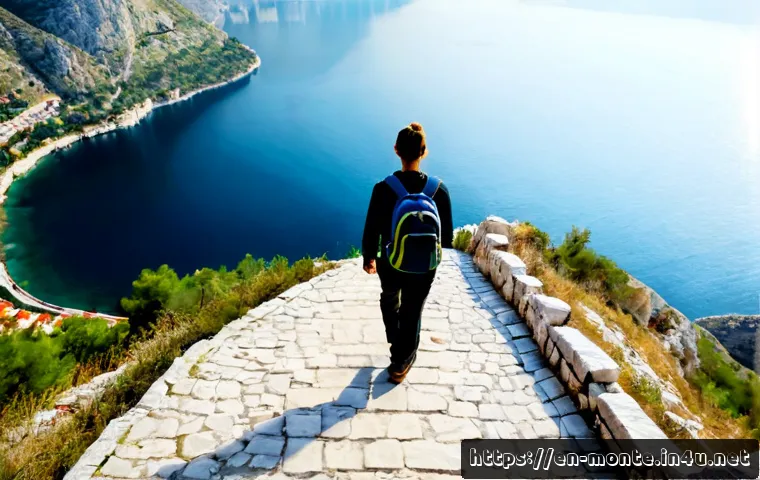
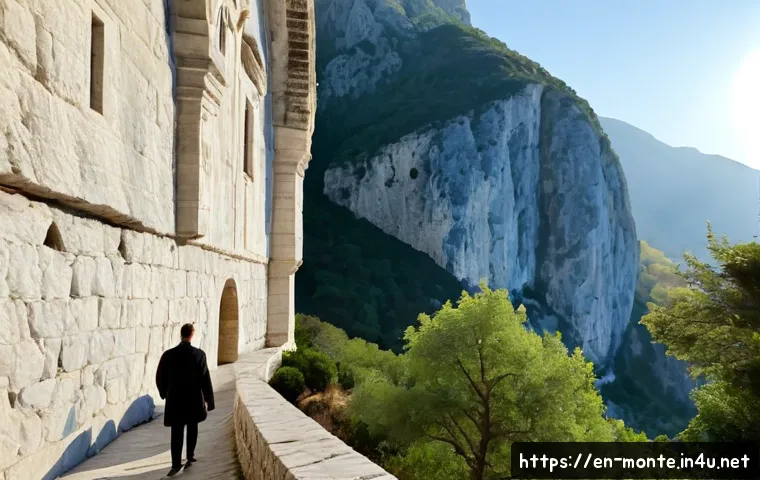
The inland landscape gives Montenegro a character beyond the coast. Mountain viewpoints, monastery visits, and village roads can make a short journey feel more varied than the country’s size suggests. They also require realistic timing and a transport plan that fits the route.
If your priority is scenery without driving, compare guided excursions with a private transfer arrangement. If your priority is stopping whenever you wish, a rental car may offer more value—provided you are prepared for slower mountain travel.
Seasonal contrasts between busy coastal evenings and quieter inland areas
Summer changes the feel of the coast, particularly around Kotor, Budva, and nearby beach areas. Lively evenings may be exactly what some visitors want, while others may prefer an inland or mountain stay for a calmer base. There is no universally best area; there is only the area that matches your tolerance for crowds and your transport style.
Avoidable Planning Mistakes for an Easier Trip
Booking solely by a low nightly rate without checking location and parking
Compare accommodation by more than price. Look at its position relative to your arrival point, daily plans, walking needs, and parking expectations. For a car-free trip, a central location may reduce the need for repeated taxis. For a road trip, secure and practical access can matter more than a small nightly saving.
Treating short map distances as short driving times
This is one of the easiest mistakes to make. Montenegro’s mountain routes can be slow because they are narrow and winding. Build flexible travel days, avoid stacking too many inland stops, and do not rely on a tight connection after a scenic drive.
Forgetting mobile-data, payment, travel-insurance, and weather planning
Montenegro is not part of the EU roaming zone, so mobile-data costs can vary according to your home provider and plan. Check roaming terms before departure and consider the connectivity you will need for maps, transport messages, and accommodation contact.
Also confirm cash-access needs, accepted payment methods, travel insurance coverage, entry rules, and current weather conditions. These details can affect the usefulness of a rental car, a remote stay, or a pre-booked excursion.
Selection Criteria and Comparison Summary
Best setup for a first visit without a car
Choose a coastal base such as Kotor, Perast, or Budva based on your preference for heritage, quiet, beaches, or nightlife. Then use a mix of walking, buses, taxis, private transfers, and carefully selected guided day trips. This setup reduces driving responsibility while keeping the trip focused.
Best setup for scenic driving and national-park access
A mixed itinerary with a rental car can be suitable for travelers who want the coast, mountain routes, and national-park landscapes in one trip. Build in extra time, choose accommodation with workable access, and confirm the rental agreement, driving requirements, and insurance cover before booking.
Best setup for travelers balancing comfort, crowds, and trip costs
Use this short decision check before paying for accommodation or transport:
- Lodging area: Do you want historic bay scenery, beach activity, lake calm, or mountain access?
- Transport method: Will a rental car genuinely improve your route, or will transfers and tours be simpler?
- Tour type: Is a guided excursion better for a single scenic day, while independent travel suits a multi-stop plan?
- Crowd strategy: Are you comfortable with busy summer coastal areas, or do you prefer an inland base?
- Insurance and connectivity: Have you checked current coverage, driving requirements, and roaming terms?
Compare the full conditions for accommodation, car hire, transfers, tours, and travel insurance on the relevant booking or provider page before making a final choice.
Final Thoughts
Montenegro is unusual not because it is difficult to understand, but because its landscapes and travel styles change quickly. A coastal old-town stay, a beach-focused base, and a mountain road trip can feel like very different holidays. The most satisfying plan is usually the one that accepts slower mountain travel, plans for seasonal coastal crowds, and chooses transport to match the route.
Give yourself room for long coffee stops, scenic detours, and the occasional change in weather or access conditions. That flexibility is often more valuable than trying to fit every landscape into a short schedule.
Useful Things to Know
Currency: Montenegro uses the euro (€), despite not being in the European Union or eurozone.
Mobile service: EU roaming assumptions may not apply, so confirm your plan’s Montenegro terms before using data.
Summer demand: Kotor, Budva, and nearby beach areas can become much busier during the summer season.
Driving: Mountain roads can be narrow, winding, and slower than map distances suggest.
Important Notes
Hotel, rental-car, transfer, tour, restaurant, and mobile-data costs vary by season, booking date, provider, and location. Road conditions, weather, border waits, and access to mountain attractions may change without notice. Confirm current entry rules, insurance coverage, driving requirements, roaming terms, and provider conditions before booking or traveling.
Frequently Asked Questions
Q1. Is Montenegro expensive for tourists compared with nearby Balkan destinations?
A1. Costs vary widely by season, location, booking date, and provider, so a simple country-wide answer can be misleading. Coastal accommodation, car hire, guided excursions, mobile data, and dining choices should be compared for your specific dates. Summer demand around Kotor, Budva, and nearby beaches can affect availability and value.
Q2. Is it better to rent a car in Montenegro or book guided day trips?
A2. A rental car can be worthwhile for travelers building a flexible route through mountain and national-park areas. Guided day trips, private transfers, buses, or taxis can be easier for visitors staying mainly on the coast who do not want the responsibility of narrow, winding mountain roads. Compare the full transport conditions, parking needs, and insurance terms rather than only the initial price.
Q3. Which part of Montenegro is best for first-time visitors who want both coast and nature?
A3. A coastal base around Kotor, Perast, or Budva can work well for a first visit, with day trips or a second inland stay for nature. Kotor and Perast emphasize heritage scenery, Budva emphasizes beaches and nightlife, while Durmitor and Lake Skadar are better fits when nature is the central priority. Your best choice depends on crowd tolerance, transport preference, and how much mountain travel you want.