Plan a Montenegro walking trip with realistic route choices, seasonal considerations, transport limits, safety checks, and a clear comparison of self-guided and guided hiking costs.
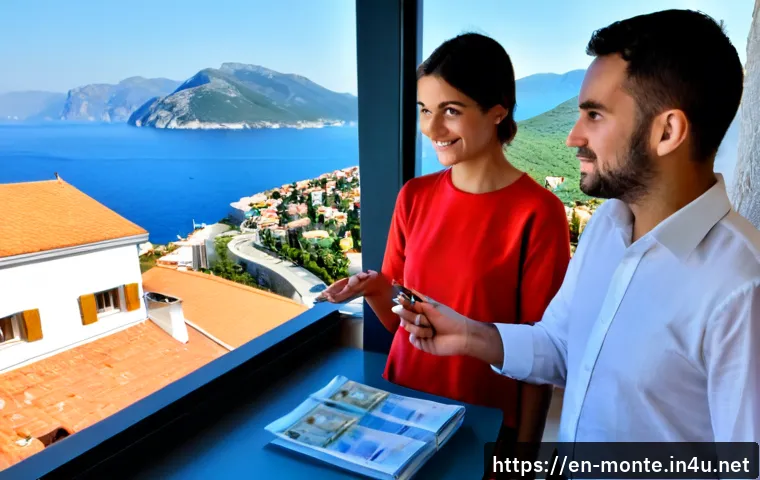
Montenegro works well for a walking holiday if you choose a base that matches your preferred terrain and arrange transport before committing to remote trailheads. Kotor Bay suits scenic coastal walks, while Žabljak and Durmitor are better for mountain-focused hiking. Independent travelers can keep control of their itinerary, but guided hiking tours can be a sensible choice when route conditions, transfers, or navigation feel uncertain. The country combines Adriatic scenery with high inland landscapes, so one trip may involve very different temperatures and packing needs. Costs are paid in euros (€), but exact accommodation, rental car, private transfer, and guided-tour prices should be checked for your travel dates. A practical plan leaves room for weather changes, trail updates, and a shorter backup walk.
At a Glance
- First-time walkers: Choose a well-located base and scenic day walks rather than building an itinerary around remote mountain routes.
- Budget-focused travelers: Self-guided walking can work well, but check transport connections before booking accommodation.
- Remote-route hikers: A local guide, organized transport, or a multi-day walking package may reduce planning pressure and navigation uncertainty.
| Walking setup | Best for | Planning effort | Main cost drivers | Key consideration |
|---|---|---|---|---|
| Self-guided travel | Flexible travelers comfortable with research | Higher | Accommodation, transfers, rental car, food, navigation tools | Trail access may not align with public bus schedules |
| Guided day hike | Visitors wanting local route support for one day | Moderate | Guide service, transport inclusion, group size, route choice | Useful when weather, navigation, or trailhead access is unclear |
| Multi-day walking package | Travelers who value simpler logistics | Lower before departure | Accommodation level, transfers, guide support, included services | Read the itinerary carefully to see what transport and activities include |
Is Montenegro a Good Destination for a Walking Holiday?
Yes, Montenegro can be an excellent walking destination for travelers who are willing to plan around terrain and transport rather than simply choosing the shortest distance between towns. Coastal landscapes around Kotor Bay feel very different from the mountainous national parks inland. That contrast is a major advantage, but it also means one accommodation choice may not serve every kind of walk.
The Best Fit for Coastal Strollers, Day Hikers, and Multi-Day Trekkers
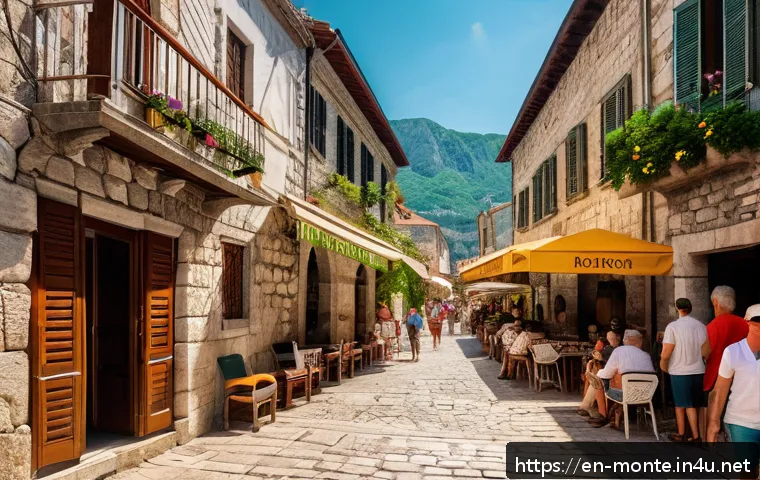
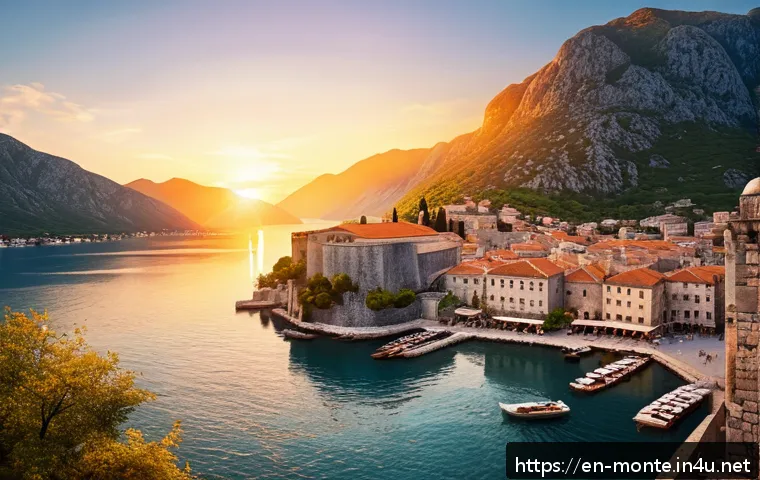
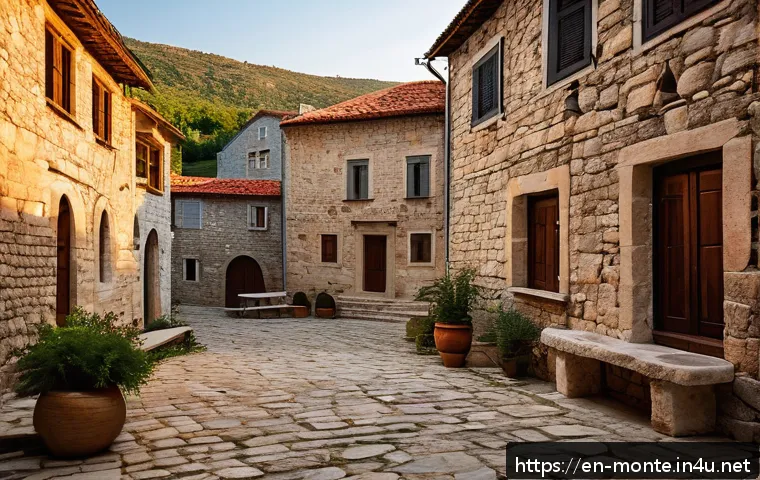
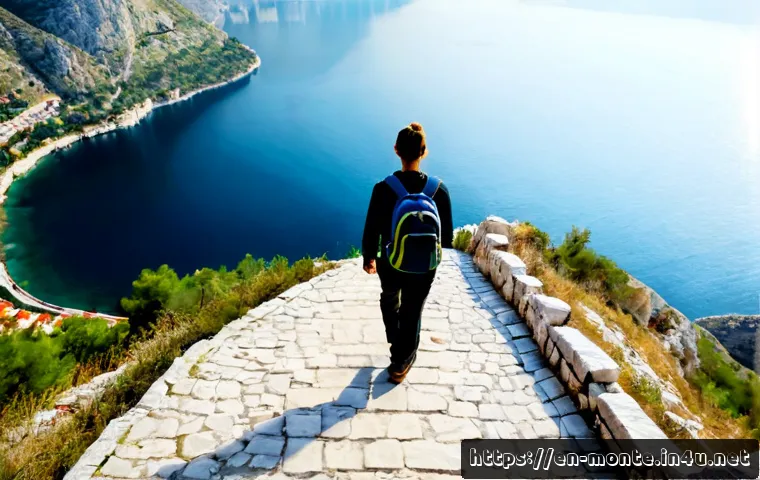
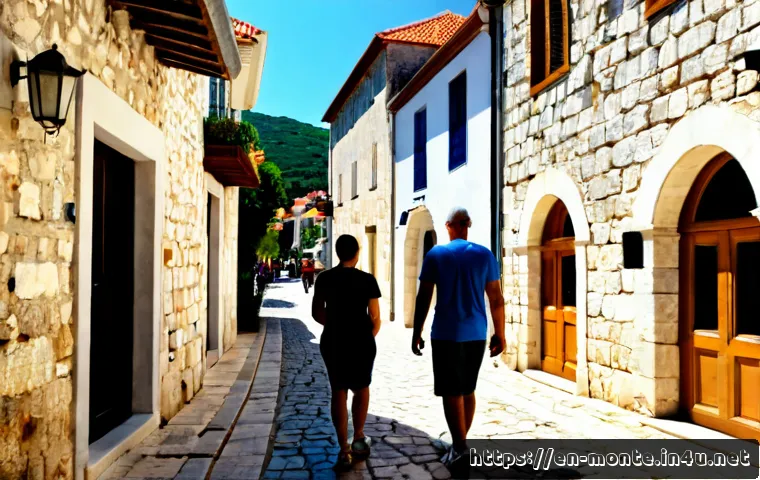
Coastal strollers may prefer Kotor Bay, where stone paths, bay views, and historic settlements can shape a relaxed walking-focused stay. Day hikers often look toward Durmitor National Park and a base around Žabljak, where the trip can be centered on higher-elevation terrain. More experienced planners may consider Biogradska Gora National Park or Prokletije for quieter and more remote mountain-oriented routes.
The right choice depends less on a destination name and more on what you want to do each day. A short scenic walk, a full day hike, and a multi-day mountain route have very different needs for weather checks, food, water, navigation, and return transport.
What Makes Logistics More Important Than Distance Alone
A trail may appear close on a map but still require a taxi, rental car, private transfer, or organized transport. Do not assume that public buses will provide a practical trailhead-to-trailhead solution. This matters especially if you need to return to a different town after walking or if seasonal transport is limited.
Mountain access can also change because of snow, storms, maintenance, and seasonal conditions. Before finalizing accommodation or a route, confirm current trail information, the starting point, the finishing point, and how you will get back.
Three Quick Recommendations by Travel Style
- For an easy-going first trip: Stay near the coast and combine short scenic walks with flexible sightseeing days.
- For a hiking-first holiday: Base yourself near Žabljak and focus on Durmitor rather than trying to combine coast and high mountains every day.
- For remote mountain ambitions: Build in extra planning time, offline navigation, documentation checks near border areas, and a guide or transfer option.
Choose the Right Walking Region Before Booking Accommodation
Your accommodation location is a route-planning decision. A pleasant hotel or apartment can still be inconvenient if it leaves you far from the walks you want, dependent on uncertain transport, or without a realistic way to return after a hike.
Kotor Bay and the Coast: Scenery, Stone Paths, Heat, and Busy-Season Trade-Offs
Kotor Bay is a natural choice for travelers who want Adriatic scenery alongside walking. It can suit visitors who enjoy historic settings, coastal views, and shorter outings that fit around cafés, meals, and sightseeing. The trade-off is that coastal areas can be significantly warmer than high-elevation areas during the same trip.
Plan early starts on warmer days, carry water, and avoid packing only for a coastal climate if you intend to add inland hiking. Busy periods can also affect the feel of the area, so choose accommodation based on how close you want to be to services, walking access, and transport connections.
Durmitor and Žabljak: Higher-Elevation Hikes and Mountain-Focused Bases
Žabljak is a practical base for travelers whose main goal is mountain walking in and around Durmitor National Park. Its value is not just proximity; it lets you spend more of your trip focused on mountain conditions rather than repeatedly transferring from the coast.
Higher elevation does not automatically mean easier walking in warmer weather. Conditions can change quickly, and routes may be affected by snow, storms, or maintenance. Check current access and route conditions shortly before each hike, not only when you first plan the trip.
Biogradska Gora and Prokletije: Quieter Options for Experienced Planners
Biogradska Gora National Park and Prokletije are commonly associated with outdoor travel and hiking, and they may appeal to visitors who want a less coast-centered experience. They require a more deliberate approach to transport, navigation, and overnight planning than an easy day walk near a major base.
For remote mountain routes and border areas, verify whether permits, reservations, guides, or border-crossing documentation are relevant to your exact plan. These requirements cannot be assumed from a general itinerary.
Base Comparison: Access, Walking Style, Services, and Budget Factors
| Base or region | Walking style | Access approach | Accommodation selection focus | Budget factors to compare |
|---|---|---|---|---|
| Kotor Bay | Coastal and scenic walks | Useful for a coast-based itinerary; some walks may still need a transfer | Distance to waterfront, services, and onward transport | Seasonal demand, room location, taxi or transfer needs |
| Žabljak / Durmitor | Mountain day hikes and hiking-focused stays | Better for concentrating time around mountain routes | Access to supplies, pickup points, and your intended trailheads | Transfers, rental car needs, guided hiking options |
| Biogradska Gora area | National-park walking and quieter outdoor travel | Plan connections before arrival | Practical access rather than scenery alone | Transport availability and route-specific arrangements |
| Prokletije area | Remote mountain routes | Often needs detailed route and transport planning | Reliable route support and realistic access plans | Guide, private transfer, documentation, and backup lodging |
Self-Guided vs Guided Walking: Cost, Convenience, and Risk
Self-guided is not automatically cheaper once transfers, missed connections, and time spent solving logistics are considered. Guided hiking tours are not automatically better either. The useful comparison is whether the added service solves a real problem in your itinerary.
What a Self-Guided Trip Can Save—and What It Requires From You
A self-guided itinerary gives you flexibility to choose your accommodation, pace, rest days, and route priorities. It may suit travelers who are comfortable reviewing trail details, arranging airport transfers or local taxis, and changing plans when conditions shift.
In return, you need to manage each moving part: route research, offline maps, food and water, start and finish transport, weather checks, and alternative plans. If a route is remote, the planning burden can rise quickly. A rental car may simplify certain itineraries, but its actual cost and usefulness depend on your exact bases and walking plans.
When a Guided Day Hike Offers Better Value
A guided day hike can make sense when you want local route knowledge without committing to a full multi-day package. It may be particularly useful for a mountain day where trail conditions are uncertain, the trailhead is difficult to reach, or you would rather spend your limited time walking than coordinating transport.
When comparing guided hiking tours, look beyond the headline itinerary. Check the meeting location, group arrangement, expected route level, transport details, what equipment or food is expected from you, and the cancellation terms. Exact guided-tour prices vary, so compare the included services rather than assuming one format is less expensive.
When Private Transfers, a Rental Car, or a Tour Package Simplify the Itinerary
Private transfers can be practical when public transport does not match your trailhead or finish point. A rental car can offer flexibility for travelers staying in more than one hiking area. An organized walking package may suit visitors who want accommodation, transfers, and route support coordinated in advance.
Choose the option that removes the biggest weak point in your itinerary. For one remote day hike, a transfer or guide may be enough. For several point-to-point walks across different regions, a multi-day walking package may be easier to evaluate than arranging each segment separately.
Travel Insurance and Cancellation Checks for Mountain Activities
Travel insurance deserves attention on a walking holiday because weather, trail access, transport, and activity plans can change. Read the policy wording for hiking and mountain activities, as coverage conditions may depend on the route, elevation, guide status, or activity type. Also review cancellation conditions for accommodation, airport transfers, rental cars, and guided tours before booking.
Insurance is not a substitute for sound decisions on the trail. It is still important to check conditions, carry suitable gear, and turn back when a route no longer fits the weather or your confidence.
Build a Safe, Realistic Day-by-Day Walking Plan
A good Montenegro walking itinerary is usually less ambitious on paper and more dependable in real life. Build each day around the full task: getting to the trailhead, walking safely, returning, eating, and having enough time to adjust if conditions change.
Match Distance and Elevation Gain to Daylight, Weather, and Fitness
Distance alone does not describe the difficulty of a walk. Elevation, surface, heat, weather, and the need to return by a particular time can all change the effort required. Select routes that fit your own experience and current fitness, and leave room for stops, slower terrain, and a change of plan.

If your trip includes both Kotor Bay and a mountain national park, treat them as separate environments. Coastal heat and high-elevation weather can require different pacing and clothing on the same holiday.
Plan Transport Before Committing to a Trailhead
Before you choose a route, answer four questions: How will you reach the start? Where will you finish? How will you return? What happens if you finish later than expected? If the answers rely on a bus connection, confirm that the schedule works for the date and season.
For point-to-point walks, a taxi, private transfer, rental car, or organized transport can be more realistic than trying to force a route around limited public buses. Arrange pickup details clearly when your finish point is remote or has limited mobile signal.
Carry Navigation, Water, Layers, and Offline Backup Information
Carry enough water for the conditions, use offline navigation, and save essential route and transport details before leaving reliable internet access. Layers matter because mountain weather can differ sharply from the coast. A charged phone is helpful, but it should not be your only plan for route information.
Keep a simpler backup walk in mind. This is especially useful when snow, storms, maintenance, or transport availability changes a planned route.
Avoid These Common First-Time Montenegro Walking Mistakes
- Booking a coastal stay while expecting easy daily access to mountain trailheads.
- Judging a mountain day only by distance instead of elevation, weather, and return transport.
- Relying on public buses without checking whether they match the route and season.
- Packing for warm Adriatic weather but not for a cooler, changing mountain day.
- Leaving offline maps, route notes, and documentation checks until the last minute.
Adjust Your Plan for Season, Weather, and Travel Companions
Season affects both comfort and access. A route that looks appropriate during planning may need to be replaced because of weather, snow, storms, maintenance, or seasonal transport changes. Keep the itinerary flexible enough to move a mountain day, choose a lower-commitment walk, or rest without disrupting the whole trip.
Coastal Walking in Warmer Months Versus Mountain Hiking in Shoulder Seasons
Coastal areas can become significantly warmer than high-elevation mountain zones, even within the same trip. For coastal walking in warmer periods, earlier starts, water, and a realistic pace matter. In mountain areas, conditions should be checked close to departure because snow and storms can affect access and trail suitability.
A mixed itinerary can be rewarding, but avoid assuming that the same footwear, clothing, start time, and route expectations will work everywhere.
Options for Travelers Who Want Short Scenic Walks Rather Than Summit Routes
You do not need to pursue a summit or a long multi-day route for Montenegro to feel like a walking holiday. Kotor Bay can suit travelers who prefer scenery, stone paths, and walks that leave time for local meals and sightseeing. Around mountain areas, choose shorter outings only after confirming current route conditions and transport access.
This approach can be especially useful if you are traveling with someone who enjoys the landscape but does not want a full hiking schedule. It also creates a sensible weather backup.
Practical Considerations for Solo Travelers, Couples, and Small Groups
Solo travelers should be particularly careful with remote route planning, offline navigation, return transport, and changing weather. Couples and small groups may find that a private transfer or guided day hike becomes easier to organize because the service can solve several logistical issues at once. No group size removes the need to assess route conditions and personal ability honestly.
For any party, agree on the day’s turnaround point, expected pace, and backup plan before beginning a longer walk.
Choosing Your Walking Setup: A Final Comparison
Use this final check before booking. The best setup is the one that matches your desired walking style while leaving enough time and margin for transport and weather changes.
Choose Self-Guided if You Prioritize Flexibility and Can Manage Route Logistics
Self-guided travel fits travelers who enjoy independent planning, are comfortable with offline navigation, and can arrange accommodation and transport around each trail. It is strongest when your routes are straightforward for your experience level and you have a credible backup if buses, weather, or access do not work as expected.
Choose Guided if Local Knowledge, Transport, or Route Confidence Matters More
Choose a guided hiking tour when a guide’s route knowledge, organized transport, or support with a remote hiking day has clear value to you. It can also be a practical middle ground: keep most days independent and book guidance only for the route where logistics or confidence are the limiting factors.
Booking Checklist: Base, Transport, Route Conditions, Gear, Insurance, and Backup Plans
Check these points before paying:
- Does your accommodation location match the walks you actually want to do?
- Is trailhead transport confirmed for both the start and the finish?
- Have you checked current conditions, closures, and seasonal access for the exact route?
- Do you have water, layers, offline navigation, and a lower-commitment alternative?
- Do your travel insurance and cancellation terms fit the activities and bookings you are considering?
For guided tours, airport transfers, rental cars, and walking packages, check the provider’s page for included services, route details, meeting arrangements, and cancellation conditions before booking.
Closing Thoughts
Montenegro rewards travelers who plan their walking holiday around a realistic base, reliable transport, and changing conditions. The coast and mountains can both fit into one trip, but they should not be treated as interchangeable walking environments. Keep your route plans flexible, especially for national parks and remote areas. A simpler itinerary with clear logistics is often more enjoyable than an overpacked one.
Useful Information to Know
Currency: Montenegro uses the euro (€).
Outdoor regions: Kotor Bay, Durmitor National Park, Biogradska Gora National Park, and Prokletije are commonly linked with hiking and outdoor travel.
Transport: Many walks need a taxi, transfer, rental car, or organized transport rather than buses alone.
Weather: Coastal and high-elevation conditions can differ substantially during the same journey.
Important Notes
Trail closures, waymarking quality, weather, permit requirements, guide requirements, border documentation, and seasonal transport availability must be checked for each specific route. Exact costs for guided hiking, accommodation, private transfers, and rental cars vary by date and service level. Choose routes based on your own fitness, experience, and conditions on the day; no general itinerary can confirm individual suitability or safety.
Frequently Asked Questions
Q1. Is Montenegro safe for a self-guided walking holiday?
A1. It can be suitable for self-guided travel when you choose routes that match your experience and prepare carefully. Check current weather and trail conditions, download offline navigation, plan return transport, and take extra care on remote mountain or border-area routes. Solo hikers should be especially cautious about changing conditions and communication limitations.
Q2. Is it better to stay in Kotor or Žabljak for hiking and scenic walks?
A2. Kotor is generally better for coastal scenery and shorter walking-focused days around Kotor Bay. Žabljak is usually the more practical base for a mountain-centered itinerary in the Durmitor area. The better choice depends on whether you want Adriatic walks and sightseeing or higher-elevation hiking as the main purpose of your trip.
Q3. How much does a guided hiking day in Montenegro usually cost compared with going independently?
A3. Exact guided-tour prices and independent travel costs vary, so there is no reliable single comparison. For an independent day, consider accommodation location, transport to and from the trailhead, food, navigation, and possible taxi or rental-car costs. For a guided day hike, compare what the price includes, particularly transport, route support, group arrangements, and cancellation terms.