With travel opening up and Montenegro gaining attention as a hidden gem in Europe, learning the local language essentials has never been more exciting.

Numbers are the backbone of everyday conversations—from ordering coffee to navigating markets—so mastering Montenegrin counting can truly enhance your experience.
Whether you’re planning a trip or simply curious about Slavic languages, this practical guide will have you counting like a local in no time. Dive in and discover how a few simple numbers can unlock new connections and adventures in Montenegro.
Let’s get started on this linguistic journey together!
Getting Comfortable with Basic Montenegrin Numbers
How to Say 1 through 10 with Confidence
Mastering the first ten numbers in Montenegrin is your golden ticket to everyday interactions. These are the numbers you’ll use to count items, tell time, or even bargain at markets.
For example, when you want to order two coffees, knowing “dva” (two) instantly makes you sound friendly and prepared. Pronunciation might be a bit tricky at first, but with a little practice, you’ll find these words rolling off your tongue naturally.
Remember, these basics are the foundation that will make the rest easier to grasp. I found repeating them aloud in context—like counting steps or objects around me—helped solidify the sounds and rhythm.
Understanding the Numbers from 11 to 20
Once you’re comfortable with the first ten, the next step is tackling 11 to 20. In Montenegrin, these numbers are formed by combining the base digits with suffixes, similar to other Slavic languages.
For example, “jedanaest” means eleven, blending “jedan” (one) with a special ending. This pattern continues up to twenty, making them quite logical once you get the hang of it.
Using these numbers can come in handy when asking about prices or quantities, like when you want to buy fifteen souvenirs or check bus schedules. Personally, I noticed that listening to native speakers and mimicking their intonation helped me internalize these numbers much faster.
Practice Makes Perfect: Tips for Remembering
The key to mastering Montenegrin numbers is consistent practice in real-life situations. Try counting objects around you or use flashcards to quiz yourself daily.
Also, pairing numbers with familiar contexts—like prices at a local market or counting how many steps you take—creates memorable associations. During my trip, I would repeat numbers aloud whenever I shopped or ordered food, which boosted my confidence and made interactions smoother.
Don’t shy away from making mistakes; locals appreciate the effort and often help correct pronunciation gently.
Exploring the Structure of Montenegrin Numbers Beyond 20
How to Form Tens and Units Naturally
Montenegrin numbers from twenty onwards follow a pattern that combines tens and units, much like English but with a Slavic twist. For instance, twenty-one is “dvadeset jedan,” literally “twenty one.” This formula applies up to ninety-nine, allowing you to build numbers by joining the tens with the units.
It might feel a bit long-winded initially, but hearing locals use these combinations in daily speech will make it familiar quickly. For travelers, mastering this helps when reading prices, addresses, or phone numbers, all vital for smooth navigation.
Hundreds and Thousands: Scaling Up the Numbers
When you move into hundreds and thousands, Montenegrin keeps a logical structure. “Sto” means one hundred, and “hiljada” means one thousand. To say two hundred, you say “dvije stotine,” combining the number two with the word for hundred.
This pattern continues with thousands, allowing you to express large quantities or distances. For example, when renting a car and discussing kilometers, this knowledge becomes practical.
I recall being able to ask about distances confidently because I had a good grasp of these terms, which made my conversations with locals feel more authentic.
Common Mistakes and How to Avoid Them
A frequent stumbling block is mixing up gender agreements or endings in numbers, especially with hundreds and thousands. Montenegrin grammar requires matching the number with the noun’s gender and case, which can feel overwhelming.
However, focusing on listening and repeating common phrases helps internalize the correct forms. For example, “dvije stotine” (two hundred) uses the feminine form “dvije” because “stotine” is feminine.
I found it helpful to note these patterns in a notebook and revisit them often, which reduced my mistakes significantly.
Practical Uses of Montenegrin Numbers in Daily Life
Shopping and Bargaining Like a Local
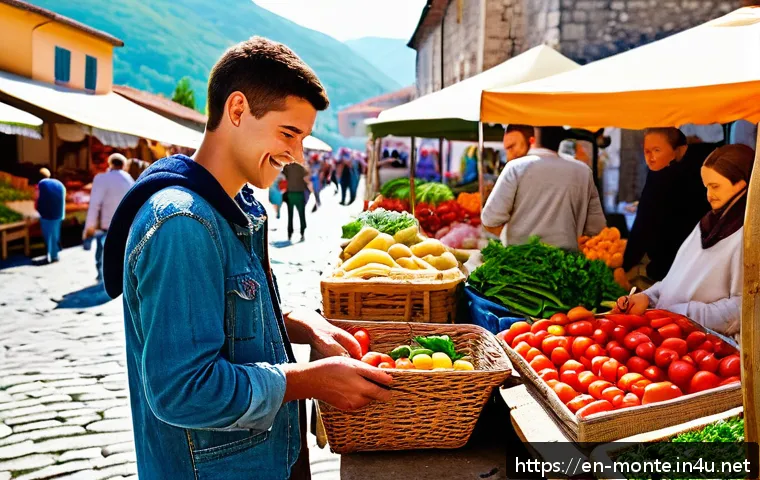
Knowing how to count in Montenegrin transforms your shopping experience. When you’re at an open-air market or a small shop, being able to ask “How much is this?” and understand the answer in numbers saves time and builds rapport.
For instance, if a vendor says “pet eura” (five euros), you’ll instantly recognize the price and respond accordingly. I remember feeling a sense of accomplishment when I successfully negotiated a price simply by using numbers confidently.
It’s a small skill that opens doors and shows respect for the culture.
Using Numbers for Directions and Transportation
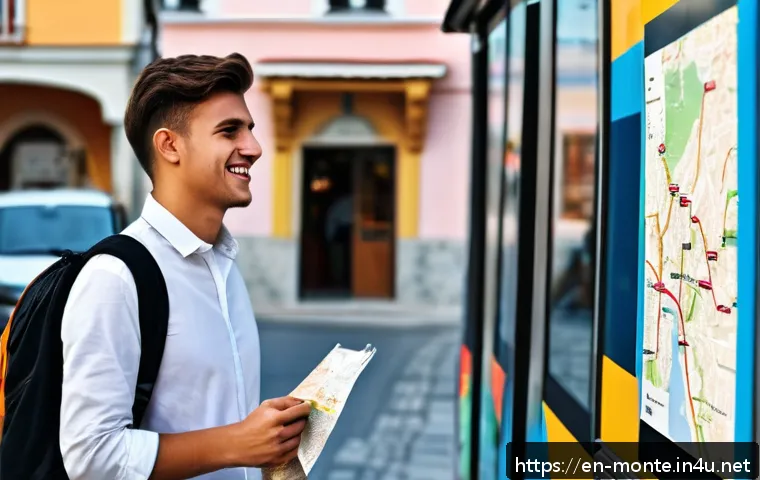
Numbers are crucial when navigating public transport or asking for directions. Bus numbers, ticket prices, and street addresses all rely on numerical understanding.
I often asked for the bus that goes to a certain street by number, and being able to repeat the bus number correctly made the exchange smooth. Also, when taxi drivers quote fares, recognizing numbers helps you avoid overpaying.
This practical use of numbers makes travel less stressful and more enjoyable.
Numbers in Social Settings and Making Friends
Surprisingly, numbers pop up in social contexts too, like talking about time, dates, or even sharing your phone number. Knowing how to say your phone number or ask for someone else’s is a great icebreaker.
I found locals appreciated when I made the effort to say numbers correctly, which sparked friendly conversations. It’s a simple way to connect beyond the usual tourist phrases and shows genuine interest in the language and culture.
Pronunciation Tips to Sound More Natural
Common Pronunciation Pitfalls
Montenegrin pronunciation can trip up even enthusiastic learners, especially with numbers that contain “j” or “č” sounds. For example, “jedan” (one) starts with a soft “ye” sound that might be unfamiliar.
I struggled with some of these early on but found that listening to native speakers and repeating phrases helped me adjust my mouth movements. Recording yourself and comparing can be surprisingly effective for catching subtle differences.
Listening to Native Speakers for Intonation
Numbers aren’t just about correct sounds; intonation plays a big role in making you sound natural. Montenegrin has a melodic quality, and numbers often have a specific stress pattern.
I used YouTube videos and language apps to hear how locals say numbers in everyday conversations. Mimicking the rhythm and stress made my speech flow better and helped me avoid sounding robotic.
Over time, this improved not just my numbers but my overall communication.
Practical Exercises to Improve Fluency
One of my favorite ways to practice was by creating mini-dialogues involving numbers, like ordering food or asking for prices. Speaking out loud and imagining real scenarios made the numbers stick.
Another tip is to pair numbers with gestures or visuals, such as pointing to items or showing fingers while counting. These multisensory methods enhance memory and make the learning process more engaging and less monotonous.
Essential Montenegrin Number Vocabulary at a Glance
| Number | Montenegrin | Pronunciation Guide |
|---|---|---|
| 1 | jedan | YEH-dahn |
| 2 | dva | dvah |
| 3 | tri | tree |
| 4 | četiri | CHEH-tee-ree |
| 5 | pet | pet |
| 10 | deset | DEH-set |
| 11 | jedanaest | yeh-dah-NAH-est |
| 20 | dvadeset | dva-DEH-set |
| 30 | trideset | tree-DEH-set |
| 100 | sto | stoh |
| 1000 | hiljada | heel-YAH-dah |
How Montenegrin Numbers Reflect Local Culture
Numbers in Festivals and Traditions
Numbers often play a role in Montenegrin customs, like counting guests during celebrations or marking important dates. For example, certain festivals involve rituals that repeat a set number of times, and knowing these numbers helps you understand and participate more fully.
I was invited to a local wedding where counting guests and toasts came up, and using the correct numbers made me feel part of the community rather than just an outsider.
The Role of Numbers in Montenegrin Folklore
Montenegrin stories and folklore sometimes use numbers symbolically. The number three, for instance, often appears in fairy tales and myths, symbolizing balance or magic.
Recognizing these references adds depth to your cultural experience. When locals share stories or jokes involving numbers, you’ll catch nuances that would otherwise slip by unnoticed.
This cultural layer made my learning journey richer and more rewarding.
Everyday Life and Number Usage
From setting tables to dividing food portions, numbers are woven into daily routines. Montenegrins often use numbers casually, like saying “five minutes” or “two cups of coffee,” and joining in these expressions helps you blend in.
I noticed that mastering numbers allowed me to follow conversations better and respond naturally, making everyday interactions more comfortable and fun.
It’s like unlocking a new level of communication that brings you closer to the heart of Montenegro.
In Conclusion
Learning Montenegrin numbers opens up countless opportunities for meaningful interaction and deeper cultural immersion. From simple shopping trips to making new friends, these basics empower you to communicate confidently. With consistent practice and real-life use, you’ll notice your skills improving naturally. Embrace the journey—it’s a rewarding way to connect with Montenegro’s vibrant culture and people.
Helpful Tips to Remember
1. Practice numbers daily by integrating them into your routine, such as counting objects or prices to build familiarity.
2. Listen actively to native speakers through videos or conversations to grasp correct pronunciation and intonation.
3. Use flashcards or visual aids paired with gestures to make memorization more engaging and effective.
4. Don’t hesitate to speak and make mistakes—locals appreciate your effort and often offer friendly corrections.
5. Connect numbers to cultural contexts like festivals, folklore, or everyday activities to deepen your understanding and enjoyment.
Key Points to Keep in Mind
Mastering Montenegrin numbers requires attention to gender agreement and pronunciation nuances, especially with complex forms like hundreds and thousands. Consistent exposure and practical use are essential to internalize patterns and reduce errors. Remember, numbers are not just linguistic tools but gateways to experiencing Montenegro’s culture authentically. Patience and persistence will make your learning journey smoother and more fulfilling.
Frequently Asked Questions (FAQ) 📖
Q: Why is it important to learn Montenegrin numbers before traveling there?
A: Learning Montenegrin numbers is incredibly useful because numbers pop up everywhere—from telling time and asking for prices to understanding addresses and phone numbers.
When you can count in the local language, it not only makes daily tasks easier but also shows respect for the culture, which locals really appreciate.
Plus, it can help you avoid misunderstandings in markets or taxis, making your trip smoother and more enjoyable.
Q: Are Montenegrin numbers similar to other Slavic languages?
A: Yes, Montenegrin numbers share similarities with other Slavic languages like Serbian, Croatian, and Bosnian, since they all come from the same linguistic family.
If you’ve studied any of these languages, you’ll notice familiar patterns and pronunciations. However, Montenegrin has its own unique accents and slight variations, so focusing on the local dialect will make you sound more natural and help you connect better with locals.
Q: What are some practical tips for memorizing Montenegrin numbers quickly?
A: From my experience, combining numbers with real-life situations works best. For example, practice ordering coffee by saying the price or counting items while shopping.
Using flashcards with audio helps nail pronunciation, and repeating numbers aloud daily builds muscle memory. Also, try to immerse yourself by listening to Montenegrin speakers, whether through videos or conversations, because hearing numbers in context makes them stick way faster than just rote memorization.