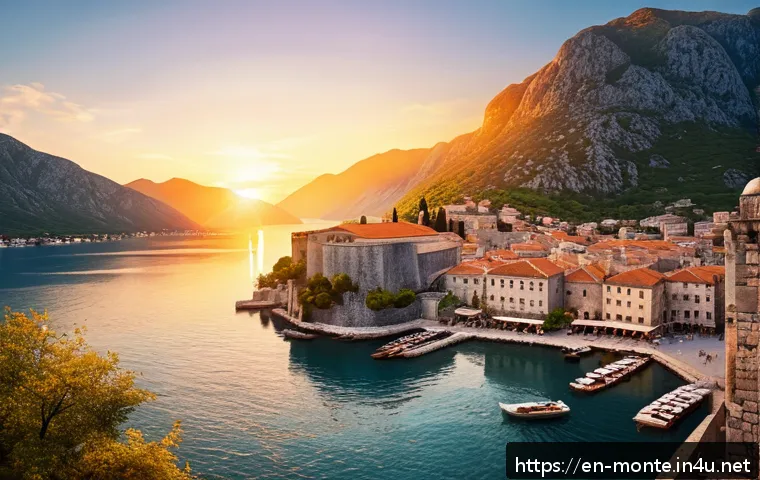
As travel enthusiasts eagerly seek off-the-beaten-path destinations, Montenegro emerges as a captivating blend of rich history, stunning nature, and breathtaking coastline.
Whether you’re craving ancient towns steeped in stories or serene beaches kissed by the Adriatic, this hidden gem offers it all. Over the next seven days, I’ll guide you through an unforgettable itinerary that captures Montenegro’s diverse charm.
From my own explorations, I’ve discovered how effortlessly this country combines adventure and relaxation, making every moment worth savoring. Ready to dive into a journey filled with culture, landscapes, and seaside magic?
Let’s get started!
Exploring Montenegro’s Timeless Coastal Towns
Discovering Kotor’s Medieval Charm
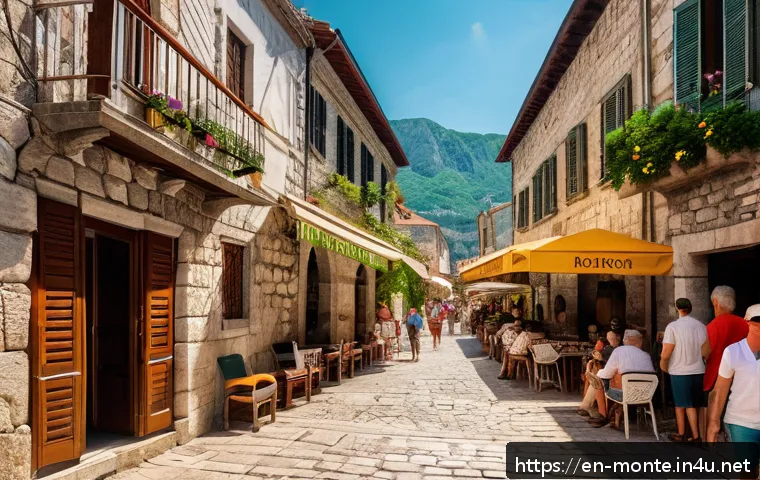
Walking through the narrow, cobblestone streets of Kotor feels like stepping into a living history book. The city’s ancient walls, fortified by Venetian architects centuries ago, create a dramatic backdrop that’s impossible to forget.
From my experience, climbing the fortress walls rewards you with panoramic views of the Bay of Kotor that will leave you breathless. As you wander, you’ll find charming cafes tucked away in hidden squares where locals share stories over strong coffee.
The Old Town’s blend of Gothic and Baroque architecture invites endless exploration, with every corner revealing centuries-old churches, quaint shops, and vibrant street life.
Perast’s Serene Island Escape
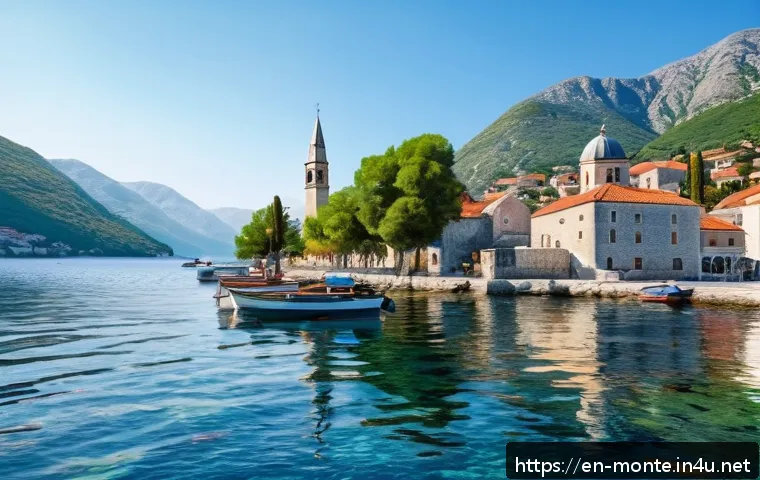
Just a short boat ride from Kotor lies Perast, a small town that feels like a secret kept by the Adriatic itself. What struck me most was the peaceful vibe, amplified by the stunning views of tiny islets dotted with historic chapels.
The highlight is a visit to Our Lady of the Rocks, a man-made island with a fascinating legend behind its creation. Spending a few hours here, soaking in the calm waters and the slow pace of life, felt like a perfect balance to the bustling energy of Kotor.
Perast’s waterfront restaurants serve fresh seafood that tastes like the sea itself—definitely a culinary highlight.
Budva’s Vibrant Beachside Energy
Budva offers a lively contrast to the quieter towns, with its beautiful beaches and buzzing nightlife. From my time there, I can say it’s the place to experience Montenegro’s youthful spirit.
The sandy shores are perfect for sunbathing or trying water sports, and the promenade fills up with music, street performers, and energetic crowds as the sun sets.
Budva’s Old Town is also worth exploring, with its medieval walls and picturesque harbor providing a charming atmosphere after dark. Whether you want to relax by the sea or dance the night away, Budva has something for every traveler.
Immersing in Montenegro’s Mountain Adventures
Hiking the Dramatic Trails of Durmitor National Park
If you’re craving fresh mountain air and stunning alpine scenery, Durmitor National Park is a must-visit. I found the hiking trails here to be some of the most rewarding in the Balkans, with routes ranging from gentle strolls to challenging climbs.
The highlight for me was reaching the peak of Bobotov Kuk, where the panoramic views of glacial lakes and rugged peaks were simply unforgettable. The park’s dense forests and deep canyons also offer excellent opportunities for wildlife spotting and photography.
It’s a place where adventure and tranquility coexist perfectly.
Rafting the Tara River Canyon
For a dose of adrenaline, rafting down the Tara River Canyon is an absolute thrill. Known as the deepest canyon in Europe, it carves through pristine wilderness that feels untouched by time.
My rafting trip was both exhilarating and awe-inspiring, with crystal-clear waters rushing past towering cliffs and lush greenery. Guides shared fascinating insights into the region’s ecosystem and history, adding depth to the experience.
Even if you’re not an adrenaline junkie, the scenic beauty alone makes this excursion worth every second.
Exploring Traditional Mountain Villages
Beyond the national parks, Montenegro’s mountain villages offer a glimpse into authentic rural life. Places like Žabljak and Kolasin charmed me with their rustic wooden houses, hearty local cuisine, and warm hospitality.
These villages are ideal spots to unwind after outdoor adventures, enjoying homemade cheese, fresh bread, and strong mountain tea by the fire. The slower pace and genuine friendliness of the locals made these visits feel like stepping into a simpler, more connected way of living.
Culinary Journeys through Montenegrin Flavors
Sampling Coastal Seafood Delicacies
One of the best parts of traveling in Montenegro is indulging in its fresh seafood. Along the coast, I found that every meal was a celebration of the Adriatic’s bounty.
Grilled fish, calamari, and mussels served with a squeeze of lemon and a drizzle of local olive oil became daily staples. In seaside taverns, the combination of stunning views and expertly prepared dishes made dining an unforgettable experience.
Don’t miss trying black risotto, a regional specialty that’s as rich in flavor as it is in history.
Tasting Mountain-Inspired Comfort Foods
In the highlands, the cuisine shifts to hearty, rustic dishes designed to fuel outdoor adventures. I particularly enjoyed trying cicvara, a creamy cornmeal dish mixed with cheese and butter that tastes like pure comfort.
Lamb and pork dishes slow-cooked with herbs are common, often paired with locally produced wines. These meals are a true reflection of Montenegro’s pastoral traditions, highlighting the country’s deep connection to its land and livestock.
Exploring Local Markets and Artisan Products
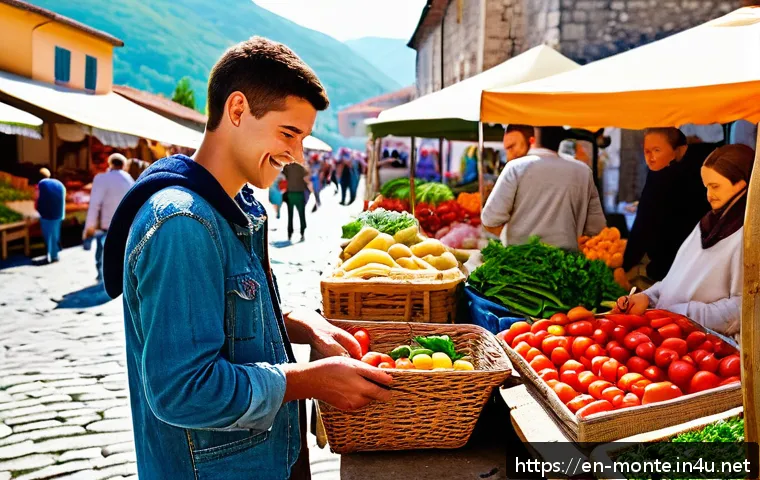
Venturing into local markets gave me a real taste of Montenegro’s vibrant food culture. From fresh fruits and vegetables to homemade jams and cheeses, the markets are treasure troves of authentic flavors.
I loved chatting with vendors who shared stories behind their products, making each purchase feel personal and meaningful. Bringing home some of these artisan goods—like smoked ham or honey infused with mountain herbs—became a way to extend the journey beyond the trip itself.
Unwinding in Montenegro’s Hidden Natural Retreats
Soaking in the Peace of Skadar Lake
Skadar Lake is a true sanctuary for nature lovers and bird watchers. My visit here was a peaceful escape into a world of wetlands, ancient monasteries, and quiet fishing villages.
The lake’s calm waters, dotted with floating islands, create a serene atmosphere perfect for kayaking or leisurely boat rides. Watching the sunset over the lake, with flocks of pelicans gliding by, felt like a moment suspended in time.
This hidden gem offers a unique blend of natural beauty and cultural heritage.
Relaxing in the Thermal Springs of Igalo
For those seeking wellness and rejuvenation, the spa town of Igalo delivers with its natural thermal springs. I found the mineral-rich waters incredibly soothing after days of hiking and exploring.
The local wellness centers offer a range of treatments, from mud baths to massages, all designed to promote relaxation and healing. Combining these therapies with peaceful seaside strolls creates a holistic experience that truly refreshes both body and mind.
Discovering Quiet Beaches off the Tourist Radar
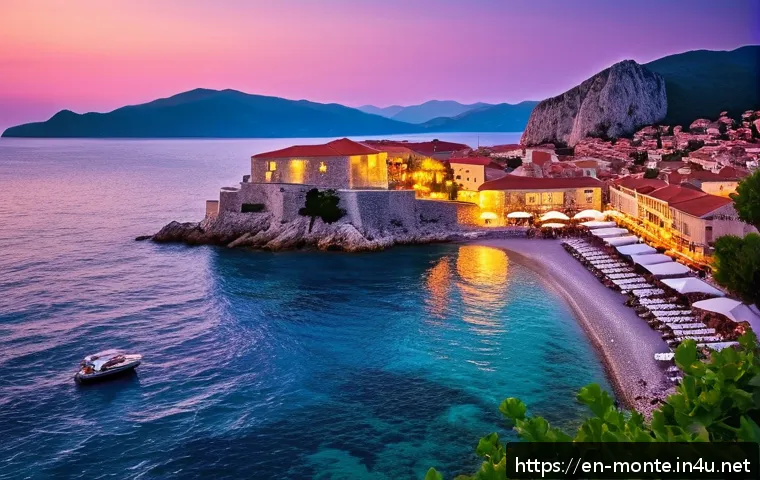
While Montenegro’s popular beaches can get busy, there are plenty of secluded spots where you can unwind in solitude. I stumbled upon hidden coves and pebble beaches accessible only by foot or boat, where the only sounds were waves gently lapping against the shore.
These tranquil places provided perfect moments for reflection, reading, or simply soaking up the sun without distractions. They reminded me that sometimes the best travel experiences come from stepping away from the crowds.
Understanding Montenegro’s Rich Cultural Mosaic
Visiting Historic Religious Sites
Montenegro’s cultural landscape is deeply intertwined with its religious heritage. Exploring Orthodox monasteries, Catholic churches, and mosques revealed layers of history and faith that coexist peacefully.
One of my most memorable visits was to the Ostrog Monastery, carved into a vertical cliff and attracting pilgrims from all over the Balkans. The peaceful atmosphere and stunning architecture offer insight into the spiritual heart of the country, making it a must-see for culturally curious travelers.
Experiencing Traditional Festivals and Music
If your timing is right, catching a local festival is one of the best ways to connect with Montenegro’s vibrant culture. From lively folk music performances to colorful parades, these events showcase the country’s traditions in full swing.
I was fortunate to attend a summer festival where traditional dances and costumes brought the streets to life, creating a joyful and immersive experience.
These moments of celebration highlight Montenegro’s deep-rooted sense of community and pride.
Exploring Museums and Galleries
To deepen my understanding of Montenegro’s history and art, I visited several museums and galleries scattered across the country. The Maritime Museum in Kotor offers fascinating insights into the region’s seafaring past, while contemporary galleries in Podgorica showcase the creativity of modern Montenegrin artists.
These cultural institutions provide context to the landscapes and people you encounter, enriching your journey with knowledge and inspiration.
| Destination | Highlight | Best Time to Visit | Suggested Activity |
|---|---|---|---|
| Kotor | Medieval Old Town and Fortress | May to September | Climb fortress walls, explore cafes |
| Durmitor National Park | Alpine hiking and glacial lakes | June to September | Hike Bobotov Kuk, wildlife spotting |
| Skadar Lake | Bird watching and kayaking | April to October | Boat tours, nature photography |
| Budva | Beaches and nightlife | June to August | Beach lounging, clubbing |
| Igalo | Thermal springs and wellness | Year-round | Spa treatments, relaxation |
Practical Tips for Navigating Montenegro Like a Local
Getting Around Efficiently
Navigating Montenegro’s diverse landscapes requires a bit of planning, but it’s easier than you might expect. From my experience, renting a car gives you the flexibility to explore hidden gems at your own pace, especially in mountainous and rural areas where public transport is limited.
Buses connect major towns and coastal spots reliably, and taxis are reasonably priced for shorter trips. If you want to soak in the views, consider coastal ferry rides that link key seaside towns, offering a scenic alternative to road travel.
Language and Communication
While Montenegrin is the official language, English is widely spoken in tourist areas, which made my interactions smooth and enjoyable. Locals are friendly and appreciate even basic attempts to speak their language, so learning a few simple phrases like “hvala” (thank you) can go a long way.
Most signs and menus are available in English, but having a translation app handy can help in more remote spots. Overall, communication felt warm and welcoming throughout my travels.
Currency and Payments
Montenegro uses the Euro (€) as its currency, which is convenient for many European travelers. I found cash is king in smaller villages and markets, so it’s wise to carry some euros on hand.
However, credit and debit cards are widely accepted in hotels, restaurants, and shops in urban and tourist areas. ATMs are plentiful in towns but may be scarce in remote locations, so planning ahead saved me any hassle.
Keeping a small amount of local currency ensures smooth transactions everywhere.
Unique Experiences to Enhance Your Montenegrin Adventure
Sunrise at Lovćen National Park
I woke up early one morning to catch the sunrise at Lovćen National Park, and it was a magical experience. The climb up to the Njegoš Mausoleum was invigorating, and watching the sun paint the mountains and coastline in warm hues felt like a reward beyond words.
This spot offers one of the best panoramic views in the country, making the early start totally worth it. The peaceful atmosphere and fresh mountain air create a moment of connection with nature that stays with you long after.
Wine Tasting in the Countryside
Exploring Montenegro’s emerging wine scene was a delightful surprise during my trip. I visited family-run vineyards where I tasted indigenous grape varieties like Vranac, accompanied by homemade snacks and heartfelt stories from the winemakers.
These intimate tastings gave me insight into the country’s agricultural heritage and a chance to savor flavors unique to the region. It’s an experience that adds depth and richness to any itinerary.
Nighttime Strolls Along the Coast
Montenegro’s coastline takes on a different charm after dark. I often ended my days with leisurely walks along illuminated promenades, where the gentle sound of waves mingled with distant music from seaside bars.
The air was filled with a soft salty breeze, and the twinkling lights of boats and towns created a cozy, almost romantic ambiance. These quiet moments by the sea offered a perfect way to reflect on the day’s adventures and soak up the country’s enchanting spirit.
Conclusion
Montenegro offers an unforgettable blend of history, nature, culture, and cuisine that captivates every traveler. Whether wandering through ancient coastal towns, hiking majestic mountains, or savoring local flavors, each experience reveals the country’s unique charm. This journey not only refreshes the body but also enriches the soul with lasting memories. Embracing Montenegro means discovering a place where timeless traditions meet vibrant modern life.
Helpful Information
1. The best time to visit coastal towns like Kotor and Budva is between May and September, when the weather is warm and lively events are abundant.
2. Renting a car is highly recommended for exploring remote mountain villages and national parks, offering flexibility beyond public transport.
3. Carry some euros in cash, especially when visiting rural markets or small towns where card payments may not be accepted.
4. Learning a few basic Montenegrin phrases such as “hvala” (thank you) enhances interactions with locals and shows cultural respect.
5. Booking guided tours for activities like rafting or vineyard visits can deepen your understanding and enjoyment of Montenegro’s natural and cultural treasures.
Key Takeaways
Montenegro is a destination where diverse experiences blend seamlessly—from medieval architecture and lively festivals to serene nature and authentic cuisine. Planning ahead for transportation and local customs ensures a smooth trip. Engaging with locals and embracing the slower pace in mountain villages enriches your journey. Lastly, balancing adventure with relaxation allows you to fully appreciate the country’s stunning landscapes and warm hospitality.
Frequently Asked Questions (FAQ) 📖
Q: What is the best time of year to visit Montenegro for both sightseeing and beach activities?
A: From my experience, late spring (May to June) and early autumn (September to October) are perfect for visiting Montenegro. During these months, the weather is pleasantly warm without the intense summer heat, making it ideal for exploring historic towns like Kotor and Budva as well as enjoying the Adriatic beaches.
Plus, the crowds are thinner compared to peak summer, so you get a more authentic, relaxed vibe.
Q: How easy is it to get around Montenegro, and what transportation options do you recommend?
A: Montenegro is surprisingly easy to navigate, especially if you rent a car. I found driving gave me the freedom to explore hidden spots off the beaten path, like the Durmitor National Park or the stunning Bay of Kotor.
Public buses connect major towns, but schedules can be limited and less flexible. For a stress-free trip, renting a car offers the best mix of convenience and adventure.
Q: Are there any must-try local foods or drinks that capture Montenegro’s culture?
A: Absolutely! While traveling around Montenegro, I fell in love with dishes like Njeguški pršut (smoked ham) and fresh seafood grilled right by the coast.
Don’t miss tasting local cheeses paired with homemade rakija—a traditional fruit brandy that locals take pride in. Sampling these authentic flavors really brought the culture to life and made the journey even more memorable.