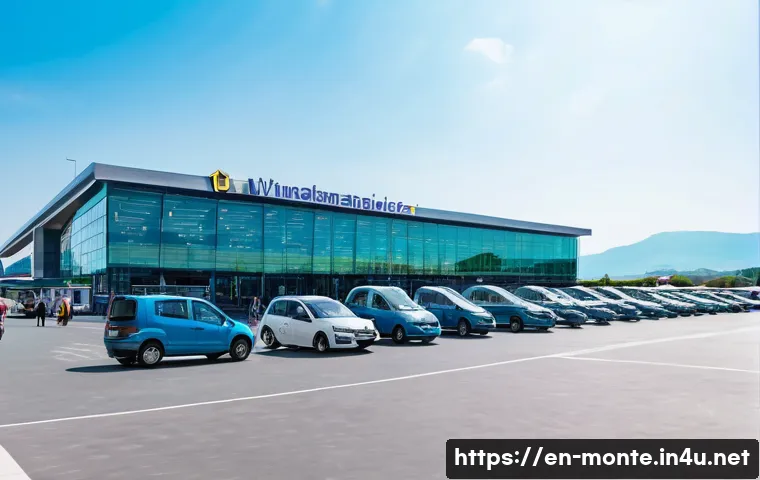
Traveling through Europe is an exciting adventure, and Montenegro offers a unique gateway to explore the continent’s diverse cultures and landscapes. Whether you’re arriving by air, road, or sea, navigating from Montenegro to other European destinations can be surprisingly straightforward with the right tips.
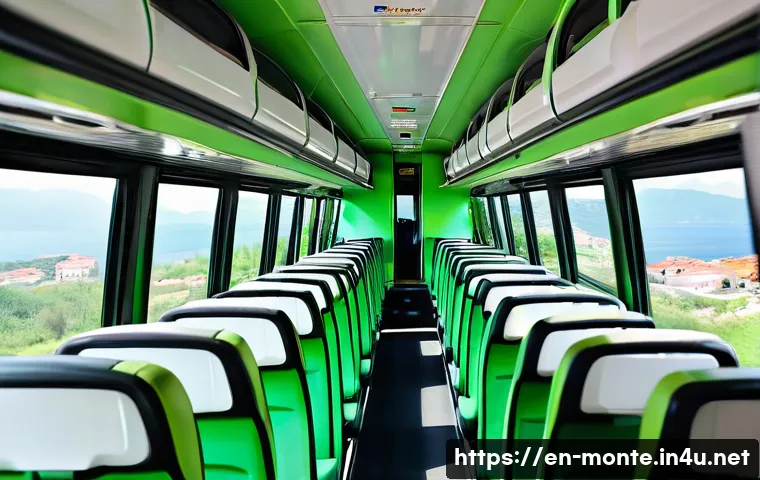
From scenic bus routes to convenient flights, each option has its own charm and efficiency. If you’re curious about how to make the most of your European journey starting in Montenegro, you’re in the right place.
Let’s dive into the best ways to travel around Europe from Montenegro and uncover insider advice to plan your trip smoothly. I’ll guide you through everything you need to know!
Exploring Europe by Air: Quick Connections from Montenegro
Convenient Airports and Airlines Serving Montenegro
Montenegro’s main international airport, Podgorica Airport, serves as a vital hub for reaching many European cities. Additionally, Tivat Airport is popular, especially during the summer, as it caters to the coastal region’s influx of tourists.
Airlines like Ryanair, Wizz Air, and Air Serbia offer budget-friendly flights connecting Montenegro to places such as Belgrade, Vienna, Rome, and Budapest.
From my own experience, booking flights early can snag you great deals, and the short flight times make air travel an efficient choice when you want to maximize your time exploring rather than commuting.
Tips for Navigating Airport Transfers and Flights
Podgorica Airport is about 15 minutes from the city center, making airport transfers quick and stress-free. Taxi services and shuttle buses run regularly, but if you prefer a more relaxed pace, pre-booking a private transfer can save time and avoid last-minute hassle.
Flights from Montenegro to European capitals typically take between 1 to 2 hours, allowing you to hop between cities with ease. However, keep in mind seasonal changes; summer tends to have more direct routes due to tourist demand, while winter schedules might be more limited.
My advice is to check flight availability ahead of your trip and consider flexible tickets in case your plans shift.
How to Score the Best Deals on Flights
If you’re budget-conscious, signing up for airline newsletters or fare alerts can alert you to flash sales and promotions. I’ve found that mid-week flight bookings usually offer better prices than weekend ones.
Moreover, flying out of Tivat can sometimes be cheaper during high season because of the increased competition among low-cost carriers. Don’t forget to factor in luggage fees and airport transfer costs when comparing prices.
Using apps like Skyscanner or Google Flights is a reliable way to monitor and compare fares, ensuring you get the best bang for your buck.
Bus Travel: Scenic and Budget-Friendly Routes Across Borders
Popular International Bus Lines Leaving Montenegro
Bus travel is a fantastic way to soak in the landscapes between Montenegro and neighboring countries such as Croatia, Serbia, Bosnia and Herzegovina, and Albania.
Companies like FlixBus and local operators provide regular services connecting cities like Podgorica, Budva, and Kotor to destinations such as Dubrovnik, Belgrade, and Sarajevo.
From personal experience, buses here are comfortable and often equipped with Wi-Fi, making longer journeys more pleasant. Plus, they’re significantly cheaper than flying, which is a big bonus if you’re traveling on a tight budget.
Crossing Borders by Bus: What to Expect
When traveling by bus across European borders from Montenegro, expect border checks which can sometimes add extra time to your journey, especially during peak tourist seasons.
Passport control is usually straightforward, but it’s good to have all your documents ready and know the visa requirements for each country you plan to visit.
I once encountered a 30-minute delay crossing into Croatia during summer, but the views of the Adriatic coastline from the window made it worthwhile. Patience is key, and bringing snacks and entertainment helps pass the time comfortably.
Booking and Planning Your Bus Trips
Booking bus tickets online in advance is generally recommended, especially in summer when demand spikes. Many companies have user-friendly websites or apps where you can check schedules, routes, and prices.
For spontaneous travelers, bus stations in major cities like Podgorica and Budva have ticket counters with friendly staff who can assist in English. It’s also wise to arrive at the bus station early to secure good seats, particularly on popular routes.
A handy tip from my trips: always confirm the bus stop location in your destination city to avoid confusion upon arrival.
Train Travel: Limited but Scenic Options
Current Train Routes and Connections
Train travel in Montenegro is somewhat limited compared to its neighbors, but there are still some charming routes worth exploring. The line from Bar to Belgrade is one of the most scenic, winding through mountains and along the Adriatic coast.
Although slower than buses or planes, the train offers a relaxed way to see the countryside. From personal experience, this route is ideal if you’re not in a rush and enjoy leisurely travel with beautiful views outside your window.
Why Train Travel Might Suit You
If you’re after a more comfortable and eco-friendly mode of transport, trains are a good option. The spacious carriages allow you to move around freely, and the slow pace lets you soak in the atmosphere of rural Montenegro and Serbia.
I recall striking up conversations with locals onboard, which added an authentic cultural layer to my journey. However, be prepared for fewer daily departures and sometimes outdated facilities.
Booking tickets in advance is advisable as trains can fill up during holidays.
Planning Train Journeys Beyond Montenegro
Since Montenegro’s rail network is limited, connecting to broader European train systems often requires a transfer in Serbia or Croatia. From Belgrade, for example, you can access high-speed trains to Budapest, Vienna, or even further west.
Planning these multi-leg trips can be challenging, but websites like Eurail and Rail Europe provide comprehensive timetables and booking options. Based on my experience, combining train travel with occasional flights or buses creates an excellent balance between adventure and efficiency.
Driving Yourself: Freedom on Four Wheels
Car Rental Options and Road Conditions
Renting a car in Montenegro opens up incredible flexibility for exploring Europe at your own pace. Numerous rental agencies operate in Podgorica and Tivat, ranging from international brands to local providers.
Montenegro’s roads are generally in good condition, especially the main highways connecting to neighboring countries. However, mountain roads can be narrow and winding, so driving experience and caution are important.
I personally enjoyed driving along the Bay of Kotor, where the views were breathtaking and the stops spontaneous.
Cross-Border Driving Tips and Regulations
If you plan to drive from Montenegro into other European countries, make sure your rental agreement allows cross-border travel. You’ll also need to carry your passport, driver’s license (an International Driving Permit may be required), and vehicle documents.
Be aware of toll roads and differing traffic laws; for instance, some countries require vignettes (road tax stickers) to use highways. When I drove from Montenegro to Croatia, I found it helpful to research each country’s rules beforehand to avoid surprises at border crossings.
Advantages of Self-Driving for European Exploration
Driving gives you the freedom to explore off-the-beaten-path destinations that are harder to reach by public transport. You can stop whenever you want, discover hidden gems, and carry as much luggage as you need without extra fees.
From my trips, the ability to detour to small villages or scenic viewpoints made the journey more memorable. Plus, driving in less crowded seasons means you often have the roads almost to yourself, enhancing the sense of adventure.
Ferry and Coastal Routes: A Different Perspective
Ferries Connecting Montenegro with Italy and Beyond
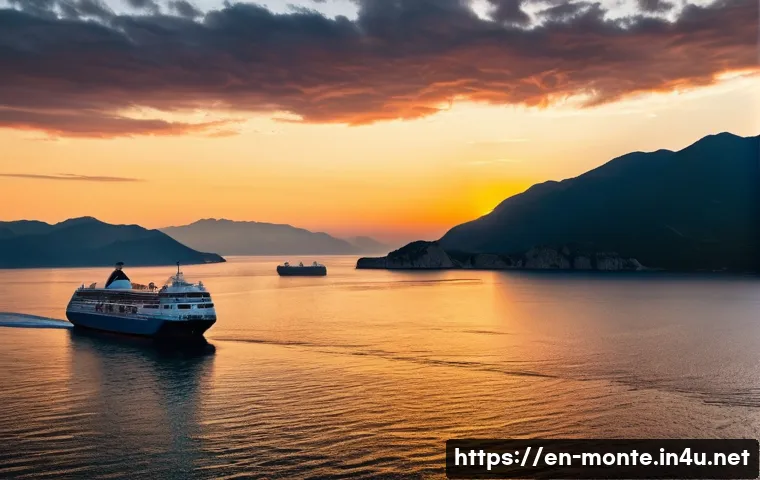
Montenegro’s Adriatic coast offers ferry connections to Italy, providing a unique sea route into Europe. Ferries from Bar to Bari or Ancona can be a relaxing alternative to flying or driving, especially if you enjoy traveling on water.
These ferries often allow vehicles onboard, making it convenient for those combining driving with sea travel. Having taken this route myself, I can vouch for the peaceful overnight crossings and the chance to watch the sunset over the sea while sailing toward Italy.
Using Coastal Ferries for Island Hopping
Besides international ferries, local boats connect Montenegro’s coastal towns and nearby islands. This is a wonderful way to explore the Adriatic’s natural beauty, with stops in places like Herceg Novi, Kotor, and the Bay of Kotor islands.
These routes are especially popular during summer and offer a refreshing break from land travel. I recommend packing light and preparing for variable schedules, as smaller boats can be affected by weather conditions.
Planning Ferry Trips: What You Should Know
Ferry schedules may vary by season, with more frequent crossings in summer and reduced services in winter. Booking tickets in advance is often necessary for international ferries, while local boats may allow for last-minute boarding.
When I traveled on the Bar-Bari ferry, I found the onboard amenities comfortable, with options for cabins, dining, and lounges. It’s a good idea to check the ferry company’s website for up-to-date information on routes, prices, and travel times to avoid surprises.
Comparing Travel Options: A Quick Overview
| Travel Mode | Main Advantages | Typical Duration | Approximate Cost Range | Best For |
|---|---|---|---|---|
| Air Travel | Fastest, many direct routes, convenient for long distances | 1-2 hours (to major cities) | $30-$150 (one-way) | Time-sensitive travelers, long-distance hops |
| Bus | Budget-friendly, scenic, extensive regional coverage | 3-8 hours (depending on destination) | $10-$40 | Budget travelers, flexible schedules |
| Train | Comfortable, scenic routes, eco-friendly | 5-10 hours (including transfers) | $20-$60 | Leisurely travelers, train enthusiasts |
| Car Rental | Flexible, access to remote areas, personalized itinerary | Varies by route | $30-$80 per day | Adventurers, small groups |
| Ferry | Relaxing, coastal views, unique travel experience | 8-12 hours (international) | $40-$100 | Sea lovers, combined vehicle travel |
Wrapping Up
Traveling through Europe from Montenegro offers a variety of options, each with its own charm and benefits. Whether you prefer the speed of air travel, the scenic routes of buses and trains, the freedom of driving, or the unique experience of ferries, Montenegro serves as a convenient gateway. Planning ahead and considering your priorities will ensure a smooth and enjoyable journey. From my experiences, mixing different modes of transport adds richness to your European adventure.
Useful Tips to Remember
1. Book flights and bus tickets early, especially during peak seasons, to secure the best prices and seats.
2. Always check visa requirements and have your documents ready when crossing borders to avoid delays.
3. Consider flexible tickets and travel insurance for unexpected changes in your itinerary.
4. Use trusted apps like Skyscanner and Eurail for comparing prices and planning complex routes efficiently.
5. When renting a car, confirm cross-border permissions and familiarize yourself with local driving rules to stay safe and avoid fines.
Key Takeaways for Smooth Travel
Choosing the right travel mode depends on your time, budget, and personal preferences. Air travel is unbeatable for speed but can be pricier, while buses and trains offer budget-friendly and scenic alternatives. Driving provides unmatched flexibility but requires careful preparation for border crossings and road conditions. Ferries add a relaxing and picturesque dimension, especially for coastal routes. Preparing in advance, staying informed about seasonal schedules, and packing essentials for comfort will make your European journey from Montenegro seamless and memorable.
Frequently Asked Questions (FAQ) 📖
Q: What are the most convenient ways to travel from Montenegro to other European countries?
A: The easiest and most popular ways to travel from Montenegro to other parts of Europe are by plane, bus, and car. Podgorica and Tivat airports offer flights to major hubs like Belgrade, Vienna, and Rome, making air travel fast and efficient.
For those who prefer scenic routes, buses connect Montenegro to neighboring countries such as Croatia, Serbia, and Bosnia, providing a budget-friendly option with beautiful views along the way.
Renting a car is also a fantastic choice if you want flexibility and the freedom to explore less accessible spots at your own pace.
Q: How long does it typically take to travel from Montenegro to nearby European destinations?
A: Travel times vary depending on your mode of transportation and destination. Flights from Podgorica to cities like Belgrade or Vienna usually take about 1 to 2 hours, which is ideal for saving time.
Buses to nearby countries can range from 3 to 8 hours—for example, reaching Dubrovnik in Croatia takes around 3 hours by bus, while traveling to Belgrade might take closer to 6 hours.
Driving times depend on your route but expect similar durations to buses, with the added benefit of stopping whenever you want.
Q: Are there any tips for making cross-border travel from Montenegro smoother?
A: Absolutely! First, always check visa requirements for the countries you plan to visit—Montenegro is not part of the EU, so border checks can take time.
Have your passport and any necessary documents ready. Booking tickets in advance, especially during peak tourist season, can save you from last-minute stress and higher prices.
If traveling by bus, bring some local currency for snacks or small fees, as card payments aren’t always accepted. Lastly, try to travel early in the day to avoid crowded border crossings and enjoy a more relaxed journey.