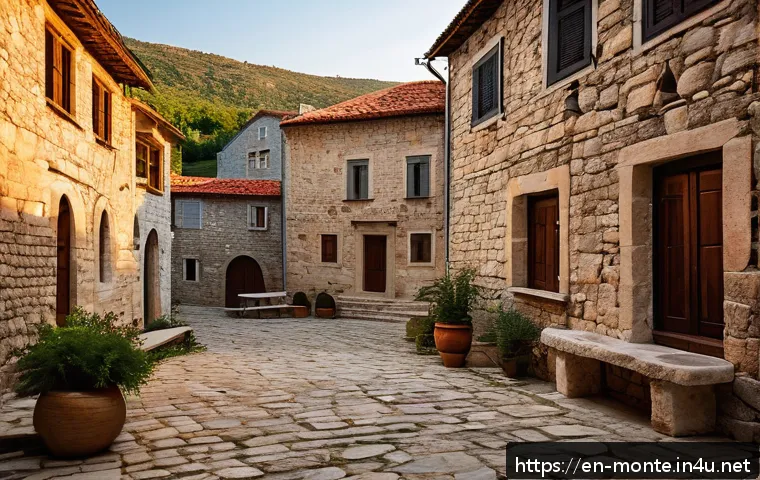
Montenegro’s traditional architecture offers a captivating glimpse into a world where stone and history intertwine seamlessly. As travelers seek authentic experiences beyond the usual tourist paths, this hidden gem invites you to explore timeless villages and ancient craftsmanship.
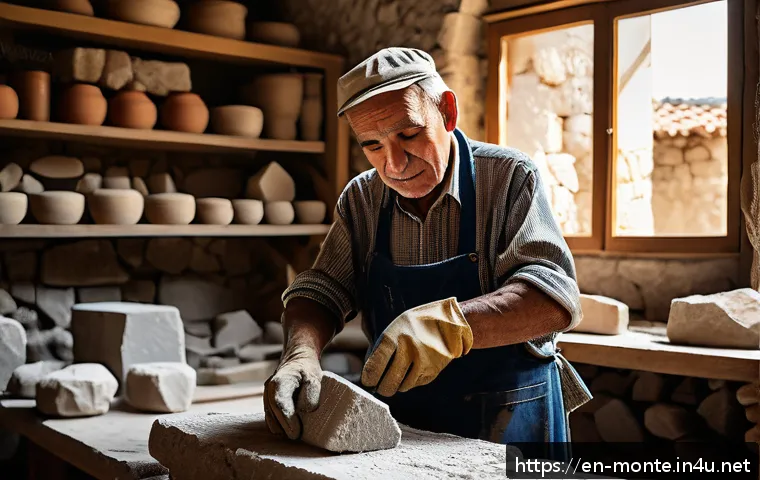
With recent efforts to preserve cultural heritage gaining momentum, now is the perfect time to dive into Montenegro’s architectural treasures. Join me as we uncover the stories etched in every stone wall and discover why these enduring structures continue to inspire awe today.
This journey promises not just sights, but a deep connection to the past that shapes the present.
Stone Craftsmanship and Enduring Techniques
The Art of Dry Stone Masonry
Dry stone masonry is a hallmark of Montenegro’s rural architecture, where builders expertly stack stones without mortar, relying on the precise fit and balance of each piece.
This technique, passed down through generations, creates structures resilient to seismic activity and harsh weather. Walking through these villages, you can’t help but admire how every stone seems intentionally placed, embodying both utility and artistry.
The tactile roughness of the walls invites you to touch history itself, feeling the craftsmanship that stood the test of centuries.
Using Local Materials for Sustainability
One of the most fascinating aspects is the use of locally sourced limestone and sandstone, which not only blends the buildings seamlessly into the surrounding landscape but also ensures sustainability.
These materials have natural insulating properties, keeping homes cool in summer and warm in winter. This practical approach to architecture reveals a deep understanding of the environment, which modern eco-conscious building trends are only now beginning to embrace.
Experiencing these homes firsthand gives you a new appreciation for ancient wisdom in sustainable living.
The Role of Traditional Workshops Today
Traditional stone workshops still operate in some Montenegrin villages, where artisans continue to carve and shape stones by hand. Visiting these workshops, you witness a rare blend of patience, skill, and passion that machines cannot replicate.
The continuation of these crafts is vital for cultural preservation, and supporting these artisans helps keep the tradition alive. I found chatting with a local craftsman particularly inspiring—he shared stories about his family’s lineage of stonemasons, connecting me directly to the living heritage behind every structure.
Architectural Styles Shaped by History
Medieval Influences in Village Layouts
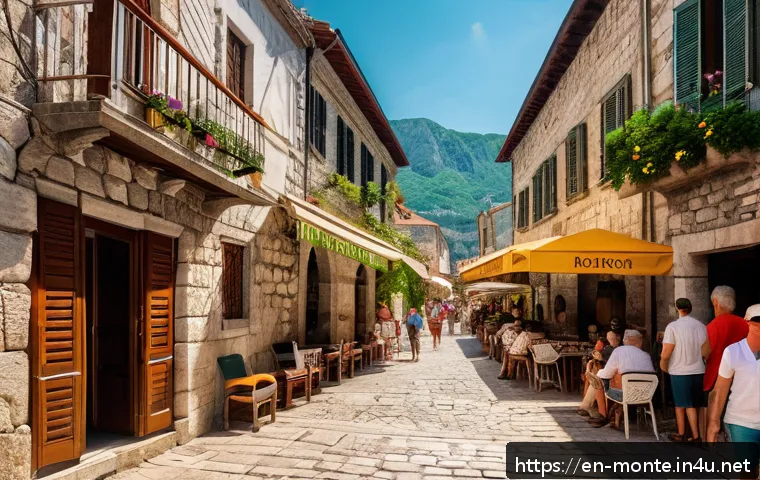
Many traditional villages in Montenegro reveal layouts influenced by medieval defensive needs. Narrow, winding streets and clustered stone houses were designed to protect inhabitants from invaders and harsh weather alike.
This organic street pattern creates an intimate atmosphere, encouraging neighborly interaction and a slower pace of life. As I wandered through these alleys, I felt transported back in time, imagining the lives of villagers centuries ago who adapted their homes for both comfort and security.
Ottoman and Venetian Architectural Legacies
Montenegro’s position at the crossroads of empires left a rich architectural mosaic. Ottoman touches appear in courtyard designs and intricate wooden balconies, while Venetian influences show in window styles and decorative stonework.
This blend creates a unique aesthetic that is neither fully Eastern nor Western but distinctly Montenegrin. Exploring these hybrid styles helps you understand the complex cultural narratives woven into the stone and wood of each building.
Religious Structures as Cultural Anchors
Churches and monasteries scattered throughout Montenegro stand as testaments to the region’s spiritual and artistic history. These stone edifices often feature frescoes and iconography preserved through careful restoration efforts.
Visiting these sacred sites offers a quiet moment of reflection and a glimpse into the role of faith in shaping communal identity. The craftsmanship in these religious buildings often surpasses that of ordinary homes, showcasing the highest level of artisanship and devotion.
Preservation Efforts and Modern Adaptations
Government and Community Initiatives
In recent years, Montenegro has stepped up efforts to safeguard its architectural heritage. Government programs work alongside local communities to restore crumbling stone houses and protect historic village layouts from modern overdevelopment.
These initiatives focus not only on preservation but also on promoting sustainable tourism that benefits residents without compromising authenticity. During my visit, I noticed how revitalized public spaces and informative signage enhance the visitor experience while respecting local traditions.
Balancing Tradition with Contemporary Living
One challenge is integrating modern amenities into ancient stone homes without altering their character. Many homeowners have successfully incorporated plumbing, heating, and electricity discreetly, ensuring comfort without sacrificing the historic ambiance.
This delicate balance requires both technical knowledge and respect for heritage. I stayed in a renovated stone guesthouse where the warmth of a modern fireplace blended effortlessly with centuries-old walls, creating a cozy yet timeless atmosphere.
Crafting New Stories from Old Stones
The ongoing preservation of Montenegro’s traditional architecture is not just about looking back; it’s about forging a living connection between past and present.
New generations of architects and designers draw inspiration from old techniques and styles, adapting them to contemporary needs. This creative dialogue enriches Montenegro’s cultural landscape and offers travelers a dynamic experience.
Witnessing this evolution firsthand gave me hope that these treasured structures will continue to inspire for many years to come.
Symbolism Embedded in Architectural Details
Decorative Stone Carvings and Their Meanings
Many stone houses feature intricate carvings that go beyond mere decoration. Symbols like the sun, moon, and local flora are often carved into lintels and doorframes, believed to bring protection and prosperity.
These motifs reflect a deep connection to nature and folklore, revealing the spiritual dimension of traditional architecture. I found myself stopping to admire these subtle details, each telling a story or conveying a blessing passed down through generations.
Wooden Elements as Contrasts to Stone
Balconies, window shutters, and door frames crafted from wood add warmth and texture to the stone facades. These elements often feature delicate carvings or painted patterns, contrasting the solidity of stone with the softness of natural timber.
The combination creates a visually harmonious balance that feels both sturdy and inviting. Experiencing this contrast up close helped me appreciate the thoughtful design choices that make these homes uniquely charming.
The Role of Color and Texture
Though stone dominates, the interplay of colors and textures in traditional Montenegrin architecture is striking. Weathered gray stones pair with the rich browns of aged wood and the occasional splash of muted paint on shutters or doors.
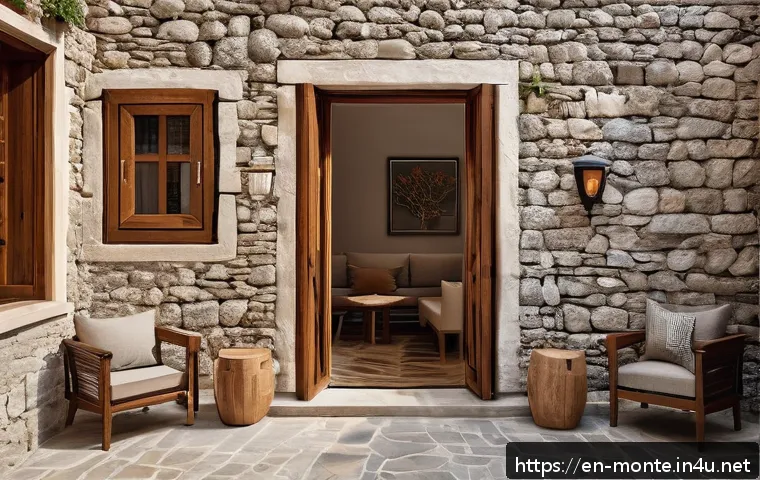
This palette reflects the environment and the passage of time, evoking a sense of place that is both rugged and refined. Walking through these villages, you can almost feel the stories absorbed by every surface, creating a living tapestry of history.
Village Life Anchored by Architecture
Community Spaces and Social Interaction
Traditional Montenegrin villages are designed around communal spaces such as squares and fountains, where stone benches invite neighbors to gather and share stories.
These social hubs foster a strong sense of belonging and mutual support. I was struck by how architecture shapes daily life here—not just providing shelter but nurturing relationships and cultural continuity.
Spending time in these spaces gave me a glimpse into the rhythms of village life that remain vibrant despite modern changes.
Seasonal Adaptations and Architectural Responses
The design of homes and public areas reflects seasonal needs, with thick stone walls providing insulation during cold winters and shaded courtyards offering relief in hot summers.
Roof shapes and window placements are optimized for ventilation and sunlight control. This responsiveness to climate highlights the ingenuity of traditional builders who lived in harmony with nature.
Experiencing these adaptations firsthand made me realize how much modern architecture can learn from these time-tested solutions.
Preserving Intangible Heritage Alongside Buildings
Architecture is inseparable from the customs, festivals, and crafts that thrive within these villages. Efforts to preserve stone houses go hand in hand with safeguarding oral traditions, music, and culinary practices.
This holistic approach ensures that visiting Montenegro’s villages is not just about admiring stone walls but immersing oneself in a living culture. I was fortunate to join a local celebration where the interplay between place and tradition came alive, deepening my connection to this remarkable heritage.
| Aspect | Description | Impact |
|---|---|---|
| Dry Stone Masonry | Stacking stones without mortar using precise fitting | Durability, earthquake resistance, aesthetic appeal |
| Local Stone Materials | Limestone and sandstone sourced nearby | Environmental harmony, insulation, sustainability |
| Medieval Village Layouts | Narrow streets and clustered homes for defense | Community intimacy, historical preservation |
| Ottoman and Venetian Influences | Architectural features from historical empires | Unique aesthetic blend, cultural richness |
| Preservation Initiatives | Government and community restoration projects | Heritage protection, sustainable tourism |
| Modern Adaptations | Integrating amenities into historic homes | Comfort without loss of authenticity |
| Symbolic Carvings | Decorative motifs with cultural meanings | Spiritual connection, storytelling |
The Emotional Connection to Place
Feeling the Weight of History
Walking through Montenegro’s stone villages, I felt a profound sense of continuity. Each creaking door and uneven step seemed to whisper stories of generations who lived, loved, and toiled here.
This emotional resonance is rare in modern travel, where destinations often feel sanitized or commercialized. Instead, these villages invite you to slow down and let the atmosphere envelop you, creating memories that linger long after you leave.
Personal Reflections on Authenticity
What struck me most was how authenticity here isn’t manufactured—it’s lived. The people, their homes, and their traditions form an inseparable whole that resists superficial tourism.
Staying in a family-run guesthouse, sharing meals made from local recipes, and hearing firsthand accounts of village life gave me a sense of belonging and respect.
It reminded me that architecture is not just about buildings but about the stories and emotions they hold.
Why These Structures Inspire Awe
There’s something humbling about standing before a centuries-old stone house, knowing it has weathered countless seasons and witnessed history unfold.
The craftsmanship, resilience, and cultural depth embodied in these structures inspire awe and gratitude. For travelers seeking more than just pretty sights, Montenegro’s traditional architecture offers a journey into the heart of human creativity and endurance.
It’s a reminder that some stones tell stories far richer than words ever could.
In Closing
Montenegro’s stone architecture is a living testament to centuries of skill, culture, and adaptation. Experiencing these villages offers a rare glimpse into a world where craftsmanship and tradition continue to thrive. These timeless structures not only tell stories of the past but also inspire future generations. Embracing this heritage enriches our understanding of sustainable and meaningful living.
Useful Information to Keep in Mind
1. Dry stone masonry relies on precision and balance, making buildings strong and earthquake-resistant without using mortar.
2. Local materials like limestone and sandstone provide natural insulation and blend buildings beautifully into the landscape.
3. Montenegro’s village layouts often reflect medieval defensive needs, fostering close-knit communities and historic charm.
4. Preservation efforts combine government programs and local initiatives to protect authenticity while encouraging sustainable tourism.
5. Modern adaptations in historic homes balance comfort with respect for traditional aesthetics, ensuring these buildings remain livable today.
Key Takeaways
The enduring stone craftsmanship of Montenegro showcases a perfect harmony between environment, culture, and architecture. Traditional techniques, combined with thoughtful preservation and modern integration, keep this heritage alive and relevant. Visitors gain not only visual appreciation but also a deeper emotional connection to the people and history behind these stone walls. Supporting local artisans and sustainable tourism ensures that this remarkable legacy continues to inspire and endure.
Frequently Asked Questions (FAQ) 📖
Q: What makes Montenegro’s traditional architecture unique compared to other Balkan countries?
A: Montenegro’s traditional architecture stands out because of its masterful use of local stone and the way structures harmonize with the rugged mountainous landscape.
Unlike more urbanized Balkan areas, many Montenegrin villages retain their original stone houses, narrow cobbled streets, and centuries-old craftsmanship.
This blend of natural materials and historical building techniques creates an authentic, almost timeless atmosphere that reflects the region’s cultural identity and resilience.
Q: Are there specific villages or towns in Montenegro where I can best experience this traditional architecture?
A: Absolutely! Places like Njeguši, Kotor’s old town, and the village of Perast are prime spots to immerse yourself in Montenegro’s architectural heritage.
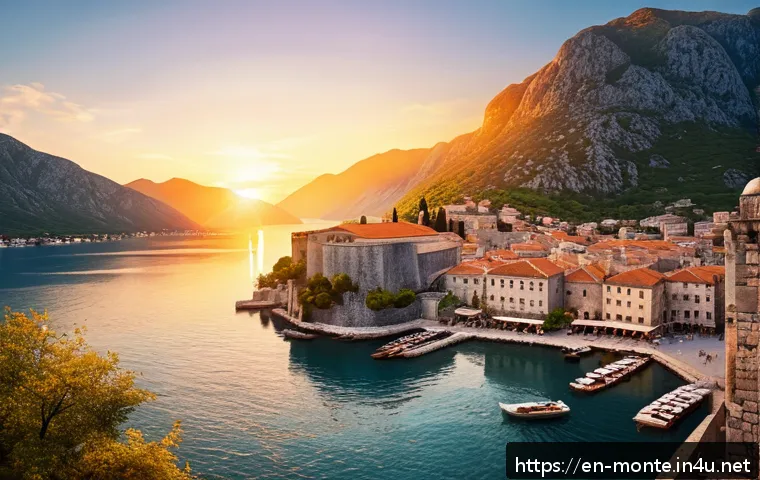
Njeguši offers a glimpse into rural stone houses and traditional village life, while Kotor’s fortified old town showcases medieval walls and Venetian influences.
Perast, with its charming baroque palaces and churches, provides a unique coastal architectural experience. Visiting these locations allows you to see the diversity and preservation efforts firsthand.
Q: How are Montenegro’s traditional buildings being preserved, and can tourists contribute to these efforts?
A: Preservation in Montenegro has gained significant attention recently, with both governmental and local initiatives focusing on restoring stone houses, protecting historic centers, and promoting sustainable tourism.
Tourists play a crucial role by supporting local businesses, choosing heritage-friendly accommodations, and respecting cultural sites. Opting for guided tours led by locals or participating in community events also helps fund ongoing conservation projects.
Personally, I found that engaging with local guides enriched my understanding and appreciation of these efforts.