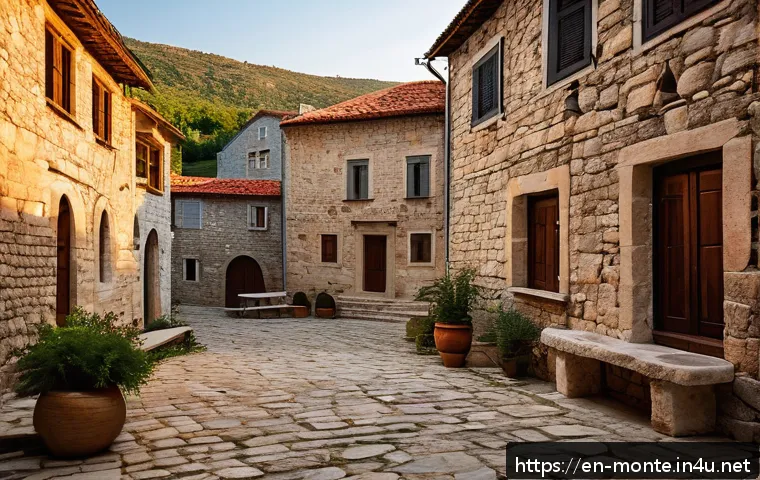
Montenegro, a small but culturally rich country in the Balkans, has produced some remarkable musicians who have left a lasting impact on the global music scene.

These artists blend traditional Balkan sounds with modern influences, creating unique and captivating melodies that resonate with diverse audiences. Exploring the journey of Montenegro’s musicians reveals a fascinating story of passion, resilience, and artistic innovation.
Whether rooted in classical, folk, or contemporary genres, their work reflects both heritage and a forward-looking vision. If you’re curious about how these talents shape the music world, let’s dive deeper and uncover the details together!
The Fusion of Traditional and Contemporary Sounds
Reviving Balkan Folk Rhythms
Many musicians from Montenegro have taken the rich tapestry of Balkan folk music and breathed new life into it by incorporating contemporary elements.
This fusion often involves traditional instruments like the gusle or accordion paired with electronic beats or modern guitar riffs. What’s fascinating is how these artists manage to maintain the soul of their cultural roots while making the music accessible and exciting for younger generations.
I remember attending a live performance where the crowd, mostly young people, were dancing enthusiastically to these revitalized folk tunes, proving that heritage can thrive even in today’s fast-paced music scene.
Innovative Use of Electronic and Pop Influences
The influence of global music trends is unmistakable, especially in the works of Montenegro’s younger musicians who lean heavily on electronic music and pop styles.
They blend catchy hooks and synth-heavy arrangements with Balkan scales and modes, creating something that feels both exotic and familiar. From my experience, these tracks often serve as the perfect bridge for international audiences who might not be familiar with Balkan music but find themselves drawn to the fresh, hybrid sounds.
This approach has also opened doors for collaborations with artists from other countries, further expanding Montenegro’s musical footprint.
Storytelling Through Lyrics and Melody
Montenegrin artists often use their music to tell stories—whether about love, struggle, or cultural identity. The lyrics, frequently delivered in Montenegrin or Serbian, carry emotional weight and poetic depth, while the melodies enhance the narrative’s impact.
I find that even when I don’t understand every word, the passion conveyed through the vocal delivery and instrumentation is palpable. This storytelling aspect adds layers of meaning that resonate deeply with listeners who appreciate music as a form of personal and collective expression.
Classical Roots and Modern Interpretations
Prominence of Classical Training
Several Montenegrin musicians have classical training backgrounds that provide a strong technical foundation for their work. This formal education often shines through in their precise instrumental skills and complex compositions.
For instance, some have studied at renowned conservatories across Europe, which equips them with a diverse toolkit to experiment with different genres.
From what I’ve observed, this blend of rigorous training and creative freedom results in music that’s both technically impressive and emotionally compelling.
Contemporary Compositions Inspired by Tradition
Many composers from Montenegro are crafting contemporary works that pay homage to traditional melodies and rhythms. They often incorporate motifs from folk songs into orchestral or chamber music pieces, creating a dialogue between past and present.
This approach not only preserves cultural heritage but also elevates it by presenting it in concert halls worldwide. I’ve attended a few performances where such compositions left the audience visibly moved, a testament to the universal appeal of well-crafted music that honors its roots.
Impact on Regional and Global Classical Scenes
Montenegro’s classical musicians are making significant contributions beyond their borders, collaborating with international orchestras and participating in global music festivals.
Their unique perspective, enriched by Balkan influences, adds diversity to the classical music world. From my interactions with some of these artists, there’s a genuine pride in representing their homeland while also pushing the boundaries of classical music.
This cross-pollination enriches both Montenegro’s music scene and the broader global community.
Emerging Voices in Contemporary Genres
Rise of Indie and Alternative Artists
A new wave of indie and alternative musicians from Montenegro is gaining attention for their fresh, introspective styles. These artists often explore themes of identity, social issues, and personal growth through their lyrics, paired with experimental sounds.
What struck me most about their music is its honesty and vulnerability, which creates a strong emotional connection with listeners. Their grassroots approach to building audiences, often through social media and live gigs, highlights the evolving nature of the music industry in smaller countries.
Hip-Hop and Urban Influences
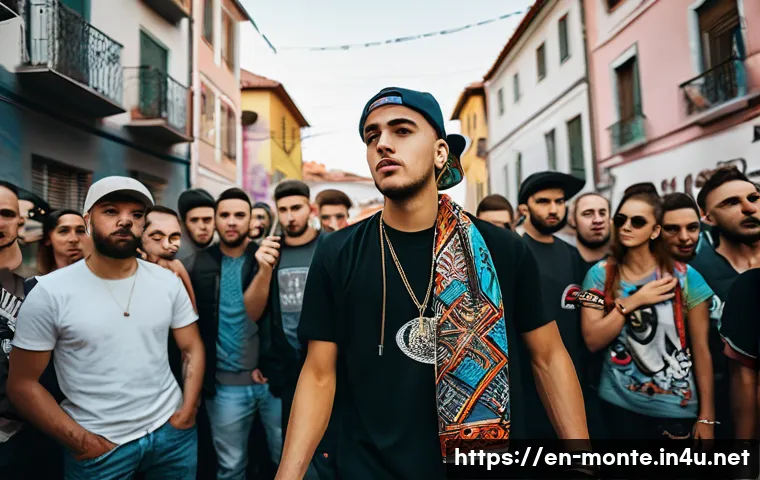
Hip-hop is carving out a space in Montenegro’s music landscape, with artists blending local dialects and stories with global urban beats. This genre offers a platform for addressing contemporary realities, from youth challenges to cultural pride.
I’ve noticed that these musicians often use their craft as a form of activism, sparking conversations around identity and change. Their ability to merge traditional Balkan melodies with rap flows creates a distinctive sound that resonates both locally and internationally.
Collaborations and Cross-Genre Experimentation
Many contemporary Montenegrin artists are not confined to a single genre but thrive on mixing styles, such as combining pop with electronic or folk with hip-hop.
These collaborations often result in innovative tracks that push creative boundaries. From my perspective, this willingness to experiment reflects a broader cultural openness and adaptability, essential for artists in a globalized music market.
It also makes the Montenegrin music scene exciting and unpredictable, attracting listeners eager for something new.
Montenegro’s Music Festivals and Their Role
Showcasing Local Talent on International Stages
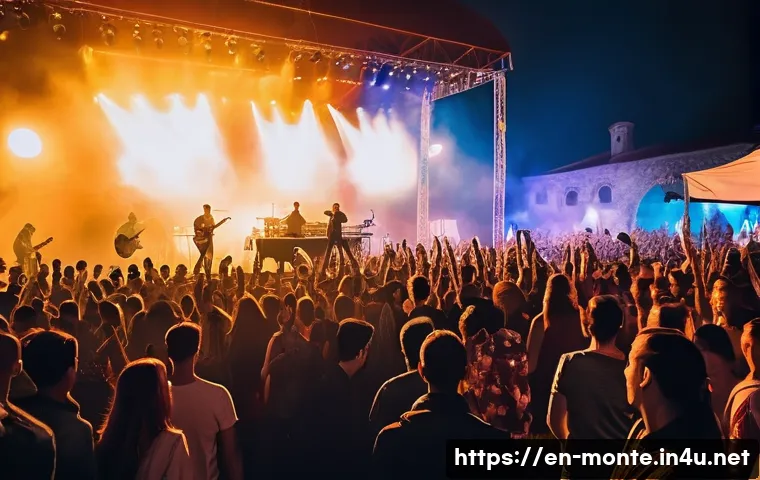
Music festivals in Montenegro serve as crucial platforms for local artists to showcase their talents to international audiences. Events like the Sea Dance Festival attract diverse crowds and feature a blend of local and global acts, providing exposure and networking opportunities.
I’ve attended a few of these festivals and witnessed firsthand how they energize the local music community, foster collaborations, and boost tourism. The vibrant atmosphere often inspires artists to push their creative limits.
Encouraging Cultural Exchange and Innovation
These festivals not only highlight Montenegrin music but also encourage cultural exchange by inviting artists from neighboring countries and beyond. This interaction fosters innovation as musicians absorb new influences and experiment with different styles.
The energy at such events is palpable, with workshops, jam sessions, and informal gatherings sparking spontaneous creative moments. From what I’ve seen, these experiences significantly contribute to the evolution of Montenegro’s music scene.
Impact on Music Industry Development
By drawing attention to Montenegro’s musical talents, festivals play a vital role in developing the local music industry. They attract media coverage, industry professionals, and potential investors, which can lead to recording deals and international tours.
I’ve noticed that artists who perform at these festivals often see a boost in their careers, gaining fanbases beyond their home country. This cycle of exposure and opportunity is essential for sustaining a vibrant and dynamic music ecosystem.
Instruments and Sounds that Define the Region
Traditional Instruments with Modern Twists
The use of traditional instruments such as the tamburica, zurla, and kaval remains a hallmark of Montenegrin music. Musicians often experiment by integrating these sounds into contemporary arrangements, creating a bridge between old and new.
I recall a particular track where the haunting notes of a zurla were layered over electronic beats, producing an eerie yet captivating atmosphere. This blend demonstrates how traditional sounds can find new life in modern music production.
Vocal Techniques and Their Emotional Power
Distinctive vocal styles, including the use of ornamentation and microtonal inflections, add emotional depth to Montenegrin music. Singers often employ these techniques to express longing, joy, or melancholy, connecting deeply with their audience.
Through attending concerts and listening closely, I’ve come to appreciate how these vocal nuances are not merely stylistic choices but essential elements that convey the region’s emotional landscape.
The Role of Rhythm and Dance in Music
Rhythm plays a central role in Montenegrin music, often driving the energy of a piece and inviting movement. Traditional dances like the oro are closely linked to musical rhythms, and many contemporary musicians incorporate these patterns into their compositions.
From personal experience, the infectious beats make it impossible to stay still, reflecting how music and dance are intertwined cultural expressions that bring communities together.
Key Artists and Their Global Impact
Breakthrough Musicians Making Waves Abroad
Several Montenegrin artists have successfully crossed over to international markets, gaining recognition for their unique sound and artistry. Their journeys often involve navigating the challenges of limited local infrastructure while leveraging digital platforms to reach global audiences.
I’ve followed a few of these musicians closely, noting how their authentic storytelling and innovative music resonate well beyond their homeland, earning them loyal fans worldwide.
Collaborations with International Stars
Collaborations between Montenegrin musicians and internationally renowned artists have become more frequent, blending Balkan influences with mainstream genres.
These partnerships not only elevate Montenegro’s visibility but also enrich the music itself by merging diverse cultural elements. I find these collaborations exciting because they showcase the versatility and adaptability of Montenegrin artists, breaking stereotypes and opening new creative avenues.
Recognition in Awards and Festivals
Montenegrin musicians have garnered awards and nominations at various international music festivals and competitions, signaling their growing influence.
These accolades boost their credibility and open doors to further opportunities. Having tracked some award ceremonies, it’s clear that the industry is starting to take notice of the talent emerging from this small but vibrant country, marking Montenegro as a notable contributor to the global music tapestry.
| Category | Characteristics | Notable Examples | Impact |
|---|---|---|---|
| Traditional Instruments | Gusle, Tamburica, Zurla, Kaval | Incorporated in folk and fusion tracks | Preserves cultural heritage, adds unique sound texture |
| Genres | Folk, Classical, Electronic, Hip-Hop, Indie | Blending old and new styles | Expands audience, fosters innovation |
| Performance Platforms | Music festivals, international tours, digital streaming | Sea Dance Festival, local venues | Boosts exposure, encourages cultural exchange |
| Vocal Styles | Ornamentation, microtonal inflections | Traditional and contemporary singers | Emotional depth, cultural authenticity |
| Collaborations | Cross-genre and international artist partnerships | Pop, hip-hop, electronic fusion projects | Global reach, creative diversity |
The Role of Language and Identity in Music
Preserving Montenegrin and Regional Languages
Many Montenegrin musicians choose to sing in their native language or dialects, reinforcing cultural identity and linguistic heritage. This choice often reflects a desire to keep traditions alive while sharing authentic stories.
From my perspective, hearing songs in Montenegrin adds a layer of intimacy and pride, even if listeners don’t fully understand the lyrics. It’s a reminder that music is as much about feeling and connection as it is about words.
Language as a Bridge to Wider Audiences
While native languages dominate, some artists also incorporate English or other widely spoken languages to reach broader audiences. This bilingual or multilingual approach can increase accessibility without compromising cultural integrity.
I’ve noticed that this strategy helps Montenegrin musicians enter international markets and collaborate more easily with global artists, creating a more dynamic and inclusive music scene.
Exploring Themes of Identity and Belonging
Lyrics often delve into questions of personal and national identity, reflecting Montenegro’s complex history and diverse society. Music becomes a medium for exploring belonging, diaspora experiences, and cultural pride.
From conversations with artists and fans, it’s clear that these themes resonate deeply, providing a sense of community and shared understanding that transcends borders.
Technological Advances and Their Influence
Digital Platforms Empowering Musicians
The rise of streaming services and social media has dramatically changed how Montenegrin musicians distribute and promote their work. These tools offer unprecedented access to global audiences without relying solely on traditional gatekeepers.
I’ve observed many independent artists gaining traction through platforms like YouTube and Spotify, which has democratized the industry and encouraged creative experimentation.
Home Studios and DIY Production
Advancements in affordable recording technology have allowed musicians to produce high-quality tracks from home studios. This shift reduces barriers to entry and fosters a DIY culture where artists have more control over their sound.
Personally, I admire how this has led to a surge in diverse and innovative music emerging from Montenegro, reflecting individual artistic visions without compromise.
Challenges and Opportunities in a Digital Age
While technology offers many benefits, it also presents challenges such as market saturation and piracy concerns. Montenegrin musicians must navigate these issues while leveraging digital tools to build sustainable careers.
From what I’ve gathered, those who combine strong artistic identities with savvy online strategies tend to succeed, highlighting the importance of adaptability and resilience in today’s music landscape.
Conclusion
Montenegro’s music scene is a vibrant blend of tradition and innovation, where artists skillfully bridge cultural heritage with contemporary sounds. This dynamic fusion not only preserves the region’s unique identity but also propels it onto the global stage. Experiencing these musical expressions firsthand reveals the passion and creativity fueling this evolution. As Montenegro’s artists continue to experiment and collaborate, their influence will undoubtedly grow worldwide.
Useful Information to Know
1. Montenegro’s music uniquely combines traditional Balkan instruments with modern genres, creating fresh and engaging sounds.
2. Many artists sing in Montenegrin or Serbian, preserving linguistic heritage while also embracing multilingual approaches for wider reach.
3. Local music festivals play a crucial role in promoting artists internationally and fostering cultural exchange and innovation.
4. Advances in digital platforms and home studio technology have empowered independent musicians, expanding their creative freedom and audience.
5. The themes of identity, belonging, and cultural pride are central to Montenegrin music, resonating deeply with both local and global listeners.
Key Takeaways
The Montenegrin music landscape thrives on the harmonious blend of traditional roots and contemporary influences, ensuring cultural preservation alongside modern relevance. Artists’ commitment to storytelling, technical skill, and cross-genre experimentation fuels a rich and evolving scene. Support from festivals and digital innovation enhances exposure and career growth, while language choices and thematic depth strengthen emotional connection. Embracing both heritage and global trends, Montenegro’s musicians continue to make a significant impact locally and internationally.
Frequently Asked Questions (FAQ) 📖
Q: What genres of music are Montenegrin musicians known for?
A: Montenegrin musicians are celebrated for their versatility, often blending traditional Balkan folk music with modern genres like pop, rock, and electronic music.
Many artists skillfully incorporate classical elements as well, creating a rich tapestry that reflects both their cultural heritage and contemporary influences.
This fusion results in sounds that are both deeply rooted in tradition and refreshingly innovative.
Q: How have Montenegrin musicians influenced the global music scene?
A: Despite Montenegro’s small size, its musicians have made significant waves internationally by introducing Balkan rhythms and melodies to broader audiences.
Their unique blend of traditional and modern styles has inspired collaborations with artists worldwide, contributing to a growing appreciation for Balkan music on the global stage.
Personally, I’ve noticed that their music often brings a fresh perspective to world music playlists, resonating with listeners who crave something authentic yet contemporary.
Q: What challenges do Montenegrin musicians face in gaining international recognition?
A: One of the main challenges is the limited size of Montenegro’s domestic market, which means artists often need to look beyond their borders to grow their careers.
Language barriers and the niche appeal of Balkan music can also pose obstacles. However, many musicians overcome this by creatively mixing genres and performing in multiple languages, making their music accessible to diverse audiences.
From what I’ve seen, their persistence and passion often turn these challenges into opportunities for artistic growth and wider exposure.