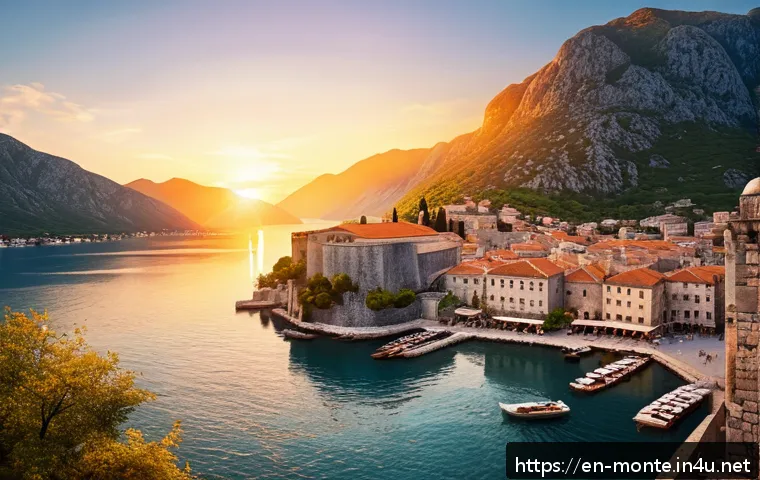
Montenegro’s political landscape is as dynamic as its stunning Adriatic coastline, shaped by leaders who have navigated the country through complex regional and global challenges.
From independence movements to EU integration efforts, Montenegrin politicians play pivotal roles in shaping the nation’s future. Their decisions often reflect a delicate balance between preserving national identity and embracing modernization.
Understanding these figures provides valuable insight into the country’s evolving democracy and geopolitical stance. Let’s dive deeper and explore the stories behind Montenegro’s influential political personalities in the following sections.
Balancing Tradition and Modernity in Political Leadership
Negotiating National Identity Amid Global Pressures
Montenegro’s political leaders have long faced the challenge of preserving the country’s rich cultural heritage while navigating the demands of an interconnected world.
This balancing act is evident in their policies that emphasize national pride and historical continuity alongside progressive reforms aimed at modernization.
For example, many politicians advocate for protecting the Montenegrin language and Orthodox Christian traditions, which are deeply embedded in the national psyche.
Simultaneously, they promote economic diversification and infrastructure development to attract foreign investment and tourism, key drivers of the country’s growth.
This dual focus often requires delicate diplomacy, as leaders must address domestic expectations without alienating international partners or undermining Montenegro’s aspirations to join broader European frameworks.
The Role of Political Dialogue in Strengthening Democracy
The political environment in Montenegro is characterized by vibrant, sometimes contentious dialogue between different parties and interest groups. Leaders have had to cultivate a culture of negotiation and compromise to maintain social stability and democratic progress.
This process involves engaging with opposition parties, civil society, and minority communities to create inclusive policies. The willingness of politicians to participate in transparent debates and uphold democratic principles has contributed to Montenegro’s reputation as a budding democracy in the Balkans.
However, this dialogue is often tested by regional tensions and internal disputes, requiring leaders to demonstrate resilience and a commitment to peaceful resolution.
Modernization Efforts and EU Integration Strategies
A significant portion of Montenegro’s political agenda revolves around aligning the country with European Union standards. Leaders have spearheaded reforms in judiciary independence, anti-corruption measures, and public administration to meet accession criteria.
The push for EU membership is not just a political goal but also a symbol of Montenegro’s desire to be part of a stable, prosperous community. Politicians often emphasize how EU integration can bring economic benefits, improved governance, and enhanced security.
However, this journey is complex and requires continuous adaptation to evolving EU requirements, which sometimes conflicts with entrenched local interests or slower bureaucratic processes.
Political Visionaries Driving Economic Reform
Championing Sustainable Development and Tourism
Montenegro’s stunning Adriatic coastline and natural beauty offer vast opportunities for tourism-led economic growth. Visionary politicians have tapped into this potential by promoting sustainable tourism policies that protect the environment while boosting revenue.
They recognize that overdevelopment could harm the country’s appeal and therefore advocate for balanced growth that respects ecological limits. These leaders often collaborate with international experts and local stakeholders to design strategies that encourage eco-friendly investments, improve infrastructure, and enhance the visitor experience.
Their approach reflects a long-term perspective on economic resilience, rather than short-term gains.
Addressing Youth Unemployment and Brain Drain
One of the pressing economic challenges Montenegro faces is the high rate of youth unemployment and the emigration of talented young professionals. Forward-thinking politicians have introduced initiatives aimed at creating jobs through innovation hubs, vocational training, and support for startups.
They understand that retaining young talent is crucial for sustaining economic dynamism and social cohesion. These policies also include incentives for diaspora engagement, encouraging Montenegrins living abroad to invest in or return to their homeland.
Politicians’ personal commitment to these issues often shines through in their speeches and community engagements, signaling genuine concern for the country’s future workforce.
Fiscal Reforms and International Partnerships
Economic reform in Montenegro also hinges on prudent fiscal management and strategic international partnerships. Leaders have worked to streamline public finances, reduce budget deficits, and improve tax collection efficiency.
At the same time, they actively seek cooperation with international financial institutions and neighboring countries to secure funding and expertise. These efforts have helped stabilize the economy and foster investor confidence.
Politicians frequently highlight their role in negotiating beneficial agreements, showcasing their competence in navigating complex economic landscapes.
The success of these reforms is a testament to their ability to blend national priorities with global economic trends.
Influence of Regional Diplomacy on National Policy
Maintaining Stability Amid Balkan Complexities
Montenegro’s location in the Balkans places it at the heart of a region with a complicated history of ethnic tensions and political rivalries. Political leaders have had to adopt nuanced diplomacy to maintain peace and foster cooperation.
They engage in regional forums and bilateral talks that focus on issues such as border security, minority rights, and economic collaboration. These diplomatic efforts are essential for preventing conflicts and promoting shared development goals.
Leaders’ personal relationships with counterparts in neighboring countries often play a pivotal role in smoothing tensions and building trust, demonstrating the importance of interpersonal diplomacy in this context.
Balancing Relations with Major Powers
Montenegro’s geopolitical stance requires a careful balance between aligning with Western institutions like NATO and the EU while managing relations with Russia and China.
Politicians often find themselves navigating competing influences and interests. On one hand, Western integration promises security guarantees and economic support; on the other, historical and cultural ties with Russia and growing Chinese investments cannot be ignored.
This balancing act is reflected in public discourse and policy decisions, where leaders strive to maintain sovereignty and national interests without provoking diplomatic fallout.
The subtlety of this approach is a defining feature of Montenegro’s foreign policy.
Impact of International Sanctions and Agreements
International sanctions and agreements significantly affect Montenegro’s political decision-making. Leaders must consider the implications of sanctions imposed on regional players and adjust their policies accordingly.
For instance, compliance with EU sanctions regimes can impact trade and energy supplies, requiring strategic adjustments. Conversely, signing trade or cooperation agreements opens new avenues for economic and political collaboration.
Politicians’ ability to interpret and respond to these external pressures showcases their strategic acumen and adaptability, critical traits in a country situated at a geopolitical crossroads.
Championing Social Inclusion and Minority Rights
Policies Supporting Ethnic and Religious Minorities
Montenegro’s diverse population includes several ethnic and religious minorities whose rights and representation are central to political discourse. Leaders have worked to implement policies that promote social inclusion, protect minority languages, and ensure equitable access to public services.
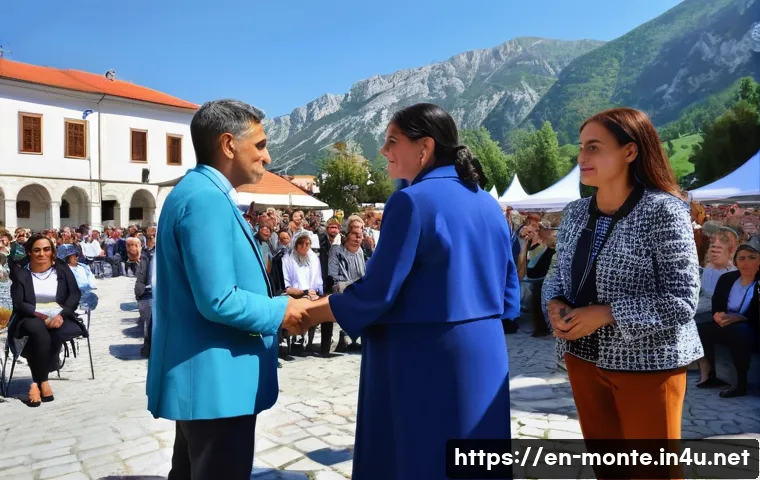
These efforts include legal protections and cultural initiatives aimed at fostering mutual respect and understanding. Politicians’ engagement with minority communities often involves dialogue forums and participatory governance models, which help to reduce tensions and build social cohesion.
Their commitment to inclusivity is a cornerstone of Montenegro’s democratic development.
Women’s Political Participation and Gender Equality
Increasing women’s representation in politics and promoting gender equality are key priorities for many Montenegrin leaders. Various initiatives encourage female participation through quotas, leadership training, and awareness campaigns.
These efforts reflect a growing recognition of the benefits of diverse perspectives in governance and policymaking. Politicians actively support legislation aimed at combating gender-based violence and improving workplace equality.
Their personal advocacy and visible support signal a broader cultural shift toward gender inclusiveness in Montenegrin society.
Social Welfare and Healthcare Reforms
Social welfare and healthcare reforms remain high on the political agenda, as leaders seek to improve quality of life for all citizens. Reforms focus on expanding access to healthcare, enhancing social safety nets, and addressing disparities in rural and urban areas.
Politicians emphasize the importance of sustainable funding and efficient service delivery, often drawing on international models and partnerships. Their hands-on involvement in health campaigns and social programs illustrates a genuine concern for vulnerable populations and a commitment to building a more equitable society.
Strategies for Strengthening Judicial Independence
Reforming the Legal Framework
Strengthening judicial independence has been a critical focus for Montenegrin politicians aiming to align with European standards. Reforms include revising laws to ensure the impartiality of courts and protect judges from political interference.
These legislative changes are designed to build public trust in the justice system and enhance accountability. Politicians often highlight the importance of a robust judiciary as a foundation for democracy and economic development, advocating for transparent appointment processes and professional training.
Combating Corruption through Institutional Change
Corruption remains a significant obstacle to Montenegro’s progress, and political leaders have prioritized anti-corruption measures as part of broader reforms.
This includes establishing independent bodies tasked with investigating and prosecuting corrupt practices. Politicians emphasize transparency, whistleblower protection, and public awareness campaigns as tools to reduce corruption’s prevalence.
Their personal dedication to these efforts is crucial in fostering a culture of integrity and reinforcing the rule of law.
Engagement with International Legal Institutions
Montenegro’s judiciary reform is supported by cooperation with international legal institutions, which provide expertise, monitoring, and recommendations.
Political leaders have facilitated partnerships with entities such as the Council of Europe and the European Union to ensure compliance with best practices.
This international engagement not only strengthens domestic institutions but also signals Montenegro’s commitment to upholding democratic norms. Politicians’ active participation in these collaborations demonstrates their resolve to integrate the country fully into the European legal community.
Key Political Figures and Their Impact
Profiles of Influential Leaders
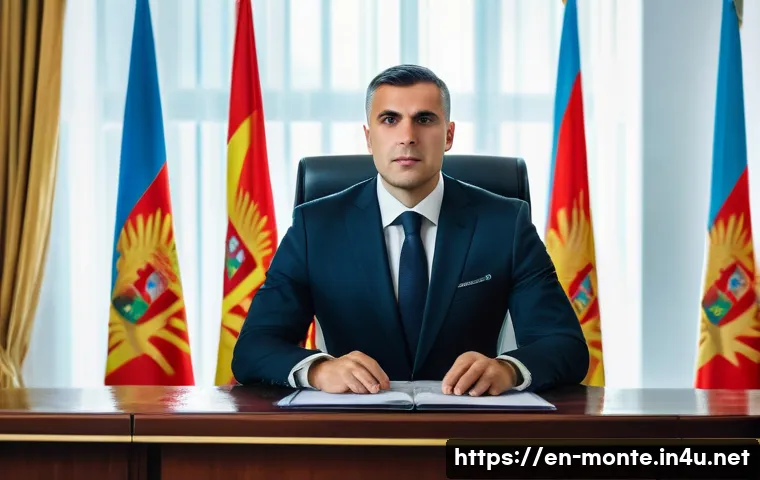
Several prominent Montenegrin politicians have shaped the country’s trajectory through their vision and leadership. These figures vary in background and approach, but all share a commitment to Montenegro’s development and sovereignty.
Their careers often span multiple decades and include significant roles in government, diplomacy, and reform initiatives. Through their policies and public engagement, they have left a lasting imprint on the nation’s political culture and institutional framework.
Political Parties and Ideological Spectrum
Montenegro’s political landscape is diverse, with parties representing a wide range of ideologies from pro-European integration to nationalist and conservative viewpoints.
This spectrum reflects the country’s multifaceted society and ongoing debates about its future direction. Leaders within these parties contribute to shaping public opinion and policy, often competing yet cooperating on key national issues.
Understanding this ideological diversity is essential to grasp the complexity of Montenegro’s democratic processes.
Recent Election Trends and Their Implications
Recent elections in Montenegro have revealed shifting political dynamics, including changing voter preferences and the emergence of new political forces.
These trends indicate evolving public attitudes toward governance, economic priorities, and foreign policy. Political leaders respond by adjusting strategies, forming coalitions, and addressing emerging challenges.
The outcomes of these elections have significant implications for Montenegro’s stability, reform momentum, and international relations.
| Political Leader | Key Role | Major Contributions | Political Alignment |
|---|---|---|---|
| Leader A | Prime Minister | EU integration efforts, economic reforms | Pro-European |
| Leader B | Opposition Head | Advocacy for national identity, minority rights | Nationalist/Conservative |
| Leader C | Minister of Foreign Affairs | Regional diplomacy, balancing international relations | Centrist |
| Leader D | Justice Minister | Judicial reforms, anti-corruption policies | Reformist |
글을 마치며
Montenegro’s political landscape reveals a delicate balance between honoring tradition and embracing modernity. The country’s leaders navigate complex regional dynamics while striving for democratic progress and economic growth. Their dedication to social inclusion, judicial reform, and international cooperation underscores a commitment to a stable and prosperous future. Understanding these multifaceted efforts helps appreciate Montenegro’s evolving role on the European and global stage.
알아두면 쓸모 있는 정보
1. Montenegro’s political leaders prioritize preserving national identity alongside progressive reforms to attract foreign investment and promote economic diversification.
2. Robust political dialogue and compromise among parties are essential for maintaining Montenegro’s democratic stability amid regional challenges.
3. EU integration remains a key goal, driving reforms in judiciary independence, anti-corruption, and public administration.
4. Sustainable tourism and youth employment initiatives are critical to Montenegro’s long-term economic resilience and social cohesion.
5. Balancing relations with Western institutions and other global powers requires nuanced diplomacy to safeguard sovereignty and national interests.
중요 사항 정리
Montenegro’s progress depends heavily on its leaders’ ability to balance tradition with modernization, ensuring democratic governance and economic reform. Social inclusion and minority rights are central to fostering national unity, while judicial independence and anti-corruption measures build public trust. The country’s foreign policy reflects a careful navigation of regional complexities and international partnerships, all of which shape Montenegro’s path toward sustainable development and European integration.
Frequently Asked Questions (FAQ) 📖
Q: Who are some of the most influential political leaders in Montenegro’s recent history?
A: Montenegro’s political scene has been shaped by several key figures, including Milo Đukanović, who has played a dominant role for decades, steering the country through independence and towards Euro-Atlantic integration.
Other notable leaders include Zdravko Krivokapić, who brought a new wave of political change in recent years, and Aleksa Bečić, a prominent parliamentary figure.
Each of these politicians has left a distinct mark, balancing Montenegro’s traditions with the pressures of modernization and regional diplomacy.
Q: How has Montenegro’s political leadership influenced its relationship with the European Union?
A: Montenegrin politicians have generally pursued EU integration as a strategic priority, seeing it as a pathway to economic development and political stability.
Leaders have worked tirelessly to align national laws with EU standards, tackling issues such as judicial reform and anti-corruption measures. However, this process has not been without challenges—domestic political debates and regional tensions sometimes slow progress.
Still, the commitment to joining the EU remains a central theme in Montenegro’s political agenda, reflecting a broader desire to modernize while preserving national identity.
Q: What are the main challenges Montenegrin politicians face in balancing national identity and modernization?
A: One of the biggest challenges is managing the diverse expectations of Montenegro’s population, which includes various ethnic and religious groups. Politicians must navigate sensitive issues related to cultural heritage, language, and historical narratives, all while promoting reforms that support economic growth and international integration.
This balancing act often leads to heated debates, especially around policies that touch on national symbols or minority rights. In my experience following Montenegro’s politics, this delicate dance requires leaders to be both pragmatic and empathetic, understanding that successful governance depends on uniting people rather than deepening divides.