Traveling to Montenegro or connecting with its culture becomes much richer when you grasp the basics of Montenegrin conversation. This South Slavic language, with its melodic tones and unique expressions, opens doors to authentic interactions and memorable experiences.
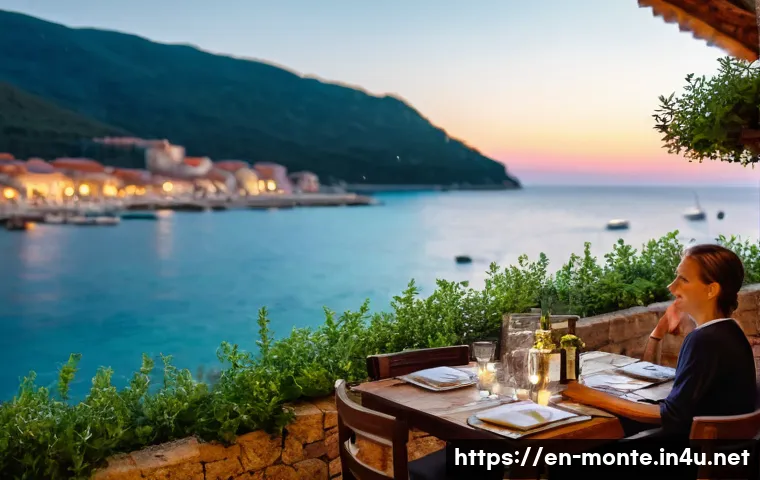
Whether you’re ordering coffee in a cozy café or asking for directions along the Adriatic coast, knowing key phrases can boost your confidence and deepen your travel journey.
Plus, learning Montenegrin offers insight into the country’s history and traditions, making every conversation more meaningful. Let’s dive into essential Montenegrin phrases and see how you can start speaking like a local.
I’ll guide you through it all, so stay tuned and discover more!
Mastering Greetings and Common Courtesies
Simple Greetings That Open Doors
When you arrive in Montenegro, the first step toward connecting with locals is nailing the greetings. Saying “Dobar dan” (Good day) or “Zdravo” (Hello) might seem basic, but it instantly breaks the ice.
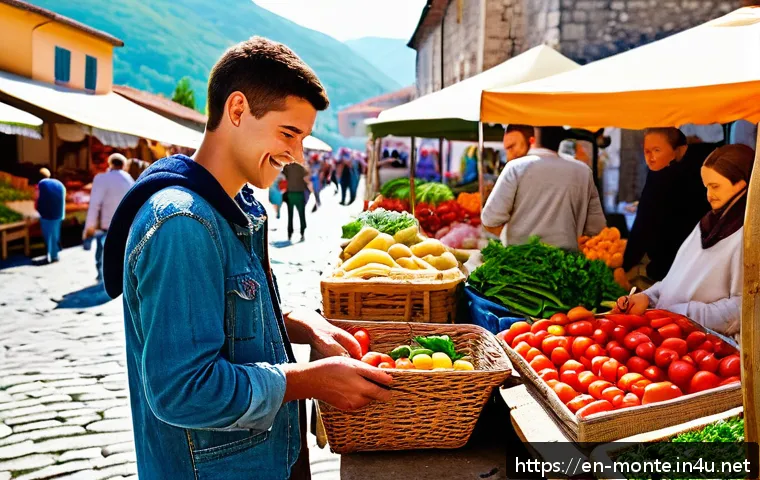
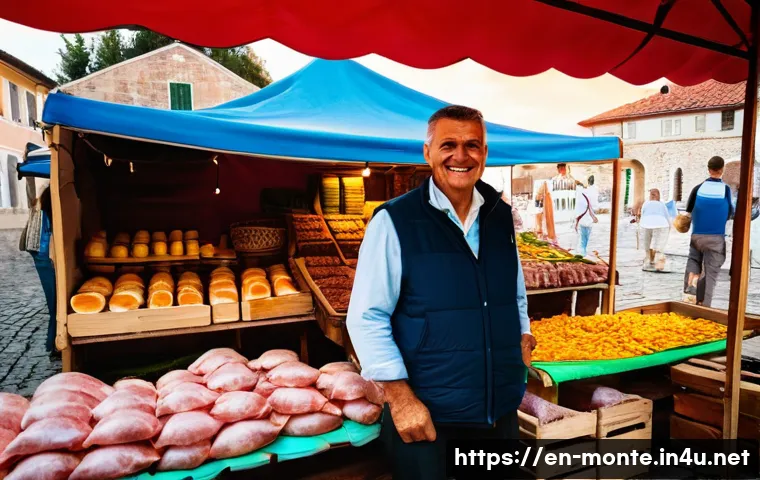
What’s great about Montenegrin greetings is their warmth—people appreciate the effort, even if your pronunciation isn’t perfect. I remember walking into a small market near Kotor and starting with a hearty “Dobro veče” (Good evening), and the vendor immediately smiled and engaged more openly.
These simple phrases show respect and friendliness, making your interactions smoother and more genuine.
Expressing Gratitude and Politeness
Montenegrins are big on politeness, and words like “Hvala” (Thank you) and “Molim” (Please/You’re welcome) pop up frequently in everyday conversations.
I found that sprinkling these words into my sentences made a noticeable difference in how people responded. For example, when ordering coffee, a quick “Hvala puno” (Thank you very much) after receiving your drink leaves a positive impression.
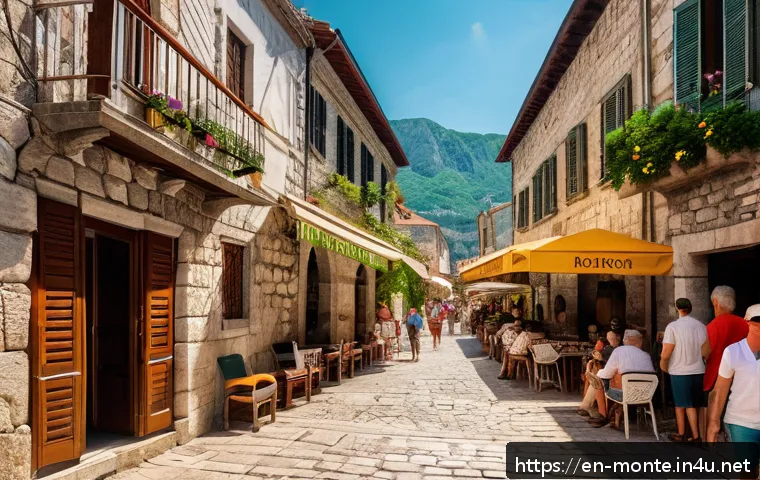
Plus, knowing how to say “Izvinite” (Excuse me/Sorry) helps you navigate crowded places without awkwardness, especially in busy tourist spots like Budva’s old town.
Farewells That Leave a Good Impression
Ending a conversation politely is just as important as starting one. “Doviđenja” (Goodbye) and “Vidimo se” (See you) are common farewells that locals use, and they convey warmth and openness to future encounters.
I remember once saying “Vidimo se” to a group of new friends after a day of hiking in Durmitor National Park, and it felt like a promise to keep in touch.
These phrases are easy to remember but pack emotional weight, showing that you value the connection made.
Ordering Food and Drinks Like a Local
Key Phrases for Menus and Ordering
Navigating menus in Montenegro can be a fun adventure if you know the right phrases. Words like “Meni, molim” (Menu, please) and “Šta preporučujete?” (What do you recommend?) came in handy during my visits to seaside restaurants.
Asking for recommendations not only helps you discover local specialties like “Njeguški pršut” (smoked ham) or “Kačamak” (cornmeal dish) but also sparks friendly conversations with waitstaff.
It’s like you’re inviting them to share a piece of their culture with you.
Understanding Portion and Payment Phrases
Montenegrin dining etiquette includes understanding how to ask for portions or the bill gracefully. “Mogu li dobiti račun?” (Can I get the bill?) is essential when you’re ready to leave, and “Da li je uključeno?” (Is it included?) helps clarify if the tip is already added.
I always felt more comfortable knowing these phrases because paying the bill can sometimes be confusing in smaller establishments. Also, phrases like “Jednu kafu, molim” (One coffee, please) are straightforward but essential for ordering without fuss.
Describing Dietary Preferences and Restrictions
If you have dietary restrictions or preferences, knowing how to communicate them can save you a lot of trouble. Phrases like “Ne jedem meso” (I don’t eat meat) or “Imam alergiju na orahe” (I’m allergic to nuts) were crucial during my trip.
I recall a restaurant owner who appreciated my effort to explain my allergy in Montenegrin and took extra care with my meal. This not only ensures your safety but also shows respect for the kitchen staff’s work.
Navigating Directions and Transportation
Asking for Directions with Confidence
Montenegro’s stunning landscapes are best explored on foot or by bus, but getting around can be tricky without basic direction phrases. “Gdje je najbliža autobuska stanica?” (Where is the nearest bus station?) and “Kako da dođem do plaže?” (How do I get to the beach?) were lifesavers.
I remember once getting a bit lost near the Bay of Kotor and using “Možete li mi pomoći?” (Can you help me?) to ask a local, who then walked me halfway to my destination.
It’s amazing how a simple phrase can turn a stressful moment into a friendly encounter.
Understanding Public Transport Terms
Knowing words like “autobus” (bus), “taksi” (taxi), and “stanica” (station) makes using public transport much easier. Also, being able to say “Koliko košta karta?” (How much is the ticket?) helps avoid confusion or being overcharged.
I once tried to buy a bus ticket without knowing this phrase and ended up paying double before realizing my mistake. Learning these terms beforehand definitely saved me some money and hassle.
Handling Emergencies and Asking for Help
While you hope never to need these phrases, knowing how to ask for help is vital. “Pomoć!” (Help!) and “Gdje je bolnica?” (Where is the hospital?) can make all the difference in urgent situations.
When I twisted my ankle during a hike, being able to ask “Možete li nazvati hitnu pomoć?” (Can you call an ambulance?) was a relief. It’s reassuring to carry these phrases with you, just in case, and locals appreciate that you’re prepared.
Making Friends and Socializing
Starting Friendly Conversations
Montenegrins are known for their hospitality, and starting a chat with phrases like “Kako ste?” (How are you?) or “Odakle ste?” (Where are you from?) can open doors to genuine friendships.
I found that locals love to share stories about their country and culture when you show interest. Even simple compliments like “Lijepa zemlja” (Beautiful country) help break the ice and make your presence welcome.
Talking About Interests and Hobbies
If you want to dive deeper, asking about hobbies or local traditions enriches your conversations. Phrases like “Šta volite raditi?” (What do you like to do?) or “Koji su vaši hobiji?” (What are your hobbies?) led me to discover local music, dance, and festivals.
These exchanges made my stay feel less like tourism and more like cultural immersion, which is exactly what you want when traveling.
Inviting Someone to Join You
Extending an invitation is a great way to bond. Saying “Želite li da idete sa mnom?” (Do you want to come with me?) or “Hajdemo na kafu” (Let’s go for coffee) helped me make spontaneous plans with new friends.
Montenegrins appreciate the gesture, and it often results in unforgettable experiences like shared meals or exploring hidden spots together.
Essential Expressions for Shopping and Bargaining
Negotiating Prices Politely
Shopping in local markets can be a cultural experience, especially when bargaining is involved. Phrases like “Možete li spustiti cijenu?” (Can you lower the price?) or “To je preskupo” (That’s too expensive) were my go-to’s.
What surprised me was how much locals respect polite bargaining—aggressive haggling is frowned upon, but friendly negotiation is welcomed. It’s a delicate balance that pays off with better prices and smiles all around.
Understanding Product Descriptions
When buying souvenirs or groceries, knowing words like “Svježe” (Fresh), “Ručno rađeno” (Handmade), and “Organski” (Organic) helped me pick quality items.
I once bought olive oil labeled “Domaći proizvod” (Home product), which turned out to be a delicious, authentic find. These little details enhance your shopping experience and support local artisans.
Expressing Preferences and Needs
If you’re looking for something specific, phrases like “Tražim suvenir” (I’m looking for a souvenir) or “Imate li ovo u drugoj boji?” (Do you have this in another color?) make your requests clear.
I found that vendors were more willing to help when I used these phrases, turning a simple shopping trip into a friendly interaction.
Basic Montenegrin Grammar Tips for Travelers
Understanding Pronouns and Verb Basics
Montenegrin grammar might seem intimidating at first, but focusing on key pronouns like “ja” (I), “ti” (you), and common verbs such as “biti” (to be) makes a huge difference.
For example, “Ja sam turista” (I am a tourist) is a straightforward sentence that you can use to introduce yourself. I found that mastering a handful of these basics gave me confidence to build more complex sentences on the fly.
Using Polite Forms and Formality
Knowing when to use formal or informal speech is important in Montenegro. The formal “Vi” is used for strangers or older people, while “ti” is reserved for friends and family.
I learned this the hard way when accidentally using “ti” with an older shopkeeper, which caused a bit of surprise. Adjusting to this nuance makes your conversations smoother and more respectful.
Common Question Words to Keep Handy
Questions are your best tool for learning and interacting. Words like “Šta?” (What?), “Gdje?” (Where?), and “Kako?” (How?) helped me ask about everything from directions to meal ingredients.
I kept a small list on my phone, and it was invaluable. Being able to ask questions shows your interest and often invites more detailed and helpful responses.
| English Phrase | Montenegrin Equivalent | Usage Example |
|---|---|---|
| Hello | Zdravo | Greeting a shopkeeper |
| Thank you | Hvala | After receiving your order |
| How much is this? | Koliko košta ovo? | When shopping in a market |
| Where is the bus station? | Gdje je autobuska stanica? | Asking for directions |
| Do you speak English? | Govoriš li engleski? | Finding someone who can assist |
| I don’t eat meat | Ne jedem meso | Explaining dietary restrictions |
| Can you help me? | Možete li mi pomoći? | Requesting assistance |
| Goodbye | Doviđenja | Ending a conversation |
글을 마치며
Mastering basic Montenegrin greetings and common phrases opens doors to richer travel experiences. From polite exchanges to navigating daily situations, these expressions help build genuine connections with locals. With a bit of practice, you’ll find yourself communicating more confidently and enjoying the warmth of Montenegrin hospitality. Embrace the language—it’s your key to unlocking unforgettable moments in this beautiful country.
알아두면 쓸모 있는 정보
1. Always use polite forms like “Vi” when speaking to strangers or elders to show respect and avoid misunderstandings.
2. Learning key question words such as “Šta?” (What?) and “Gdje?” (Where?) empowers you to ask for help or directions easily.
3. When shopping, polite bargaining is appreciated—softly asking “Možete li spustiti cijenu?” can lead to better deals without offending.
4. Expressing dietary restrictions clearly, like “Ne jedem meso,” ensures your meals are safe and tailored to your needs.
5. Memorizing emergency phrases such as “Pomoć!” (Help!) and “Možete li nazvati hitnu pomoć?” (Can you call an ambulance?) can be crucial in urgent situations.
중요 사항 정리
Communicating respectfully and politely is essential when interacting with Montenegrins, as it reflects your genuine interest in their culture. Mastering a handful of common phrases for greetings, ordering food, asking directions, and socializing will greatly enhance your travel experience. Remember to be mindful of formality levels and practice basic pronunciation to foster warmer connections. Finally, having emergency and practical phrases ready ensures safety and smooth navigation throughout your journey.
Frequently Asked Questions (FAQ) 📖
Q: How difficult is it to learn basic Montenegrin phrases for a traveler?
A: Montenegrin, being a South Slavic language, might seem challenging at first glance due to its unique sounds and grammar. However, picking up basic phrases like greetings, polite expressions, and common questions is quite manageable.
Many travelers find that focusing on practical conversational phrases rather than diving deep into grammar makes the learning curve much gentler. Plus, locals really appreciate when visitors make an effort to speak their language, even if it’s just simple words.
From my experience, spending just a few days practicing essential expressions before your trip can significantly boost your confidence and enrich your interactions.
Q: What are some must-know Montenegrin phrases for everyday situations?
A: If you want to blend in and communicate smoothly during your visit, start with greetings like “Dobar dan” (Good day) and “Hvala” (Thank you). Ordering food or drinks is easier when you know “Molim” (Please) and “Koliko košta?” (How much does it cost?).
Asking for directions? Use “Gdje je…?” (Where is…?). These simple phrases open doors to friendly conversations and helpful responses.
I recall ordering coffee in a small coastal café where just saying “Jednu kafu, molim” (One coffee, please) brought smiles and even a little chat with the barista, making the experience far more memorable than a simple transaction.
Q: How does learning Montenegrin enhance the travel experience beyond communication?
A: Learning Montenegrin does more than just help you get by; it connects you to the culture, history, and warmth of the people. When you speak the language, even a little, you gain insight into local customs and traditions that might otherwise go unnoticed.
For example, understanding phrases related to festivals or family gatherings can lead to invitations or deeper cultural exchanges. In my travels, I’ve noticed that locals become more open and welcoming when they see you’ve made the effort to embrace their language, which often leads to unique stories and unforgettable moments that you simply wouldn’t get as a passive observer.