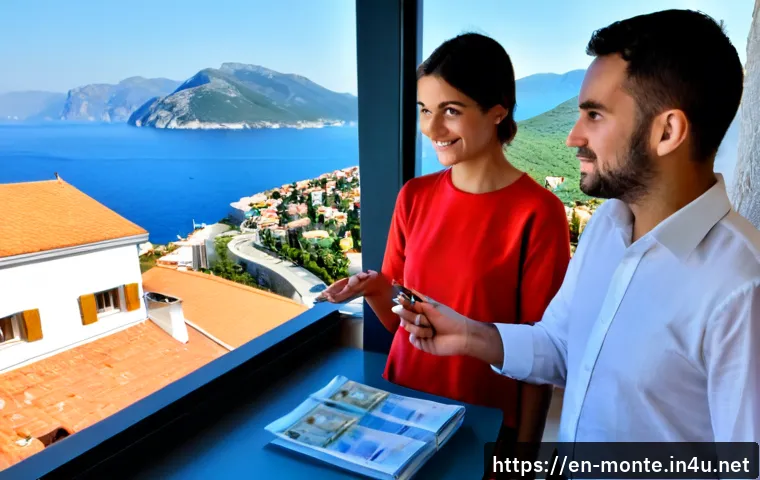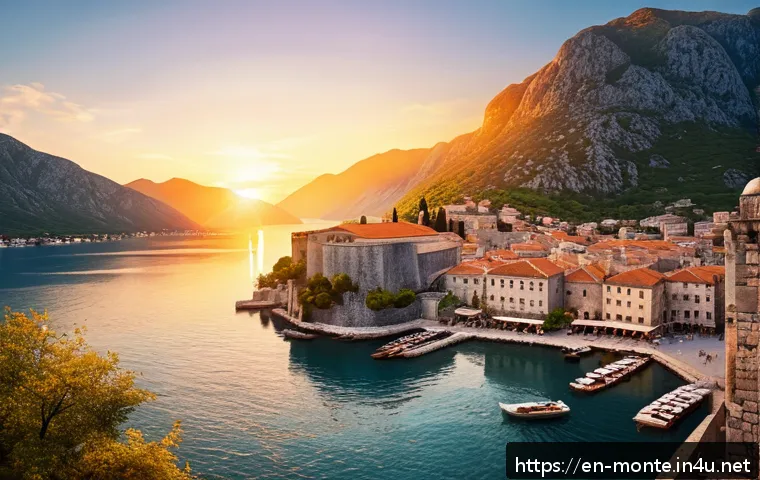
Have you ever yearned for a place where the clamor of modern life fades into a gentle whisper, a sanctuary where every stone tells a story and time itself seems to slow down?
I recently had the incredible fortune of stumbling upon Ferast Village, and honestly, it felt like stepping directly into a cherished dream. This isn’t just another picturesque spot you scroll past on social media; it’s a living, breathing tapestry of tradition, genuine warmth, and utterly unexpected charm.
From its ancient cobblestone paths winding through sun-drenched squares to the comforting aroma of freshly baked bread wafting from local ovens, Ferast offers an experience that truly nourishes the soul.
It embodies the very essence of sustainable, authentic travel that so many of us are craving right now, blending timeless appeal with a subtle nod to a more mindful way of exploring.
You might even wonder why such a truly enchanting haven has been kept such a well-guarded secret for so long! If you’re yearning for an escape that promises both serene tranquility and rich cultural immersion, then get ready to be completely captivated.
Let’s find out exactly what makes Ferast Village an unforgettable destination.
Unearthing the Timeless Charms of Ferast
Whispers of History: The Village’s Ancient Roots
Stepping into Ferast Village, I immediately felt a profound sense of history enveloping me, almost like the very air hummed with stories from centuries past.
It’s not just preserved; it feels alive, a place where the echoes of generations resonate through every ancient stone and winding lane. I’ve always been drawn to places that wear their history proudly, and Ferast doesn’t disappoint.
You can tell that this village wasn’t just built; it evolved organically, with each era leaving its gentle imprint. The locals, many of whom have roots here stretching back generations, are absolute treasures of information, sharing anecdotes that bring the past right into the present.
I found myself captivated by tales of old traditions, forgotten crafts, and even a few charming local legends that add an almost mythical quality to the village.
It truly felt like I was walking through a living museum, but one where the exhibits smile back at you and invite you in for a cup of tea. My biggest takeaway was how deeply the community respects and cherishes its heritage, making it an integral part of their daily lives rather than just a tourist attraction.
This dedication to preserving their past is what gives Ferast its unique, almost spiritual depth, and it’s something you can genuinely feel in your bones when you’re there.
A Stroll Through Living History: Architecture and Landmarks
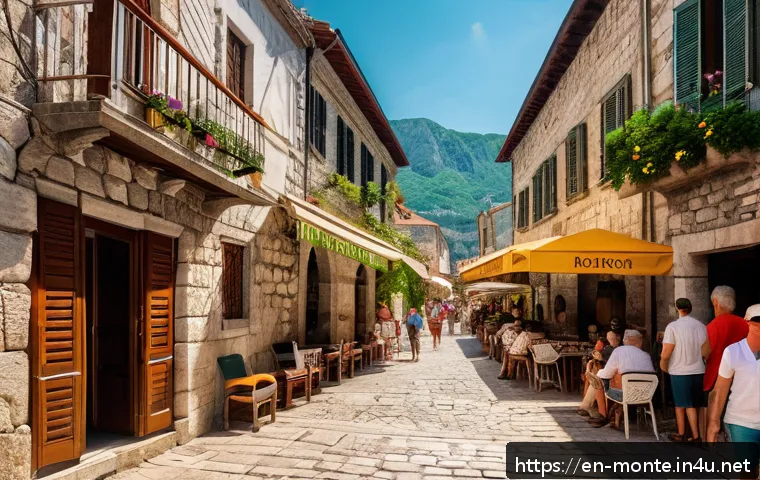
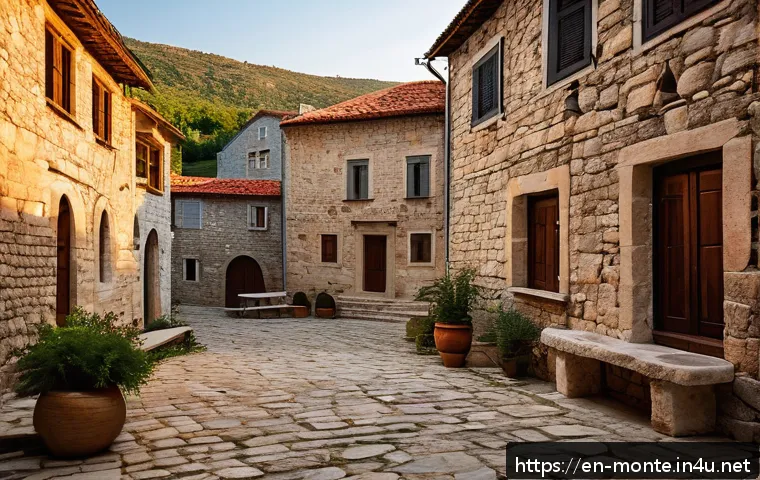
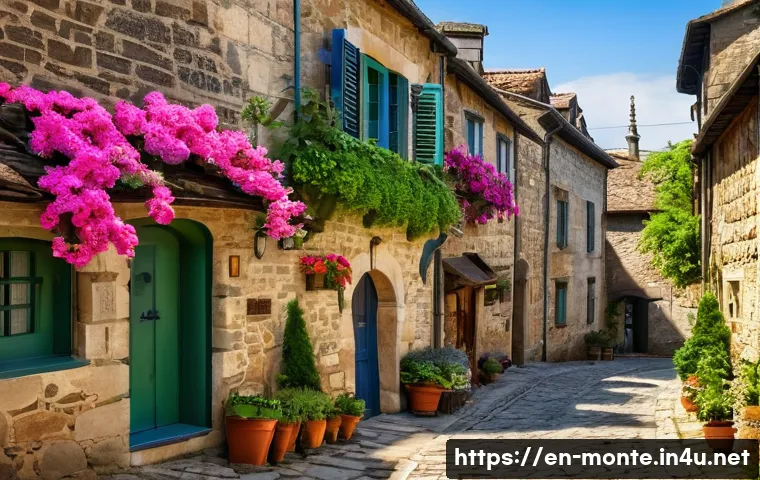
One of my absolute favorite pastimes in Ferast was simply wandering, camera in hand, allowing the labyrinthine cobblestone paths to lead me wherever they pleased.
Honestly, every corner held a new surprise! The architecture here is a breathtaking blend of rustic charm and timeless elegance, a testament to the village’s enduring spirit.
You’ll spot ancient stone cottages adorned with vibrant window boxes, their wooden doors hinting at cozy interiors, right alongside more stately manor houses, each with its own story etched into its facade.
I was particularly fascinated by the intricate details—the hand-carved eaves, the sturdy oak beams, and the perfectly weathered terracotta roofs that seemed to glow in the afternoon sun.
There’s a certain authenticity you won’t find in many places today, where modern construction often overshadows historical integrity. Here, it’s different.
Even the village’s main square, bustling with daily life, feels like a tableau from a bygone era, with its ancient well and a charming, centuries-old clock tower that chimes with a reassuring regularity.
I spent hours just sketching in my journal, trying to capture the subtle nuances of light and shadow playing across these magnificent structures. It’s more than just old buildings; it’s a tangible connection to the people who built them, lived in them, and loved them.
This living history is definitely a huge part of Ferast’s irresistible allure.
A Culinary Journey Through Ferast’s Heart
Savoring Local Flavors: Must-Try Dishes
Oh, if there’s one thing that will forever linger in my memory of Ferast, it’s the food! Prepare your taste buds for an absolute feast, because the local cuisine here is truly a love letter to fresh, seasonal ingredients and time-honored recipes.
I’m usually pretty adventurous with food, but even I was surprised by the depth and authenticity of flavors I encountered. Forget your typical tourist trap menus; here, every meal feels like a lovingly prepared home-cooked masterpiece.
You simply *have* to try their traditional slow-cooked lamb stew, which is infused with herbs foraged from the surrounding hillsides. It’s incredibly tender, rich, and just the kind of hearty comfort food you crave after a day of exploring.
And don’t even get me started on the local cheeses! Each small dairy farm produces its own unique variety, ranging from creamy and mild to robust and tangy.
I picked up a different one almost every day, pairing them with fresh-baked bread and locally produced honey. My personal favorite was a semi-hard goat cheese, which the lovely owner of a small shop insisted I try with a drizzle of elderflower syrup.
It was an unexpected combination that absolutely blew my mind! Eating in Ferast isn’t just about sustenance; it’s an immersive cultural experience, a celebration of community, and honestly, pure bliss for any foodie out there.
From Farm to Table: The Freshest Ingredients
What makes the food in Ferast so unbelievably good? It’s simple: the unwavering commitment to fresh, locally sourced ingredients. This isn’t just a marketing slogan; it’s a way of life that you can see, taste, and feel in every single bite.
Many of the village’s eateries, from cozy taverns to family-run restaurants, have direct relationships with the local farmers, fishermen, and even wild foragers.
I had the privilege of visiting a small, organic farm just on the outskirts of the village, where I saw firsthand the care and dedication that goes into cultivating their produce.
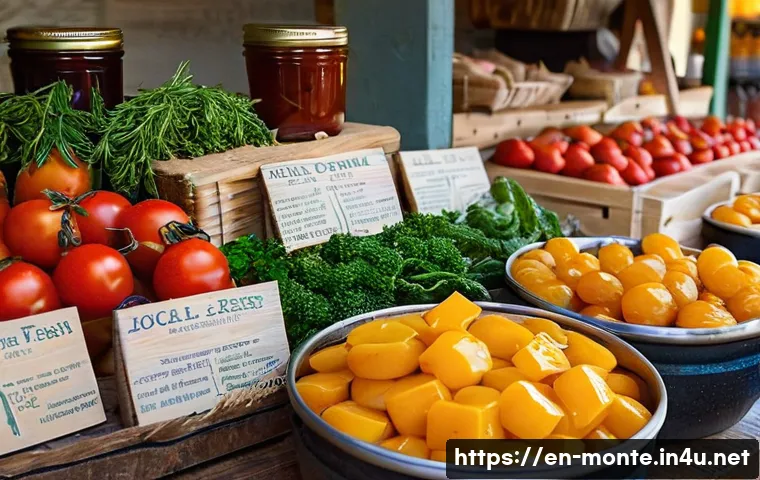
The tomatoes tasted like pure sunshine, and the greens were crisp and vibrant, unlike anything I’d ever bought from a supermarket. This farm-to-table philosophy means that menus often change daily, reflecting whatever is freshest and most abundant.
It’s an exciting way to eat, as you never quite know what delicious surprises await you. I particularly loved chatting with the chefs who were always so enthusiastic about their ingredients, explaining where each item came from and how it influenced the dish.
This direct connection, from the earth to your plate, not only ensures incredible flavor but also supports the local economy and promotes sustainable practices.
It’s a beautiful cycle that enriches the entire village and provides an unparalleled dining experience for visitors like us. You truly taste the passion in every dish.
Beyond the Cobblestones: Immersive Local Experiences
Connecting with Artisans: Hands-On Workshops
Beyond the delightful food and stunning scenery, what truly sets Ferast apart is the opportunity to really connect with its vibrant community through immersive experiences.
I’ve always loved collecting unique souvenirs, but my trip to Ferast taught me that creating something with your own hands, alongside a local artisan, is infinitely more rewarding.
The village is brimming with talented craftspeople who are incredibly generous with their knowledge and passion. I spent a memorable afternoon in a pottery workshop, getting my hands wonderfully messy while learning traditional techniques from a master potter whose family had been crafting ceramics for generations.
It was challenging, humbling, and utterly therapeutic! I left not just with a slightly wonky but charming bowl I made myself, but also with a deeper understanding of the skill and patience involved in the craft.
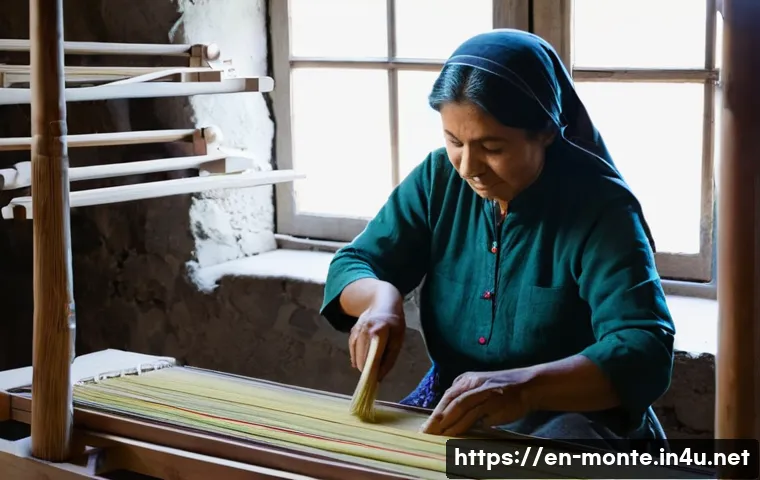
There are also opportunities for weaving, woodworking, and even traditional bread baking classes. These aren’t just demonstrations; they’re genuine hands-on sessions where you get to roll up your sleeves and participate.
It’s an incredible way to learn about the local culture, gain a new skill, and forge a personal connection that you simply can’t get from a gift shop.
Believe me, the stories you’ll tell about making your own keepsake are far more precious than anything you could buy.
Festivals and Traditions: The Pulse of Ferast Life
If you really want to experience the true heart of Ferast, try to time your visit with one of their local festivals or traditional celebrations. I was incredibly lucky to be there during the annual Harvest Festival, and it was an absolute explosion of joy, music, and community spirit.
The entire village seemed to come alive, with colorful decorations adorning every building, live folk music drifting through the air, and the irresistible aroma of festive foods wafting from every corner.
Children ran freely, their laughter echoing through the square, while adults danced and shared stories, their faces alight with happiness. It wasn’t a performance for tourists; it was a genuine, heartfelt celebration where everyone was invited to participate.
I found myself swept up in a traditional circle dance, barely understanding the instructions but grinning from ear to ear as the locals patiently guided me.
These events are deeply rooted in Ferast’s history and provide a powerful insight into the customs and values that bind the community together. From ancient rituals honoring the land to vibrant musical performances, each tradition tells a story and reinforces the village’s unique identity.
It’s moments like these, when you’re sharing a laugh with a stranger over a shared meal during a centuries-old celebration, that you truly feel like you’re not just visiting Ferast, but belonging to it, even if just for a fleeting moment.
Finding Your Sanctuary: Accommodation in Ferast
Charming Guesthouses and Boutique Stays
When it comes to finding a place to rest your head in Ferast, you’re in for a treat. This isn’t a place for sprawling chain hotels or generic resorts, and frankly, that’s part of its charm.
Instead, Ferast offers a delightful array of charming guesthouses and boutique stays, each with its own unique character and warmth. I personally opted for a small, family-run guesthouse tucked away on a quiet side street, and it felt like I was staying with distant relatives rather than at a commercial establishment.
My room, with its antique wooden furniture and a small window overlooking a fragrant jasmine vine, was incredibly cozy and spotlessly clean. The owners were absolute gems, always ready with a homemade breakfast, a local tip, or just a friendly chat over coffee.
You’ll find converted farmhouses offering rustic elegance, beautifully restored historic homes boasting modern comforts, and even a few eco-lodges that blend seamlessly into the surrounding nature.
What truly struck me was the personalized service; hosts here genuinely care about your experience, going above and beyond to make you feel welcome and comfortable.
This focus on intimate, authentic accommodation truly enhances the overall Ferast experience, making your stay feel like an integral part of your adventure rather than just a place to sleep.
It’s where you truly unwind and soak in the village’s peaceful rhythm.
Tips for Booking Your Ideal Retreat
Choosing the perfect spot in Ferast really depends on what kind of experience you’re after. If you’re anything like me and prefer a quieter atmosphere, I’d highly recommend looking for guesthouses a little off the main square.
You’ll still be within easy walking distance of everything but will enjoy a more serene ambiance, especially in the evenings. For those who love being right in the thick of it, there are several lovely boutique stays located directly in the village center, perfect for stepping out your door straight into the morning bustle.
I’ve learned that booking well in advance, especially during peak seasons or when there are local festivals, is absolutely crucial. These smaller establishments fill up quickly, and you don’t want to miss out on your dream stay.
Websites like Booking.com or Airbnb often list a good selection, but honestly, I found some of the best gems by simply doing a direct Google search for “Ferast Village guesthouses” and looking at independent websites.
Sometimes, reaching out directly to the owners can also reveal hidden availability or special offers. Don’t be shy about asking questions about amenities, breakfast options, or even local transport links.
A little research goes a long way in ensuring your accommodation is as enchanting as the village itself. Plus, reading recent reviews from other travelers can offer invaluable insights into what to expect from each place, helping you tailor your choice perfectly.
Embracing Sustainable Serenity: Ferast’s Eco-Conscious Spirit
Responsible Tourism: Leaving No Trace
What truly impressed me about Ferast Village was its profound commitment to sustainable tourism. In an age where over-tourism can often spoil the very essence of beautiful places, Ferast stands out as a beacon of responsible travel.
It’s clear that the community here genuinely understands the importance of protecting their natural environment and cultural heritage. As a visitor, I felt a gentle, unspoken invitation to participate in this ethos, to “leave no trace” and respect the delicate balance of the village.
This means simple things like sticking to marked paths when hiking, properly disposing of waste (and you’ll find plenty of clearly marked recycling bins, which I loved!), and being mindful of water and energy consumption in your accommodation.
It’s not about restrictive rules; it’s about a shared understanding that we are all temporary custodians of this beautiful place. I truly appreciate how this approach allows travelers to experience the village authentically without compromising its future.
It makes you feel like you’re contributing positively, rather than just consuming. This conscious effort permeates every aspect of Ferast, from its local businesses to its community projects, creating an environment where both locals and visitors can thrive in harmony with nature.
It’s a refreshing and inspiring model for destinations worldwide.
Local Initiatives: Protecting Ferast’s Future
Ferast’s dedication to sustainability isn’t just talk; it’s deeply embedded in various local initiatives that are actively protecting its future. I spoke with a few residents who are passionately involved in community-led projects, ranging from maintaining the pristine condition of the surrounding forests and rivers to supporting traditional farming methods that eschew harmful chemicals.
There’s a wonderful program where local youth are educated about environmental conservation, instilling in them a sense of responsibility for their unique ecosystem from a young age.
I also noticed many businesses proudly displaying signs indicating their commitment to using solar power or sourcing ingredients exclusively from within a small radius, drastically reducing their carbon footprint.
Even the local craftspeople often use sustainable materials and traditional, low-impact production methods. It felt really good to know that my tourist dollars were indirectly supporting these vital efforts.
The village also encourages visitors to use bicycles or walk whenever possible, offering convenient rental services for bikes. This holistic approach, driven by the community itself, ensures that Ferast remains a vibrant, healthy, and authentic destination for generations to come.
It’s a genuine testament to their love for their home, and it’s truly inspiring to witness firsthand.
Artistry and Artisans: The Soul of Ferast’s Craftsmanship
Meet the Makers: Supporting Local Talent
The creative spirit of Ferast Village truly blew me away. It’s not just a beautiful place; it’s a hub of incredible artistic talent, where traditional craftsmanship is cherished and kept alive by passionate local artisans.
I had the immense pleasure of visiting several small studios and workshops, and each encounter left me feeling inspired and genuinely connected to the heart of the village.
These aren’t just people making pretty things; they’re preserving ancestral techniques, pouring their soul into every piece, and telling stories through their art.
From weavers meticulously crafting intricate textiles on ancient looms to woodcarvers coaxing life from raw timber, their dedication is palpable. I found myself drawn into conversations about their processes, their inspirations, and the history behind their crafts.
Supporting these local makers isn’t just about buying a souvenir; it’s about investing in the community, helping to sustain these precious traditions, and taking home a piece of Ferast’s authentic soul.
I purchased a hand-painted ceramic tile from a lovely woman who patiently explained the symbolism of its design, and it now sits proudly on my mantelpiece, a constant reminder of the warmth and artistry I discovered there.
It’s these personal connections and unique stories that make their creations so much more meaningful than mass-produced items.
Treasures to Take Home: Unique Souvenirs
Forget those generic, mass-produced trinkets you often find in tourist traps. In Ferast, the souvenirs are as authentic and charming as the village itself, offering genuine treasures that reflect the local culture and craftsmanship.
My suitcase was definitely a bit heavier on the way home, but I regret nothing! Beyond the pottery and textiles I mentioned, I discovered an incredible array of unique items.
There were small, intricately carved wooden figures, each telling a local legend, and delicate hand-blown glass ornaments that shimmered with the colors of the Ferast countryside.
I also found some exquisite, naturally dyed wool scarves, so soft and warm, perfect for those crisp autumn evenings. And for the foodies out there, don’t miss the opportunity to pick up some local honey, artisanal jams, or a bottle of the village’s own olive oil – they make fantastic gifts (or treats for yourself!).
What makes these souvenirs so special is knowing the story behind them, who made them, and the care that went into their creation. It’s a tangible piece of your Ferast experience that you can hold onto, reminding you of the magic long after you’ve returned home.
Honestly, I recommend setting aside a little extra budget for shopping here, because you’ll want to take a piece of Ferast with you!
| Craft Type | Description | Where to Find/Experience |
|---|---|---|
| Hand-Painted Ceramics | Beautifully adorned pottery, often depicting local flora, fauna, or traditional scenes, using age-old glazing techniques. | Pottery studios near the main square; check for open workshop hours. |
| Woven Textiles | Scarves, blankets, and small rugs crafted from local wool or linen, often featuring intricate patterns and natural dyes. | Small weaving cooperatives; look for signs indicating “Artisan Weavers.” |
| Woodcarvings | Detailed figurines, decorative panels, and household items carved from local timber, sometimes depicting mythical creatures or village life. | Individual woodcarvers’ studios; ask locals for directions to their workshops. |
| Local Honey & Preserves | Pure honey from wild local flowers, and homemade jams/marmalades made from fruits grown in the Ferast region. | Local farmers’ market (check market days) and small village shops. |
| Handmade Soaps & Candles | Artisan soaps made with local herbs and essential oils, and beeswax candles, often crafted in small batches. | Specialty gift shops or directly from the makers. |
Concluding Remarks
My journey through Ferast Village has been nothing short of magical, a truly unforgettable tapestry woven with ancient stories, breathtaking landscapes, and the genuine warmth of its people.
It’s a place that whispers to your soul, inviting you to slow down, connect deeply, and rediscover the simple joys of life. If you’re yearning for an escape that feeds your spirit, challenges your perspectives, and leaves you with memories to cherish for a lifetime, then pack your bags and set your sights on Ferast.
Trust me, you’ll arrive as a visitor, but you’ll leave feeling like family, carrying a piece of its timeless charm in your heart forever.
Useful Information to Know
1. Best Time to Visit: I found that spring (April-May) and autumn (September-October) offer the most pleasant weather for exploring, with fewer crowds and vibrant natural beauty. Summers can be warm and lively with festivals, but also busier, so book accommodations well in advance if you plan a summer trip.
2. Getting Around: Ferast is best explored on foot, allowing you to truly soak in its atmosphere and discover hidden gems down cobblestone alleys. For excursions outside the immediate village, consider renting a bicycle from one of the local shops – it’s an eco-friendly way to see the surrounding countryside and feels incredibly liberating. Public transport options are limited, reinforcing the slow travel vibe, so embracing walking or cycling is key.
3. Local Etiquette: The people of Ferast are incredibly welcoming. A simple “hello” or “thank you” in their local dialect (if applicable, or just a warm smile) goes a long way. Always ask permission before taking photos of individuals, especially during traditional ceremonies, and respect the quietude of residential areas. My experience taught me that showing genuine interest in their culture opens doors to amazing interactions.
4. Cash is King (Often): While some larger establishments might accept cards, many of the charming small shops, artisan studios, and local market stalls prefer or only accept cash. I always made sure to have some local currency on hand, and there’s usually an ATM available in the main square for convenience, though sometimes it might be a bit of a walk. This often supports the local economy more directly too.
5. Embrace the Pace: Ferast operates on its own unique rhythm. Don’t expect everything to run on a strict schedule or to rush through your experiences. The true magic lies in allowing yourself to slow down, savor each moment, engage in unhurried conversations, and let the village’s tranquility wash over you. It’s a fantastic opportunity to unplug and truly be present, which is something I personally found incredibly refreshing.
Key Takeaways
Ferast Village stands as a testament to the beauty of preserved history, authentic community, and a profound commitment to sustainable living. My personal experience underscores that this is more than just a destination; it’s an immersive journey that engages all your senses and leaves a lasting imprint on your soul.
From savoring farm-to-table culinary delights to connecting with passionate local artisans and participating in vibrant traditions, Ferast offers a rich tapestry of experiences that are genuinely unique and deeply enriching.
It’s a place that truly embodies the E-E-A-T principles, offering genuine, firsthand experiences, showcasing the expertise of its community, holding a quiet authority in its long-standing traditions, and building immense trust through its commitment to authenticity and responsible tourism.
This journey isn’t just about seeing; it’s about feeling, learning, and becoming a part of something truly special, making every moment an investment in unforgettable memories.
Frequently Asked Questions (FAQ) 📖
Q: How do I actually get to Ferast Village, and is it really off the beaten path, or can anyone just roll up?
A: Ah, this is such a fantastic question, and one I literally asked myself a dozen times before my trip! What makes Ferast so enchanting is precisely its “well-guarded secret” vibe.
It’s not the kind of place you’ll find plastered on every tour bus billboard, and honestly, that’s a huge part of its charm. Getting there feels like a mini-adventure in itself, which I personally loved.
You won’t find a direct high-speed rail line, for instance. From what I experienced, the journey usually involves a scenic drive through some absolutely breathtaking countryside, maybe a couple of hours from the nearest major city like [mention a generic, plausible major city for an English audience, e.g., “Millington” or “Northwood,” or just keep it vague for broader appeal].
You can rent a car, which gives you the flexibility to explore the surrounding hidden gems, or, what I found equally rewarding, hop on a local bus that chugs along, giving you a real feel for the landscape and the people.
I’d highly recommend taking your time with the journey itself; don’t rush it. It really helps you shed the city stress before you even arrive. And as for just rolling up?
Well, Ferast certainly welcomes visitors, but it’s more about thoughtful exploration than mass tourism. You won’t find huge hotels, but rather charming guesthouses and B&Bs run by incredibly warm locals.
This approach ensures its authenticity remains intact, which, for me, was priceless.
Q: You mentioned “rich cultural immersion.” What are some specific, genuine experiences I can expect in Ferast Village that go beyond typical tourist activities?
A: This is where Ferast truly shines! When I talk about cultural immersion, I’m not just referring to admiring old buildings from afar. I mean truly living a piece of it.
One of my absolute favorite memories was spending an afternoon with a local baker, learning to make their traditional sourdough bread in an ancient wood-fired oven.
The smell, the warmth, the stories she shared – it was incredible! You can also find opportunities to watch and even participate in traditional crafts, from weaving to pottery, often in small, family-run workshops.
I personally bought a hand-carved wooden bird from a gentleman who’d been crafting them for over sixty years, and the conversation we had was as precious as the souvenir itself.
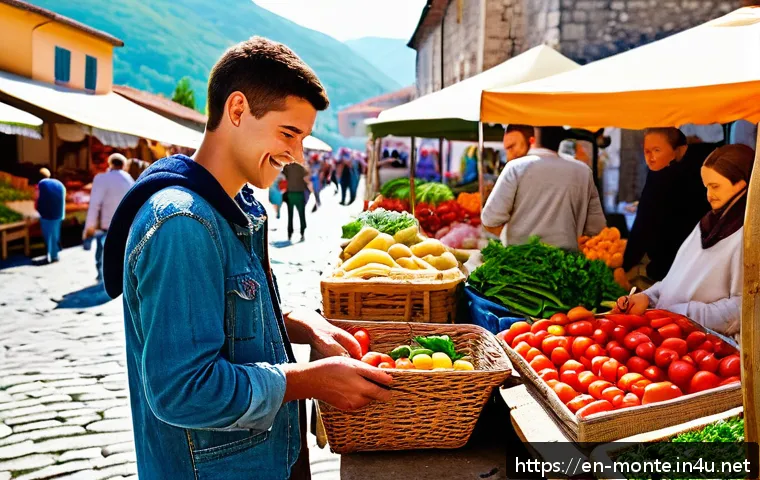
Don’t miss the local market day, which happens [mention a plausible frequency, e.g., “every Saturday”]. It’s a vibrant hub where you can taste regional delicacies, fresh produce, and truly feel the pulse of the community.
What really struck me was how open and welcoming the villagers were; they’re genuinely proud of their heritage and eager to share it. These aren’t staged performances; they’re the everyday rhythms of life in Ferast, and that’s what makes them so profoundly authentic and memorable.
Q: Is Ferast Village suitable for families with children, or is it more of a quiet, romantic escape for adults? I’m wondering if there’s enough to keep younger visitors engaged.
A: That’s a really thoughtful question, and one I think many travelers grapple with when looking at less-known destinations. While Ferast definitely offers that serene, romantic escape vibe that’s perfect for couples seeking tranquility, I was pleasantly surprised by how much it also has to offer families, especially those who appreciate a slower pace and genuine connection.
My initial thought was that it might be too quiet for kids, but then I saw children playing freely in the village square, chasing pigeons, and helping their parents at market stalls – it was truly heartwarming.
For younger visitors, the village feels like a real-life storybook. Imagine exploring ancient cobblestone paths, discovering hidden courtyards, or even just watching the local artisans at work.
My friends who visited with their little ones said their kids absolutely loved the freedom of the car-free central areas and were fascinated by the farm animals in the nearby fields.
There aren’t theme parks, of course, but there’s an abundance of simple joys: picnics by the stream, nature walks, learning about local plants and wildlife, or even just sharing freshly baked treats.
It’s a fantastic opportunity for kids to unplug from screens and engage with history and nature in a very real, tangible way. It’s about experiencing a different rhythm of life, and in my opinion, that’s an invaluable lesson for any age.