Hey everyone! You know, sometimes you stumble upon a place that looks picture-perfect on the surface, but when you dig a little deeper, you find a fascinating, intricate world beneath.
That’s exactly how I feel about Montenegro, this gem on the Adriatic. We often hear about its stunning coastlines and charming old towns, but what about the engine that runs this beautiful country?
Its political system is a dynamic tapestry, constantly evolving and, dare I say, sometimes a little bit of a rollercoaster ride! I’ve been really diving into Montenegro’s journey lately, and honestly, it’s far more complex and captivating than many realize.
From its hard-won independence to its ambitious goals of joining the European Union, there’s a constant buzz of activity, debates, and shifts that shape its very future.
You might think a small nation would have a simple political landscape, but trust me, it’s anything but! We’re talking about a parliamentary republic navigating the intricate dance of coalition governments, battling long-standing issues like corruption, and striving to solidify its rule of law, all while keeping one eye firmly on Brussels.
It’s a testament to the resilience and spirit of the Montenegrin people, but it also presents a unique set of challenges that could really determine its path for decades to come.
Understanding these underlying political currents is key to truly appreciating Montenegro, beyond just its tourist appeal. It’s where aspirations meet reality, where global influences intersect with local traditions, and where the push for a stable, democratic future is a daily endeavor.
Whether you’re a political enthusiast or just curious about what makes this Balkan nation tick, you’ll find plenty to ponder here. Let’s explore this incredible story together and get a clearer picture of what’s truly happening behind the scenes!
Navigating the Adriatic’s Political Waters: Finding Their Own Way
You know, for a country often celebrated for its stunning coastlines and ancient towns, Montenegro truly has a political story that’s just as captivating, if not more so. After gaining independence in 2006, it wasn’t just about hoisting a new flag; it was about building a modern state from the ground up, charting a course through some pretty complex geopolitical waters. I remember following their journey back then, and honestly, it felt like witnessing history in the making. It wasn’t a simple, straightforward path, but a testament to the Montenegrin people’s determination to forge their own identity and future. They opted for a parliamentary republic, which, if you’re not familiar, means the parliament holds the legislative power, and the government is accountable to it. This structure, while common in Europe, comes with its own set of dynamic challenges, especially when you’re a young democracy still finding your feet. It’s like building a complex ship while sailing it, constantly adjusting the sails to catch the best winds and avoid the storms. The early years were all about establishing robust institutions, drafting laws, and cementing their sovereignty, all under the watchful eye of a region that’s seen its fair share of turmoil. For someone like me, who really geeks out on nation-building, it’s been absolutely fascinating to watch.
The Post-Independence Era: Building Blocks and Bumps
When I reflect on Montenegro’s post-independence era, I see a period brimming with both ambition and a fair share of growing pains. The initial euphoria of finally being masters of their own destiny quickly transitioned into the hard work of state-building. They had to establish everything from a robust legal framework to a functioning economy that could stand on its own two feet. It felt like watching a puzzle being assembled piece by piece, where every decision, every new law, and every international agreement was a crucial part of the bigger picture. Of course, it wasn’t always smooth sailing. There were debates, disagreements, and definitely moments where the path forward seemed a bit murky. They had to redefine their relationships with neighbors, particularly Serbia, from whom they had peacefully separated. My personal take is that this period really solidified a unique Montenegrin identity, distinct from the broader regional narratives. It also laid the groundwork for their Euro-Atlantic integration goals, which have become a defining feature of their foreign policy. It’s a journey that truly underscores the resilience required to transform a vision of independence into a lived reality, and I find that incredibly inspiring.
Parliamentary Puzzles: How Laws Get Made and Who Makes Them
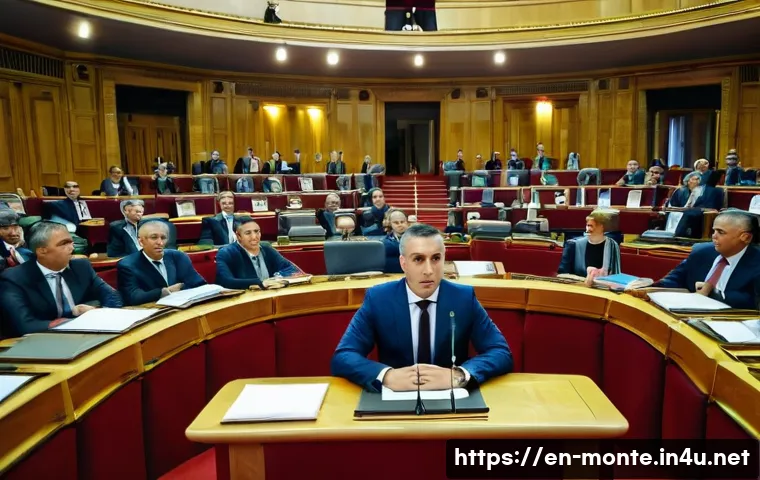
Now, let’s talk about the heart of Montenegro’s political engine: the Parliament. This is where all the legislative action happens, and believe me, it’s rarely dull. As a parliamentary republic, the Skupština (Parliament) is super important. It’s a single-chamber body with 81 members elected for four-year terms, and these folks are the ones debating, amending, and ultimately passing the laws that shape everyday life. What I’ve observed is that forming a stable government often requires delicate coalition building, which can be a bit of a political chess game. You see various parties, each with their own platforms and interests, trying to find common ground to form a working majority. This process can be intense, leading to lengthy negotiations and sometimes unexpected alliances. For an outsider, it might look a bit chaotic at times, but it’s just democracy in action, with different voices and perspectives vying for influence. From my perspective, it’s a constant negotiation, a push and pull that ultimately, hopefully, reflects the will of the people. It’s where the rubber meets the road, transforming policy ideas into actual legislation that impacts everything from taxes to environmental protection. Witnessing the vibrancy of their parliamentary debates, even from afar, gives you a real sense of the passion and commitment that goes into governing this fascinating nation.
Beyond the Beaches: Unpacking the Branches of Power
You know, it’s easy to get lost in Montenegro’s undeniable beauty, with its turquoise waters and dramatic mountains. But beneath that stunning surface lies a fascinating system of governance, with distinct branches of power working – and sometimes clashing – to keep the country moving forward. It’s a bit like a well-oiled machine, though sometimes a cog might stick, or a gear might grind a little. Understanding these different parts really gives you a deeper appreciation for the nation’s daily rhythm. I’ve spent quite a bit of time trying to wrap my head around how it all fits together, and it’s truly a testament to the complexities of modern nation-states, even smaller ones. We’re talking about the separation of powers, a fundamental principle of democracy, which aims to prevent any single entity from becoming too powerful. In Montenegro’s case, this means a clear distinction between the legislative, executive, and judicial branches, each with its own specific responsibilities and checks on the others. This intricate dance ensures accountability and, ideally, transparency, which is something every citizen around the world hopes for from their government.
The Executive Branch: Who’s Steering the Ship?
So, who’s actually running the show day-to-day? That would be the executive branch, primarily led by the Prime Minister and their cabinet. The President, while a head of state, has a more ceremonial role, though still an important one in representing the country both domestically and internationally. The Prime Minister, on the other hand, is the head of government and wields significant executive power, overseeing the implementation of laws and the general administration of the state. This is where policy decisions are translated into action, where the budget is managed, and where the everyday governance of the country takes place. My personal observation is that the relationship between the Prime Minister and the ruling coalition in Parliament is absolutely crucial. A strong, cohesive coalition can mean smooth sailing for policy implementation, while a fractured one can lead to political instability and gridlock. It’s a high-stakes game of leadership and negotiation, especially in a multiparty system where compromises are a daily necessity. I often think about the immense pressure on these individuals, trying to balance national interests with international obligations, all while keeping the domestic political scene calm.
The Judiciary’s Role: Upholding the Rule of Law
No true democracy can function without an independent and robust judiciary, and Montenegro is no exception. This branch is absolutely critical for upholding the rule of law, protecting citizens’ rights, and ensuring that everyone, from the average person to high-ranking officials, is subject to the same legal standards. It includes a hierarchical system of courts, with the Supreme Court at the top, along with specialized courts like administrative and commercial courts. There’s also the Constitutional Court, which has the vital role of interpreting the Constitution and ensuring that laws passed by Parliament are in line with the country’s foundational legal document. From what I’ve gathered, strengthening judicial independence and efficiency has been a key area of reform, particularly in the context of Montenegro’s EU accession goals. It’s a tough challenge, as judicial reform often involves tackling deeply entrenched issues and resistance to change. I believe a fair and impartial justice system is the bedrock of public trust, and any country serious about its democratic credentials must continuously invest in and protect its judiciary. When people feel confident that justice will be served, regardless of who they are, that’s when a society truly thrives.
The European Embrace: Montenegro’s Ambitious Aspirations
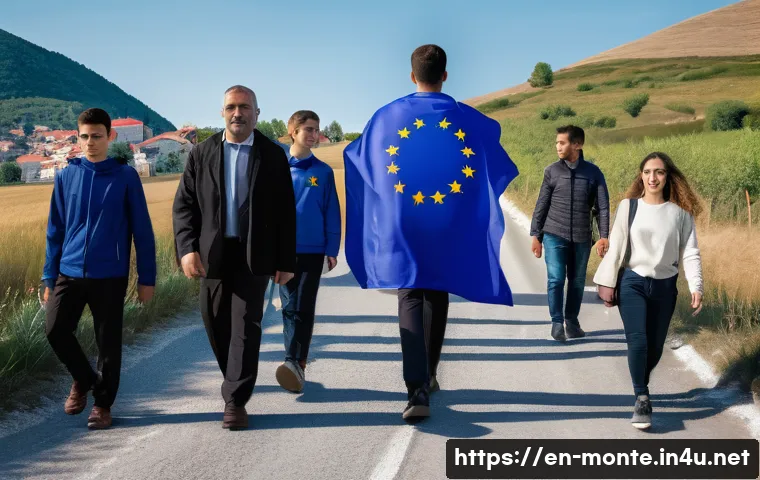
It’s no secret that one of Montenegro’s biggest, most defining political aspirations is joining the European Union. This isn’t just some abstract political goal; it’s a profound commitment that really shapes domestic policy, legal reforms, and even the national psyche. I’ve seen this drive permeate so many aspects of Montenegrin life, from how they talk about their future to the very laws they’re working to implement. It’s a journey that began formally way back in 2008 when they applied for membership, and it’s been a marathon, not a sprint, ever since. For them, EU membership represents stability, economic prosperity, enhanced rule of law, and a deeper integration into the European family. It’s a powerful motivator for change, pushing the country to align its standards with those of some of the most developed nations in the world. And let me tell you, this isn’t a passive process; it involves intense negotiations across 33 different policy chapters, each requiring significant legislative and institutional adjustments. It really feels like a comprehensive national project, one that requires buy-in from all levels of government and society. It’s an ambitious undertaking, but from my observations, the determination to achieve it is palpable.
The Road to Brussels: Challenges and Commitments
The path to EU membership is famously rigorous, and Montenegro’s journey has been no exception. They’ve made significant strides, opening all 33 negotiation chapters and provisionally closing three, which is commendable. However, the real sticking points, and frankly, the biggest challenges, lie in Chapters 23 and 24, which deal with the judiciary and fundamental rights, and justice, freedom, and security, respectively. These are often considered the “backbone” chapters of the accession process because they demand deep, systemic reforms to combat corruption, strengthen the rule of law, and ensure human rights are fully protected. My understanding is that these areas require not just new laws, but also a fundamental shift in institutional culture and effective implementation on the ground. It’s easy to pass a law, but making sure it’s enforced fairly and consistently by an independent judiciary and transparent administration? That’s the real heavy lifting. The EU is looking for a track record of tangible results, not just legislative alignment. It’s a continuous process of self-assessment and improvement, under the constant scrutiny of Brussels, which can be tough, but ultimately, it’s designed to build a more robust and democratic society for Montenegrins. This really speaks to the commitment required from a nation aspiring to join such an influential bloc.
What EU Membership Means for Everyday Montenegrins
So, beyond the political jargon and negotiating chapters, what would EU membership actually mean for the average Montenegrin citizen? Well, it’s pretty profound. For starters, it would likely bring increased economic opportunities through access to the vast single market, attracting more foreign investment, and potentially boosting employment. I’ve spoken with people who envision greater freedom of movement for work and study across Europe, opening up new horizons for younger generations. There’s also the expectation of improved standards of living, better infrastructure, and enhanced environmental protections, as the country would adopt stricter EU regulations. Culturally, it means a deeper integration into the European identity while still preserving their unique Montenegrin heritage. From a governance perspective, it implies stronger democratic institutions, greater transparency, and a more robust fight against corruption, which is something I hear many citizens are keenly hoping for. It’s not a magic bullet, of course, and there will always be challenges. But for many, the promise of EU membership represents a tangible improvement in their daily lives and a stronger sense of security and belonging on the global stage. It’s a vision that drives much of the country’s current political and social discourse.
Battling the Shadows: Corruption and Good Governance
Let’s be real for a moment. Every country, to some extent, grapples with issues of corruption, but in aspiring EU members like Montenegro, tackling it head-on is not just an internal battle; it’s a critical requirement for their European future. I’ve heard countless stories and read extensive reports about the challenges Montenegro faces in this area, and it’s clear that it’s a complex, deeply ingrained issue that touches various levels of society and government. It’s not just about isolated incidents; it’s often about systemic vulnerabilities that undermine public trust and hinder economic development. For me, observing this struggle from afar, it truly highlights the immense difficulty in reforming long-standing practices and the courage required to confront powerful interests. The EU accession process has, in many ways, provided a strong external push for reforms, giving leverage to those within Montenegro who are genuinely committed to clean governance. Without significant progress here, the dream of full EU membership remains just that – a dream. It’s a continuous uphill battle, but one that is absolutely essential for the country’s long-term stability and prosperity.
Systemic Issues: A Closer Look at the Obstacles
When we talk about corruption in Montenegro, it’s rarely a simple matter of a single bad apple. Instead, it often points to more systemic issues that have historically allowed such practices to flourish. My research suggests that areas like public procurement, urban planning, and the privatization of state assets have historically been particularly vulnerable. There’s also the challenge of political influence within state-owned enterprises and public administration, which can sometimes blur the lines between public service and private gain. The perception of impunity, where individuals in positions of power seem to escape accountability, is a major obstacle to building public trust. Furthermore, a relatively small market and close-knit political and business elites can sometimes create an environment ripe for conflicts of interest. It’s not unique to Montenegro, of course, but for a country striving for the highest European standards, these are critical areas that demand concerted and sustained effort to reform. It requires robust oversight bodies, whistleblower protection, and a genuine commitment from the very top to eradicate these practices, not just on paper, but in actual everyday governance. This is where the rubber really meets the road for effective democratic institutions.
Reforms in Motion: Hopes for a Brighter Future
Despite the formidable challenges, Montenegro has indeed embarked on various reforms aimed at strengthening its anti-corruption framework. They’ve established specialized institutions, such as the Special State Prosecutor’s Office for Organized Crime and Corruption, and the Agency for Prevention of Corruption. New laws have been introduced to improve transparency in public procurement, political party financing, and asset declarations for public officials. What I find most encouraging is the increasing pressure from civil society organizations and independent media, which play a crucial role in shining a light on these issues and holding officials accountable. However, as I’ve observed, the effectiveness of these reforms largely depends on their consistent and impartial implementation. It’s not enough to have the legal framework; the political will to enforce it, even against powerful figures, is paramount. I’m personally hopeful that with continued international support and domestic resolve, Montenegro can make significant strides in building a more transparent and accountable system of governance. It’s a long journey, but every step towards greater integrity benefits not just the state, but every single Montenegrin citizen who deserves a government they can trust. It’s about building a future where merit and fairness prevail over influence and privilege.
The People’s Pulse: Elections, Parties, and Public Opinion
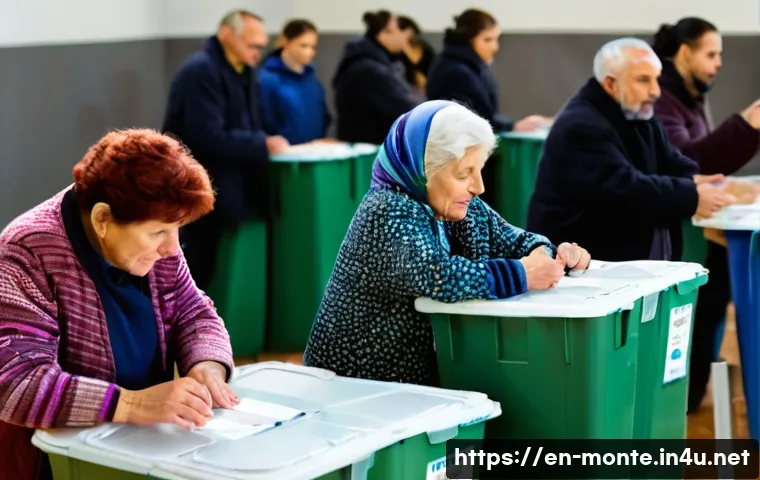
You know, for all the talk of political systems and institutions, at the end of the day, it’s the people who breathe life into a democracy. In Montenegro, the pulse of the nation is truly felt through its elections, the vibrant (and sometimes tumultuous) array of political parties, and the ever-shifting currents of public opinion. I’ve always been fascinated by how different nations express their collective will, and Montenegro offers a fantastic case study in a relatively young democracy. The electoral process is where aspirations meet reality, where citizens get to directly influence the direction of their country. And trust me, Montenegrins take their voting seriously! The political landscape is a colorful mosaic of different ideologies and interests, often reflecting historical divisions, regional identities, and socio-economic concerns. It’s rarely a simple two-party system; instead, you often see a dynamic interplay of numerous parties vying for seats, which can lead to complex coalition negotiations after the ballots are counted. This makes understanding the nuances of Montenegrin politics a truly engaging endeavor for anyone interested in how a nation shapes its future through the power of its citizens’ voices.
The Power of the Vote: Shaping the Political Map
Every four years, Montenegrin citizens head to the polls to elect members of their Parliament, and these elections are absolutely pivotal in shaping the country’s political direction. The electoral system used is proportional representation, which typically results in multiple parties gaining seats and usually necessitates coalition governments. What I’ve seen is that each election cycle brings renewed energy, passionate debates, and often, significant shifts in the political landscape. Voters are often driven by a mix of factors, including economic concerns, social issues, and national identity questions. It’s a powerful moment when individual citizens contribute their voice to the collective decision of who will represent them and steer the ship of state for the next term. The outcomes can be quite unpredictable, leading to exciting and sometimes surprising government formations. For someone who follows democratic processes closely, it’s a living, breathing testament to the power of the ballot box and how it empowers people to hold their leaders accountable and express their preferences for the future. The choices made on election day resonate for years, defining policies and priorities.
A Mosaic of Voices: Understanding Political Parties
Montenegro’s political party scene is, to put it mildly, diverse. You won’t find just two or three dominant players; instead, it’s a rich tapestry of parties ranging across the political spectrum, from center-left to center-right, with some explicitly advocating for specific ethnic or regional interests. This plurality is both a strength and a challenge. It ensures a wide range of voices and perspectives are represented in Parliament, reflecting the varied demographics and opinions of the Montenegrin people. However, it also means that forming stable governments often requires intricate coalition-building, which can sometimes lead to political instability if agreements are fragile. I’ve often thought about how this dynamic creates a unique negotiation environment, where parties with sometimes vastly different platforms must find common ground. This pushes politicians to be adaptable and skilled in compromise, which are essential qualities in a multiparty democracy. Understanding these parties, their histories, and their core platforms is key to grasping the complexities of Montenegrin politics and anticipating future political developments. It’s like watching a constantly evolving puzzle, where the pieces are always shifting and new combinations are being explored.
From Stability to Shifts: The Evolution of Governance
Montenegro’s political journey hasn’t been a linear one; it’s seen periods of relative stability under long-standing leadership, followed by significant shifts and even dramatic changes in government. I’ve personally witnessed how the political winds can change, sometimes quite abruptly, ushering in new eras of governance and policy directions. This evolution is a natural part of democratic development, but in a country like Montenegro, with its aspirations for EU membership and its complex regional dynamics, these shifts carry particular weight. It’s like watching a play unfold, with different acts bringing new characters and plot twists, all contributing to the overarching narrative of the nation. The ability of the political system to adapt to these changes, to manage transitions of power peacefully and democratically, is a crucial indicator of its maturity and resilience. We often talk about the importance of institutions, but it’s also about the human element – the leaders, the parties, and the citizens – and how they navigate these sometimes turbulent waters together. It’s a continuous learning process, both for the politicians at the helm and for the electorate that empowers them.
Coalition Conundrums: Building and Maintaining Power
As I touched upon earlier, in Montenegro’s multiparty system, coalition governments are the norm rather than the exception. This means that after an election, various parties must come together, often despite ideological differences, to form a parliamentary majority and appoint a government. This process is often protracted, involving intense negotiations, concessions, and delicate balancing acts to ensure that all partners feel adequately represented. My take is that while challenging, coalition governments can also foster a culture of compromise and consensus-building, forcing parties to look beyond their narrow interests for the greater good. However, they can also be inherently fragile, with the potential for disagreements or shifting allegiances to lead to votes of no confidence or early elections. I’ve seen how the stability of these coalitions can significantly impact policy implementation and the pace of reforms, especially those crucial for EU integration. It’s a constant effort to manage expectations, distribute power, and maintain a shared vision, all while facing the scrutiny of the public and international observers. It truly is an art form, balancing diverse interests to keep the ship of state on course.
| Key Political Institutions in Montenegro | Primary Role | Notes |
|---|---|---|
| President of Montenegro | Head of State, represents the country, ceremonial duties | Directly elected for a five-year term |
| Parliament (Skupština) | Legislative authority, passes laws, oversees government | Single-chamber, 81 members elected for four-year terms |
| Government (Vlada) | Executive authority, led by the Prime Minister, implements laws | Appointed by Parliament, accountable to Parliament |
| Supreme Court | Highest court in the judicial system | Ensures uniform application of laws |
| Constitutional Court | Interprets the Constitution, reviews legality of laws | Crucial for upholding constitutional principles |
| Special State Prosecutor’s Office | Combats organized crime and high-level corruption | Key body for rule of law reforms |
The Future Landscape: Keeping an Eye on What’s Next
Looking ahead, Montenegro’s political landscape is bound to continue its dynamic evolution. The push for EU membership will undoubtedly remain a central driving force, dictating many of the reforms and policy priorities. However, domestic issues, such as economic development, employment, and regional disparities, will also play a significant role in shaping public opinion and electoral outcomes. I’m personally curious to see how the younger generation, increasingly exposed to global trends and digital communication, will engage with the political process and potentially introduce new perspectives and demands. There’s also the ongoing challenge of maintaining political stability amidst regional influences and internal party dynamics. The resilience of its democratic institutions and the commitment of its political actors to good governance will be paramount. It’s a country that’s constantly balancing its rich history and traditions with its forward-looking aspirations. As an observer, I find myself continually impressed by the spirit of the Montenegrin people and their determination to carve out a prosperous and democratic future. It’s a journey worth watching, full of lessons and inspiration for anyone interested in the complex dance of nation-building in the 21st century.
Wrapping Up Our Montenegrin Journey
And there you have it, folks! We’ve navigated the fascinating, often intricate, political landscape of Montenegro together. From its hard-won independence to its ambitious strides towards European integration, it’s clear this small Balkan nation is a vibrant democracy truly finding its footing. Witnessing their journey has been nothing short of inspiring, a testament to the resilience and determination of the Montenegrin people. It’s a place where history, culture, and a forward-looking vision beautifully intertwine, constantly shaping a unique national story that I, for one, can’t wait to see unfold further.
Useful Information to Know
1. EU Accession in Motion: Montenegro is currently considered the most advanced among the Western Balkan countries in its EU accession talks, with hopes of joining by 2028. They’ve opened all 33 negotiation chapters, and crucially, have met the interim benchmarks for Chapters 23 and 24, which are critical for rule of law reforms. This puts them in a strong position for future integration, demonstrating significant commitment.
2. Euro as De Facto Currency: While not yet an official EU member, Montenegro unilaterally adopted the euro as its de facto currency in 2002. This means you’ll be using euros if you visit, making transactions straightforward for many international travelers.
3. NATO Member Since 2017: Montenegro joined NATO in June 2017, solidifying its commitment to Euro-Atlantic security and further integrating it into Western defense structures. This is a significant geopolitical anchor for the country.
4. Key Political Figures: The current President is Jakov Milatović (since May 2023), and the Prime Minister is Milojko Spajić. Knowing these names can help you follow current political developments and understand the leadership structure.
5. Tourism-Driven Economy: Montenegro’s economy is heavily reliant on tourism, which contributes significantly to its GDP. Its stunning Adriatic coast continues to attract visitors, making it a crucial sector for the nation’s economic health and growth.
Key Takeaways
Montenegro’s political evolution since its 2006 independence has been a dynamic and often challenging path, marked by a clear commitment to democratic principles and Euro-Atlantic integration. The nation operates as a parliamentary republic with a distinct separation of powers across its legislative, executive, and judicial branches, constantly refining its governance. Its ambitious pursuit of EU membership serves as a powerful catalyst for comprehensive reforms, particularly in areas like the rule of law and anti-corruption, which are vital for fostering public trust and ensuring long-term stability. While facing ongoing internal and external pressures, the resilience of its democratic institutions and the active engagement of its diverse political parties and citizens underscore a nation determined to forge its own prosperous and secure future within the European family. The journey is complex, but the underlying commitment to a democratic and European identity remains strong, shaping every facet of its national development.
Frequently Asked Questions (FAQ) 📖
Q: What’s the deal with Montenegro’s political system? Is it stable, and what does being a ‘parliamentary republic’ really mean for folks there?
A: Oh, that’s a fantastic question, and one I’ve actually spent a good bit of time trying to wrap my head around! Montenegro operates as a parliamentary republic, and honestly, understanding that is key to understanding the country’s pulse.
What it basically boils down to is that the power largely rests with the parliament – the Skupština, as they call it – which is elected directly by the people.
This parliament then elects the government, headed by a Prime Minister. The President is also directly elected but primarily holds a more ceremonial role, kind of like a unifying figure for the nation.
Now, ‘stable’ is an interesting word when you talk about Montenegrin politics! From my own observations, it’s often a dynamic, sometimes even a bit of a passionate affair.
Because there are quite a few political parties, you frequently see coalition governments forming. This means different parties have to work together, which can be brilliant for representing diverse viewpoints, but it also sometimes leads to spirited debates and shifts in power.
It’s truly fascinating to watch how they navigate these waters, especially as they balance the need for strong governance with the spirit of democratic participation.
For the everyday Montenegrin, this means their voice, through their vote, has a direct impact on who leads the country and shapes its policies. It’s a system designed for representation, even if it sometimes feels like a lively dance of different opinions!
Q: Montenegro often talks about joining the European Union. What are the biggest hurdles it’s facing on that path right now?
A: Ah, the EU dream! It’s a topic that comes up so often when you chat with Montenegrins, and it’s definitely a driving force behind many of their political reforms.
From what I’ve gathered, and having followed their journey for a while now, there are a few really significant hurdles they’re tackling. One of the biggest, and perhaps most talked about, is combating corruption and organized crime.
This isn’t unique to Montenegro, of course, but strengthening the rule of law, ensuring an independent judiciary, and truly rooting out these issues are absolutely paramount for Brussels.
It’s a tough, long fight, and it requires consistent effort and concrete results. Another crucial area is economic reform. While Montenegro has made strides, ensuring a truly competitive market economy, reducing public debt, and attracting sustainable investment are constant challenges.
And let’s not forget the administrative capacity – building up strong, efficient public administration that can effectively implement EU laws and standards.
It’s a huge undertaking, requiring skilled personnel and robust institutions. Honestly, I’ve seen firsthand how committed many officials are, but it’s a monumental task to transform an entire system.
It’s a bit like running a marathon; you need stamina, a clear strategy, and the ability to overcome unexpected obstacles along the way. They’re definitely in it for the long haul, and it’s a process that demands constant self-improvement and accountability.
Q: How does the political climate in Montenegro actually impact daily life or perhaps potential investors and tourists looking at the country?
A: That’s a super practical question, and one that gets right to the heart of why understanding these political currents matters beyond just the headlines!
For the average Montenegrin, the political climate definitely shapes their daily reality. When governments are stable and focused on reform, you often see improvements in public services, infrastructure, and job opportunities.
Conversely, periods of political instability or frequent government changes can sometimes slow down progress, create uncertainty, and even affect things like public confidence or the pace of economic development.
I’ve heard locals express both hope and frustration depending on the political winds. Now, for those of us looking at Montenegro from the outside, whether as a tourist or a potential investor, the political environment plays a huge role.
For tourists, generally speaking, daily political shifts usually don’t impact your holiday plans too much – the stunning scenery and warm hospitality remain!
However, a stable and predictable political environment is absolutely golden for investors. It means greater legal certainty, a clearer regulatory framework, and a more reliable business climate.
When the rule of law is strong and corruption is actively fought, businesses feel more secure making long-term commitments. I’ve personally seen how much emphasis is placed on attracting foreign investment, and a solid political foundation is truly the bedrock for that.
So, while you might not think about it when you’re sipping coffee by the Adriatic, those political decisions in Podgorica are quietly shaping the country’s appeal and future prospects for everyone!