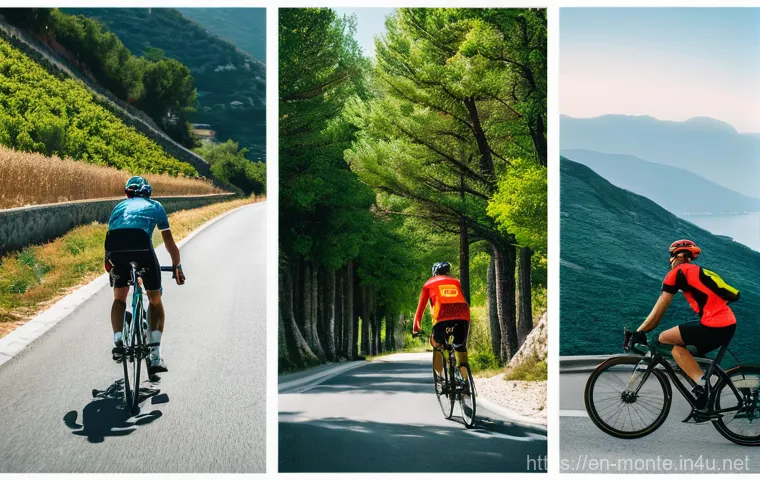
Have you ever craved an adventure that wasn’t just a trip, but a truly transformative experience, where every turn reveals a new breathtaking vista and every climb rewards you with an unmatched sense of accomplishment?
I know I have! And that’s exactly what I discovered on my recent cycling expedition through the untamed beauty of Montenegro. Imagine pedaling along the shimmering Adriatic coast, then winding your way up into dramatic limestone mountains, exploring ancient towns nestled in forgotten valleys, and truly immersing yourself in a culture as vibrant as the landscapes themselves.
It’s an unforgettable journey for any cyclist, from seasoned pros to those simply seeking a spectacular escape. If you’re ready to trade the ordinary for an extraordinary two-wheeled escapade, then let’s get into the nitty-gritty and plan your dream ride.
Unveiling Montenegro’s Coastal Charms on Two Wheels
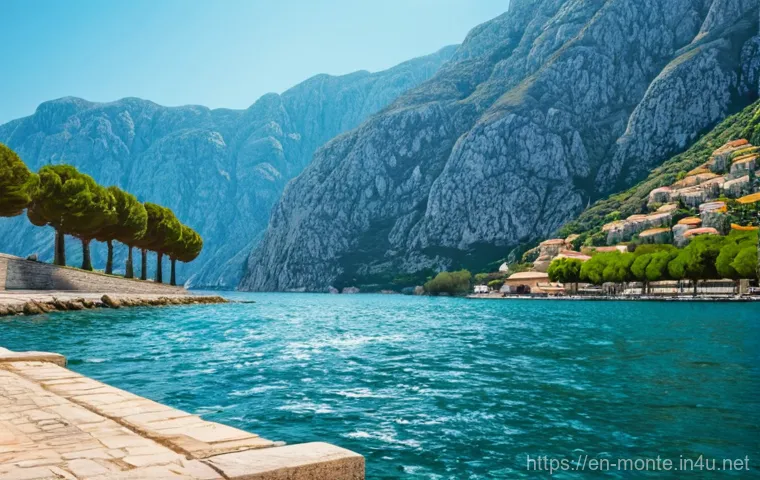
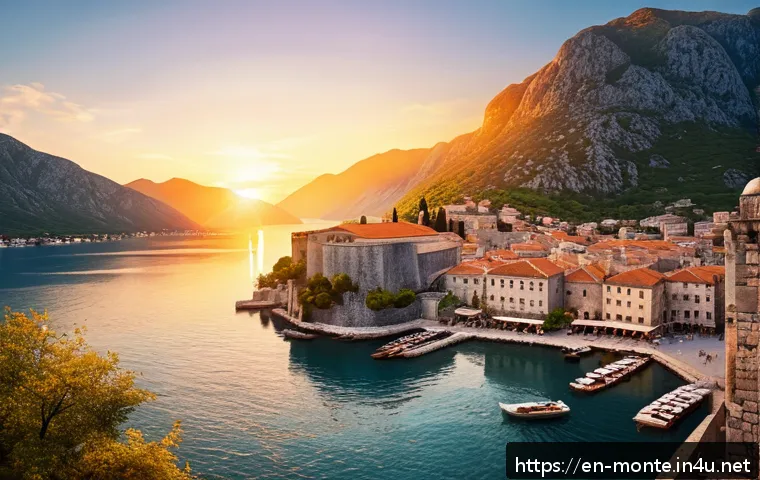
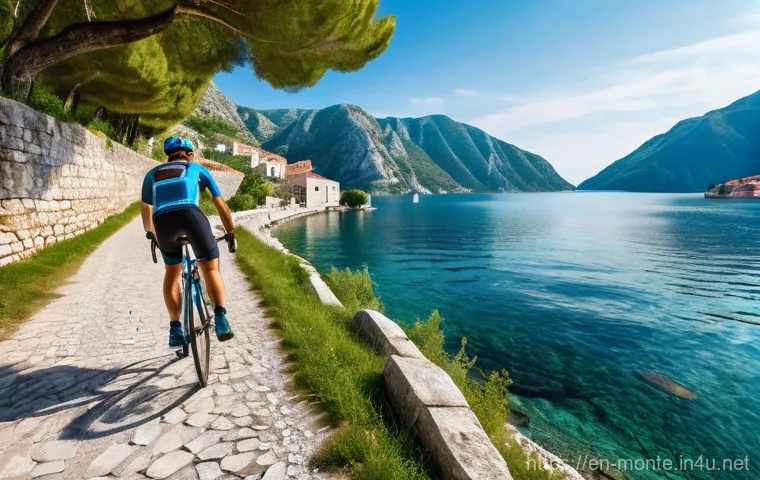
There’s just something magical about feeling the sun on your skin and the salty air whipping past as you hug the Adriatic coastline, isn’t there? I still vividly recall the sheer joy of my first few days cycling along Montenegro’s shores. The Bay of Kotor, often called Europe’s southernmost fjord, was an absolute showstopper. Imagine pedaling past ancient stone villages like Perast, where time seems to stand still, with two tiny islands crowned by churches floating just offshore. Every turn brought a new vista more breathtaking than the last, forcing me to stop and just soak it all in. The road undulates gently here, making it perfect for finding your rhythm and truly appreciating the incredible scenery. My legs felt alive, and my spirit soared with every kilometer. It’s not just a ride; it’s a sensory feast, from the scent of pine and sea to the vibrant blue of the water reflecting the dramatic cliffs above. Trust me, you’ll want to pack a small waterproof camera because you’ll be constantly reaching for it. The ride through the old town of Kotor itself, with its ancient walls and narrow alleyways, was an unforgettable experience, making me feel like I’d stepped back in time. This initial stretch really sets the stage for the diverse adventures that await deeper into the Montenegrin landscape, offering a gentle but incredibly rewarding introduction to the country’s unparalleled beauty.
The Allure of the Bay of Kotor Loop
The loop around the Bay of Kotor is an absolute must-do for any cyclist visiting Montenegro. I spent a full day just exploring this one area, stopping frequently to grab a coffee in a waterfront cafe or simply marvel at the UNESCO World Heritage sites. The segment from Kotor to Perast and then on to Risan offered a relatively flat and incredibly scenic ride, perfect for getting acclimatized. What I loved most was the opportunity to really slow down and engage with the local life. I remember a small moment when an elderly woman tending her garden waved at me with a warm smile; it made me feel so welcome. You’ll find plenty of spots to replenish your water bottles or grab a quick bite of local pastries, which are an absolute delight. Just be mindful of the occasional traffic, especially during peak tourist season, but generally, the drivers were quite respectful of cyclists. This route isn’t just about the physical exertion; it’s about the connection you feel with the history and the natural grandeur surrounding you.
Coastal Roads to Bar and Beyond
Once you venture south from the Bay of Kotor, heading towards towns like Budva, Sveti Stefan, and ultimately Bar, the coastal roads open up, offering a different kind of challenge and reward. I found this section to be a fantastic mix of rolling hills and exhilarating descents with panoramic views of the open Adriatic. Sveti Stefan, with its iconic island resort, is a perfect photo opportunity – I literally pulled over, leaned my bike against a stone wall, and just stared for a good ten minutes. The ride towards Bar was particularly memorable for its quieter stretches, where I felt truly at one with the road and the sea. The historic Old Bar, perched on a hill, is a fascinating place to explore off the bike, offering a glimpse into centuries of Montenegrin history. Just be prepared for some climbs on this route; they’re not brutal, but they’re enough to get your heart pumping and make you feel like you’ve earned those incredible views. My personal tip? Start early to beat the heat and enjoy the pristine morning light reflecting off the sea.
Conquering the Majestic Peaks: A Mountain Cyclist’s Dream
While the coast is undeniably captivating, the true soul of Montenegro for a cyclist, in my humble opinion, lies in its dramatic, untamed mountains. It was here that I truly felt challenged and profoundly rewarded. The ascent from Kotor up the ancient serpentine road towards Lovćen National Park is legendary, and for good reason. My legs burned, my lungs worked overtime, but with every switchback, the views of the Bay of Kotor spread out beneath me, becoming more expansive and breathtaking until it felt like I was looking down from an airplane. It’s a climb that demands respect and preparation, but the feeling of reaching the top, standing beside the mausoleum of Petar II Petrović-Njegoš, and gazing out over almost the entire country, is an accomplishment I’ll never forget. The air up there is crisp and clean, a stark contrast to the humid coast, and the sense of peace is palpable. I even saw wild horses grazing in the meadows, a truly wild and unexpected sight. This is where Montenegro truly reveals its raw, rugged beauty, and it’s an experience that transforms a casual rider into a true adventurer. Don’t underestimate these ascents; they’re tough, but the payoff is monumental.
The Serpentines of Lovćen and Beyond
The famous Kotor Serpentine, with its 25 hairpin turns, is an iconic cycling challenge. I vividly remember counting each turn, a mix of grim determination and sheer exhilaration propelling me upwards. Once you clear the serpentine, the road continues into Lovćen National Park, offering more rolling terrain and incredible views before reaching the Njegos Mausoleum. The descent from Lovćen, particularly if you choose a route towards Cetinje, the old royal capital, is an absolute blast – fast, winding, and incredibly scenic. It’s essential to check your brakes before this part! I found that taking a detour to Lake Skadar National Park afterwards was a perfect way to balance the strenuous mountain climbing with some gentler riding around the stunning freshwater lake. The landscapes shift dramatically from barren, rocky peaks to lush, green valleys, showcasing Montenegro’s incredible natural diversity in a single day’s ride. It’s an experience that really sticks with you, proving that the most challenging paths often lead to the most beautiful destinations.
Durmitor’s High-Altitude Adventures
For those truly seeking an epic high-altitude adventure, Durmitor National Park in the north is an absolute must. While I tackled Lovćen on this trip, I’ve heard incredible tales from fellow cyclists about the jaw-dropping routes through Durmitor, especially the famous Sedlo Pass. My friends who’ve ridden there talk about feeling tiny amidst the colossal peaks, with glacial lakes shimmering like jewels. It’s a completely different landscape than the coast or even Lovćen – more alpine, more rugged, and truly wild. The roads are often quieter, making for a more immersive experience with nature. They warned me about unpredictable weather, even in summer, so packing layers is crucial. But every single one of them said the effort was worth it for the sheer grandeur and solitude. If you’re planning a multi-day trip, dedicating a few days to Durmitor sounds like an unforgettable way to truly push your limits and discover some of Europe’s most pristine wilderness on two wheels. It’s on my list for next time, for sure!
Discovering Hidden Gems: Beyond the Tourist Trail
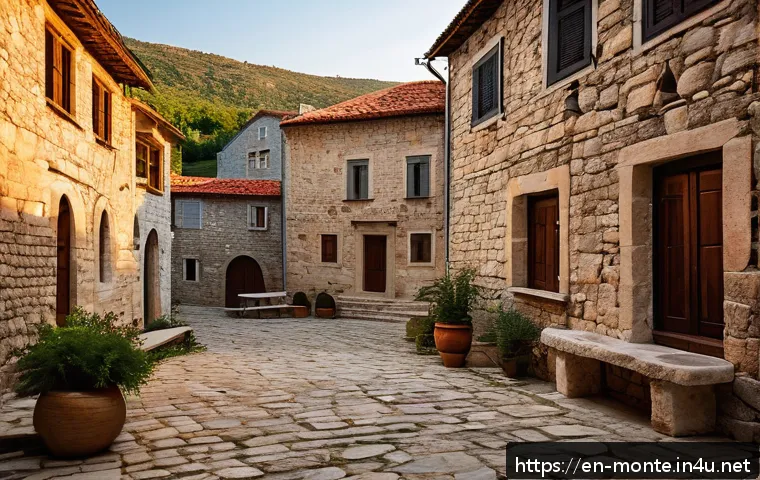
One of the absolute joys of cycling, especially in a place like Montenegro, is the freedom to stumble upon those magical, off-the-beaten-path places that tour buses simply can’t reach. While the main attractions are fantastic, my most cherished memories often come from these unexpected discoveries. I remember one afternoon, taking a small, unmarked turn off a slightly larger road, and finding myself pedaling through a tiny village where an old woman was selling homemade honey by the roadside. Her smile was infectious, and the honey was divine! These moments, where you truly connect with the local rhythm of life, are what make a cycling trip so much more than just a vacation. It’s about authentic experiences, the kind that deepen your understanding of a place and its people. You’ll find yourself venturing into valleys forgotten by time, past ancient monasteries tucked away in dense forests, and through orchards heavy with fruit. These aren’t just scenic detours; they’re invitations to experience the real Montenegro, away from the postcard views, and to create your own unique adventure story.
Charming Villages and Local Encounters
My personal philosophy when cycling in a new country is always to leave a little room for spontaneity. That’s how I discovered some of Montenegro’s most charming, untouched villages. Places like Njeguši, nestled high in the mountains, are famed for their smoked ham (pršut) and cheese. I made a point to stop at a small, family-run konoba (traditional tavern) there, and the owners treated me like family, sharing stories and generously offering samples of their incredible local produce. It was a truly authentic taste of Montenegrin hospitality. These aren’t experiences you’ll find in a guidebook; they’re earned by the sweat of your brow and the willingness to explore. The warmth and genuine curiosity of the local people are something that really stood out to me. Don’t be shy; a simple “Zdravo” (hello) can open up wonderful interactions and lead to insights you wouldn’t get anywhere else.
Ancient Monasteries and Forgotten Paths
Montenegro is dotted with incredible historical and religious sites, many of which are beautifully isolated and best accessed by bike. I found myself drawn to Ostrog Monastery, a truly spectacular pilgrimage site built into a sheer rock face. While reaching it involved a significant climb, the awe-inspiring architecture and spiritual atmosphere made every pedal stroke worth it. Another time, following a hint from a local, I cycled along a narrow path through dense forest that led me to a small, unassuming medieval church, almost completely hidden from view. There was no one else around, just the sound of birds and the rustle of leaves. It was a moment of profound peace and connection to history. These forgotten paths and ancient sites aren’t just points on a map; they’re living pieces of Montenegro’s rich past, waiting to be discovered by those willing to seek them out. Just make sure your bike is equipped for some rougher terrain if you plan on these off-road excursions.
Fueling Your Adventure: Local Delights and Roadside Rescues
Cycling through a country as naturally diverse as Montenegro means you’re going to work up an appetite – a serious one! And let me tell you, the local cuisine is absolutely perfect for refueling. Forget sterile energy bars; here, you’re treated to hearty, delicious, and incredibly fresh food. I quickly learned that stopping at a roadside restaurant, often just a simple setup with a few tables, was always a good idea. The flavors are authentic, and the portions are generous, exactly what you need after a challenging climb. From savory (grilled minced meat sausages) to (a hearty cornmeal dish, perfect for carb-loading) and fresh (grilled fish) along the coast, every meal felt like a celebration. And for those mid-ride snacks, you’ll find small markets in every village offering fresh bread, cheese, olives, and an abundance of seasonal fruits like figs and grapes. Hydration is key, of course, and bottled water is readily available, but I also loved trying the local natural spring water in the mountains, which was incredibly refreshing. Eating local isn’t just about the food; it’s another fantastic way to immerse yourself in the culture and support the communities you’re cycling through.
Essential Montenegrin Eats for Cyclists
When you’re expending hundreds of calories a day, you need food that sticks to your ribs, and Montenegrin cuisine delivers! My absolute go-to was – a flaky pastry often filled with meat, cheese, or spinach. It’s cheap, delicious, and you can grab it from bakeries () almost anywhere, making it a perfect quick breakfast or mid-ride snack. For lunch, I often sought out (smoked ham) and (cheese), especially if I was anywhere near Njeguši village. Paired with some fresh bread and local tomatoes, it’s a simple but incredibly satisfying meal. And when dinner rolled around, especially after a particularly tough day in the mountains, (lamb cooked under a bell-shaped lid) was an absolute dream. It’s slow-cooked to perfection, incredibly tender, and packed with flavor – pure comfort food for a tired cyclist. Don’t shy away from trying the fresh seafood too, especially along the coast; the grilled squid () was a personal favorite.
Hydration and Emergency Supplies on the Road
Staying hydrated in Montenegro’s varied climate is non-negotiable, especially during the summer months. I always carried two large water bottles and made sure to refill them at every opportunity – gas stations, small cafes, and even some natural springs in the mountains. It’s smart to pack a few electrolyte tablets, especially if you’re sweating a lot on those big climbs. Beyond water, having some emergency snacks is crucial. While local bakeries and markets are plentiful, there can be long stretches between villages, particularly in the more remote mountain regions. I always kept a small stash of energy gels, a bag of nuts, and some dried fruit in my saddlebag. A basic first-aid kit with bandages, antiseptic wipes, and pain relievers is also a no-brainer. You never know when a minor scrape or blister might pop up, and being prepared can make a huge difference in keeping your ride enjoyable and safe. A small multi-tool for basic bike repairs is also invaluable; I had a minor chain issue once, and my tool kit saved the day!
Gearing Up for Glory: Essential Kit for Your Montenegrin Ride
Before embarking on any big cycling adventure, especially one that involves diverse terrains like Montenegro’s, making sure you have the right gear is paramount. Trust me, being unprepared can quickly turn an epic journey into a frustrating ordeal. I’ve learned this the hard way on previous trips! For Montenegro, where you’ll encounter everything from smooth coastal roads to challenging mountain passes and potentially rougher rural tracks, a robust touring or gravel bike is probably your best bet. My trusty gravel bike handled the varied surfaces like a champ, providing comfort on long stretches and stability when things got a bit bumpy. Beyond the bike itself, investing in quality cycling apparel is key. Padded shorts are non-negotiable for those long days in the saddle, and moisture-wicking jerseys will keep you comfortable in both the heat of the coast and the cooler mountain air. Don’t forget layers – the temperature can change dramatically between sea level and high altitudes, and having options will make your ride so much more enjoyable. Think about the small things too; a good bike computer or GPS device is invaluable for navigation, and a reliable set of lights is essential, especially if you anticipate any early morning starts or late evening finishes. Being well-equipped isn’t just about comfort; it’s about safety and ensuring you can fully focus on the incredible experience unfolding around you.
Choosing the Right Bike and Tires
Selecting the right bike for Montenegro is crucial. While road bikes are fine for the coast, if you plan to venture into the mountains or explore any of those charming off-the-beaten-path villages, you’ll be glad for something more versatile. A gravel bike or a robust touring bike with wider tires (think 32mm to 40mm) will offer significantly more comfort and grip on uneven surfaces, which you’ll definitely encounter. I opted for 38mm tires, and they handled everything from pristine asphalt to light gravel sections without a hitch. Tubeless tires can also be a game-changer for puncture resistance, a blessing when you’re far from a bike shop. If you’re renting, make sure to ask about the bike’s suitability for mixed terrain. A good quality, well-maintained bicycle will make all the difference in enjoying your Montenegrin adventure to the fullest. Don’t skimp on this decision; your bike is your most important companion on this journey.
Packing Smart: Clothing and Accessories
Packing for a cycling trip in Montenegro requires a bit of strategic thinking. Layers are your best friend. Even in summer, evenings in the mountains can be cool, and mornings can be chilly before the sun fully warms up the day. I packed a few good quality, breathable cycling jerseys, two pairs of padded shorts, a lightweight windproof/waterproof jacket, arm warmers, and knee warmers. Off-bike clothing should be light and easily packable – I usually stick to one or two casual outfits for evenings. A comfortable pair of walking shoes is also essential for exploring towns and sights. Don’t forget your helmet, cycling gloves, and sunglasses! A good quality front and rear light set are non-negotiable for safety, especially if you’re ever caught out unexpectedly or cycling through tunnels. And for navigation, I relied heavily on my Garmin Edge, pre-loaded with routes, complemented by a power bank to keep it charged. These small accessories collectively make a huge difference to your overall comfort and safety on the road.
Navigating the Roads Less Traveled: Safety and Tips for Solo Cyclists
Embarking on a solo cycling adventure through Montenegro was one of the most liberating experiences I’ve ever had, but it also came with its own set of considerations. Safety, especially when you’re relying solely on yourself, becomes paramount. One of my biggest takeaways was the importance of thorough route planning, even if you intend to be spontaneous. Knowing where potential water stops, villages, and even emergency services are located can provide immense peace of mind. While Montenegrin drivers were generally quite good, especially outside of major cities, always assume you haven’t been seen. Bright clothing, reflective gear, and a good set of lights are non-negotiable. I also made sure to have my phone fully charged and carried a power bank, along with a local SIM card for reliable data and calls. The cellular coverage in Montenegro is surprisingly good, even in some remote mountain areas. Perhaps most importantly, trust your gut. If a road looks too rough, too busy, or you just have a bad feeling, don’t hesitate to find an alternative. Solo travel offers incredible freedom, but with that freedom comes the responsibility of looking out for yourself. It’s a rewarding challenge, pushing you to be more self-reliant and observant, and the sense of accomplishment when you navigate a tricky situation is truly unparalleled.
Road Conditions and Driver Awareness
Montenegro’s road conditions can be quite varied. You’ll encounter beautifully paved coastal roads that are a dream to ride, but also some mountain passes that might have rougher asphalt, potholes, or even gravel sections if you venture onto smaller, less-traveled routes. was that the main arteries are generally well-maintained. However, driver awareness can sometimes be an issue, especially in busier towns. While many drivers are considerate, some can be impatient. I always rode defensively, making eye contact when possible, and using hand signals clearly. one particular stretch near Budva where traffic was heavier; I chose to take a slightly longer, quieter route inland rather than staying on the main coastal highway, which made for a much more pleasant and safer experience. Always wear bright clothing, use reflective tape on your bike, and ensure your lights are working, even during the day, to maximize your visibility. Tunnel sections, which you’ll find on some coastal and mountain roads, also demand extra caution and good lighting.
Emergency Preparedness and Navigation
Even the most meticulously planned trip can encounter unexpected bumps, so being prepared for emergencies is crucial. I always carried a fully charged phone with important contacts stored, including local emergency numbers. A small first-aid kit was always in my saddlebag, containing essentials like antiseptic wipes, bandages, pain relievers, and blister plasters. For bike-specific emergencies, a multi-tool, tire levers, a patch kit, and a spare inner tube were indispensable. I even brought a small chain link removal tool. Knowing basic bike repair, like how to fix a flat tire, can save you hours of waiting. For navigation, I downloaded offline maps ( and were my go-tos) and pre-loaded my routes onto my bike computer. Having a physical map as a backup is also a smart move, especially in areas with patchy phone signal. And if you’re traveling solo, consider sharing your daily route and expected arrival times with a friend or family member back home, just for an added layer of safety. It’s about being cautious, not paranoid, and knowing that you’ve got yourself covered.
Making Every Pedal Count: Budgeting and Planning Your Epic Journey
Planning a cycling trip to a new country can feel a bit overwhelming, but with a little foresight, you can create an unforgettable adventure without breaking the bank. My Montenegrin expedition was surprisingly affordable, especially compared to some Western European destinations. One of the biggest factors in managing costs is accommodation. I found that a mix of guesthouses, private rooms in local homes, and smaller, family-run hotels offered fantastic value and often came with the added bonus of genuine local hospitality. You don’t always need five-star luxury when you’re spending most of your day on a bike! Food is another area where you can save a lot by eating local. Those roadside bakeries and I mentioned earlier? They’re not just delicious; they’re incredibly budget-friendly. And of course, the primary mode of transport – your bike – is free once you’re there! When budgeting, consider the cost of flights (especially if you’re flying with your bike), insurance, any bike rentals if you’re not bringing your own, and a small daily allowance for food, drinks, and incidentals. A little planning goes a long way in ensuring you have enough wiggle room for unexpected treats or even a spontaneous extra night in a particularly charming town. It’s about striking a balance between planning and leaving room for the unexpected magic that always happens on a bike tour.
Smart Accommodation Choices for Cyclists
When it comes to accommodation in Montenegro, cyclists have some excellent and budget-friendly options. My strategy was to look for guesthouses (), especially in smaller towns, and independently owned apartments (). These often provide a warm, personal touch that larger hotels can’t match, and the hosts are frequently cyclists themselves or very understanding of a cyclist’s needs – often happy to let you store your bike securely. I even found a few places that offered a simple breakfast included, which was a great way to start the day without extra cost. Booking a little in advance, especially during peak season (June-August), is always a good idea, particularly for popular spots like Kotor or Budva. However, that in smaller, more remote areas, it was often possible to find a room on the fly. Don’t be afraid to ask locals for recommendations; they often know the best hidden gems and family-run places that offer great value and an authentic experience. Hostelworld and Booking.com were my primary tools for finding and reserving places, offering a good mix of options across different price points.
Budgeting for an Authentic Experience
To truly experience Montenegro without overspending, focusing on local choices is key. was to set a daily budget for food and activities, aiming to spend around €25-€40 per day, excluding accommodation. This allowed me to enjoy delicious local meals, grab coffee breaks, and occasionally treat myself to a beer or an ice cream without feeling restricted. Eating at local bakeries for breakfast (a and a coffee might set you back just €2-3) and simple for lunch and dinner keeps costs down significantly. Groceries from local markets are also fantastic for picnic lunches or preparing your own snacks. Entrance fees to national parks or historical sites are generally quite reasonable. that carrying some cash (Euros are the currency) was essential, especially in smaller villages where card payments might not be accepted. Tipping is appreciated but not mandatory. By making conscious choices to embrace the local way of life, not only do you save money, but you also gain a far richer, more authentic cultural experience, which, for me, is the real reward of travel.
| Route Section | Key Highlights | Typical Terrain | Difficulty (1-5) | Best For |
|---|---|---|---|---|
| Bay of Kotor Loop | Perast, Kotor Old Town, scenic bay views | Flat to gently rolling roads | 2 | Leisurely rides, cultural exploration, families |
| Kotor Serpentine & Lovćen | 25 hairpin turns, Njegoš Mausoleum, panoramic views | Steep mountain ascent, paved | 5 | Experienced climbers, breathtaking vistas |
| Coastal South (Budva to Bar) | Sveti Stefan, coastal towns, sea views | Rolling hills, some climbs | 3 | Mixed terrain riders, beach lovers |
| Lake Skadar National Park | Birdwatching, fishing villages, Virpazar | Flat to undulating, quiet roads | 2 | Nature lovers, relaxed exploration |
| Durmitor National Park (e.g., Sedlo Pass) | Glacial lakes, Tara Canyon, towering peaks | High-altitude mountain climbs, paved | 5 | Hardcore adventurers, alpine scenery |
Wrapping Up Our Montenegrin Cycling Adventure
Well, what an incredible ride it’s been, hasn’t it? From the shimmering bays to the rugged mountain peaks, Montenegro truly offered a cycling experience that stirred my soul and pushed my limits in the best possible way. Every pedal stroke felt like an exploration, uncovering layers of history, culture, and breathtaking natural beauty. It’s a country that rewards the curious and the adventurous, and I can honestly say it’s one of those places you just *have* to experience on two wheels to truly grasp its magic. Whether you’re a seasoned cyclist chasing epic climbs or someone looking for a scenic, relaxed tour, Montenegro welcomes you with open arms and unforgettable roads. So, what are you waiting for? Get out there and create your own incredible Montenegrin cycling story!
Useful Information for Your Montenegrin Cycling Trip
1.
Best Time to Visit
Based on my experience and a little research, the sweet spot for cycling in Montenegro is generally late spring (May to early June) and early autumn (September to early October). The temperatures are just perfect for being active, typically between 10-25°C (50-77°F), and you avoid the scorching summer heat (which can hit 35-40°C on the coast) and the peak tourist crowds. If you’re tackling high-altitude routes like Durmitor, summer (late June to September) is your window when the passes are clear of snow.
2.
Currency and Payments
Montenegro uses the Euro (€), so make sure you have some cash on hand, especially for smaller villages and roadside stops where card payments might not be accepted. ATMs are readily available in most towns, but it’s always wise to carry smaller denominations. While credit cards are widely accepted in larger establishments, having cash for those charming local spots makes everything smoother. Always choose to pay in Euros if given the option at an ATM or card terminal to avoid dynamic currency conversion fees.
3.
Language Basics
The official language is Montenegrin, which is similar to Serbian, Croatian, and Bosnian. While you’ll find English speakers in major tourist areas like Kotor and Budva, learning a few basic phrases like “Zdravo” (Hello), “Hvala” (Thank you), and “Molim” (Please) goes a long way. Locals truly appreciate the effort, and it can open doors to more authentic interactions and help you navigate outside the main tourist hubs.
4.
Road Safety and Traffic
Designated bike lanes are quite rare in Montenegro. You’ll be sharing the road with cars, so defensive riding is key. My advice is to assume drivers haven’t seen you, wear bright clothing, use good lights (even during the day), and maintain situational awareness, especially on busier coastal roads and through tunnels. While many drivers are considerate, traffic can be intense in peak season. Exploring secondary roads or starting early in the morning can lead to much more pleasant and safer rides.
5.
Connectivity and Navigation
Cellular coverage in Montenegro is surprisingly good, even in some remote areas. Grabbing a local SIM card for reliable data can be invaluable for navigation and emergencies. I relied heavily on offline maps (like Google Maps or Maps.me) on my phone and a dedicated bike computer. Always carry a power bank to keep your devices charged, as getting lost or running out of battery far from a town is not ideal! Pre-loading your routes is a non-negotiable step for a smooth trip.
Key Takeaways for Your Cycling Journey
To truly unlock Montenegro’s cycling potential, be prepared for a land of dramatic contrasts: challenging mountain ascents that reward you with unparalleled panoramas, and serene coastal rides along the shimmering Adriatic. A versatile bike, like a gravel or touring model with wider tires, will serve you best across its varied terrain. Pack smart with layers to handle shifting temperatures, and prioritize hydration and local food to fuel your adventure. Embrace the spontaneity of discovering hidden villages and ancient sites, always with an eye on road safety and a charged phone. Planning your trip for the shoulder seasons (spring or autumn) will grant you the best weather and fewer crowds, allowing for a more immersive and unforgettable experience. Most importantly, allow yourself to connect with the genuine warmth of the Montenegrin people; those interactions often become the most cherished memories of the entire journey. It’s a country that demands effort but gives back in spades, leaving you with a profound sense of accomplishment and a heart full of incredible stories.
Frequently Asked Questions (FAQ) 📖
Q: Is a cycling trip through Montenegro really for everyone, or do I need to be some kind of super-cyclist to enjoy it?
A: Oh, I totally get why you’d ask that! Before my trip, I admit I had some of those same jitters, wondering if I was really up to the challenge. But here’s the wonderful truth I discovered: Montenegro offers something truly special for every kind of cyclist.
If you’re a seasoned pro, trust me, you’ll find plenty of epic climbs and thrilling descents to push your limits. The mountain passes, like the one leading up to Lovćen, are truly demanding but the panoramic views?
Absolutely worth every bead of sweat! But if you’re more like me, someone who loves a good adventure but isn’t necessarily training for the Tour de France, you’re in for a treat too.
Many of the coastal routes, especially around Kotor Bay or heading south towards Budva, are much flatter and incredibly scenic, perfect for a relaxed pace.
What I’d recommend is doing a bit of training beforehand, just to make sure you’re comfortable with longer distances. I found that even just a few weeks of consistent rides made a huge difference.
The most important thing is to listen to your body, choose routes that match your comfort level, and remember that it’s not a race – it’s about soaking in the beauty and enjoying the journey.
There are so many charming towns and hidden beaches to discover, you’ll want to take your time anyway! You can always opt for e-bikes too, which are becoming super popular and make those tougher ascents much more manageable.
Trust me, the sense of accomplishment, whether you conquer a mountain or just leisurely pedal along the coast, is unparalleled.
Q: When’s the absolute best time to go cycling in Montenegro, and how long should I set aside for a truly unforgettable experience?
A: This is a fantastic question, and one I pondered quite a bit myself! From my experience, hands down, the sweet spot for cycling in Montenegro is late Spring (May to early June) or early Autumn (September to early October).
I went in early June, and the weather was just perfect – warm sunshine without being scorching hot, and the landscapes were incredibly lush and vibrant.
Plus, you often beat the peak summer crowds, meaning you get those picturesque roads and charming villages more to yourself, which is a huge bonus! July and August can be quite hot, especially in the interior, so if you’re planning a trip then, focus more on coastal rides or starting your days very early.
As for how long to go for, I’d say aim for at least 7 to 10 days. My trip was eight days, and honestly, it felt like the perfect amount of time to truly immerse myself.
It allowed for a good mix of challenging rides, leisurely exploration, and plenty of time to relax and enjoy the local hospitality. You could easily spend two weeks and still discover new hidden gems, especially if you want to explore both the coast and the northern mountains more extensively.
A week gives you a great taste of the country’s diverse beauty, letting you pedal from the stunning Bay of Kotor, through historic towns, and even up into some of the more accessible mountain regions.
Seriously, you’ll want every minute to soak it all in!
Q: What kind of bike and gear do I really need for a Montenegro cycling adventure, and is it a hassle to rent bikes once I’m there?
A: Alright, let’s talk gear – because getting this right can make or break your trip! For Montenegro’s varied terrain, I personally found a good quality touring bike or a robust gravel bike to be ideal.
They offer that perfect balance of comfort for longer days, stability on uneven roads (and trust me, you’ll encounter a few of those charming, less-than-perfect stretches!), and gearing that can handle those infamous Montenegrin climbs.
If you’re tackling serious mountain routes, a hardtail mountain bike would also be a solid choice. As for essentials, don’t forget a good helmet (safety first, always!), padded cycling shorts (your backside will thank you!), a lightweight rain jacket (the weather can be a bit unpredictable, especially in the mountains), and plenty of layers.
Sunscreen, sunglasses, and a reliable water bottle are non-negotiables too. Now, about bike rentals – this was something I looked into quite a bit, and I was pleasantly surprised!
It’s actually quite straightforward. In major tourist hubs like Kotor, Budva, and Podgorica, you’ll find several reputable rental shops. I’d highly recommend booking your bike in advance, especially if you’re traveling during peak season or have specific requirements, like a particular frame size or an e-bike.
This way, you’re guaranteed to get exactly what you need, and it saves you time and hassle upon arrival. Most shops offer well-maintained bikes, and some even provide panniers or saddlebags, which are super handy for carrying your daily essentials.
Just remember to double-check the bike’s condition and fit before you head out – a quick test ride is always a good idea!