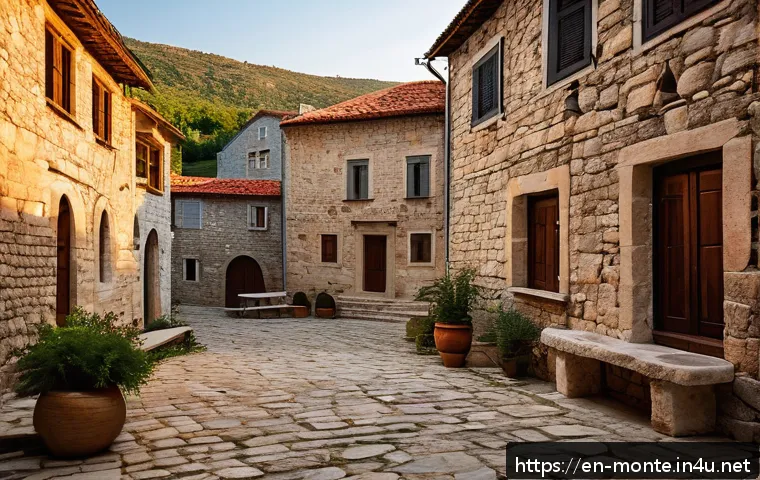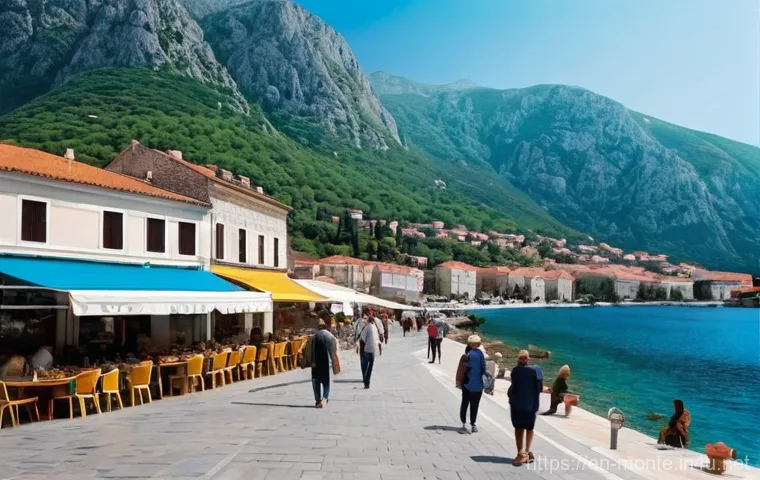
Hey there, fellow travelers and curious minds! You know, there’s something truly captivating about the Adriatic, and for years, Montenegro has been one of its shining stars, pulling in visitors with its stunning coastline and ancient towns.
But here’s the thing I’ve been noticing lately: behind all that breathtaking beauty, this vibrant nation is navigating some pretty tricky economic waters.
It’s a classic tale of a small country with big ambitions – especially with its eyes set on joining the European Union – yet grappling with the real-world challenges of high public debt and making sure its booming tourism sector actually benefits everyone.
From my perspective, it’s a delicate balance. I’ve personally been keeping an eye on how their journey toward closer ties with Europe is unfolding, and honestly, it’s a fascinating, and at times, concerning situation that highlights just how interconnected global economies truly are.
We’re talking about everything from how their “Europe Now” programs are impacting daily life to the critical need for sustainable growth beyond just sun-soaked beaches.
Many locals are feeling the pinch of rising costs, and businesses are watching closely as the country tries to chart a stable course amidst fluctuating tourism revenues and the pressure of substantial debt repayments.
It’s a situation that’s far more complex than a postcard view, and it truly shapes the future for both residents and visitors alike. Ready to peel back the layers and understand the full story of Montenegro’s economic journey?
Let’s get into the nitty-gritty and uncover exactly what’s going on.
Exploring the Economic Tapestry: More Than Just Postcard Views
Riding the Waves of Recovery
If you’ve ever set foot in Montenegro, you know it’s a place that just steals your heart. From the dramatic mountains plunging into the Adriatic to the charming cobblestone streets of Kotor, it’s an undeniable gem. What I’ve seen firsthand, however, is a country actively working to polish its economic engine behind that stunning facade. After the significant jolt of the global pandemic, which really shook things up and saw the economy shrink quite a bit, Montenegro has actually been on a pretty impressive rebound. I’ve watched as its GDP figures bounced back strongly, showing a real resilience, particularly in the immediate aftermath. For 2024, the growth is projected to be around 3.0%, with a similar expectation for 2025 at about 3.2%, which, while a moderation from its earlier, more vigorous post-pandemic growth, still indicates a forward momentum. This growth has largely been fueled by what people are spending – that everyday consumption we all do – and a noticeable uptick in investments. It’s a sign that confidence is slowly but surely returning, and people are putting their money into local businesses and projects, which is always encouraging to see. This robust recovery phase, while now maturing, has indeed been a testament to the country’s inherent strengths and the determination of its people to get back on track.
The Delicate Dance with Debt
But here’s where the narrative gets a bit more complex, and frankly, it’s something I’ve personally found myself pondering quite a bit. Despite this encouraging growth, Montenegro is undeniably performing a delicate balancing act with its public debt. It’s a challenge I hear discussed frequently among locals and expats alike. Latest figures show that the country’s public debt to GDP ratio hovered around 60-61% at the close of 2024, and while that’s not the highest in Europe, it certainly presents a substantial fiscal hurdle. What really strikes me is the significant amount of debt that needs to be refinanced in the coming years. It’s not just about managing the existing debt; it’s about strategically planning for future obligations, especially when you consider the cost of borrowing internationally. I’ve witnessed the government’s efforts to navigate these tricky waters, issuing bonds and seeking development loans, but it’s a constant tightrope walk. There’s a palpable sense of apprehension about how these financial commitments will impact public services and future investments, something that touches the lives of everyone, from families budgeting their monthly expenses to entrepreneurs planning their next big venture. It’s a stark reminder that beauty and ambition often come with their own set of profound responsibilities.
The Siren Song of Europe: Aspirations and Realities
Charting a Course Towards EU Membership
Montenegro’s fervent desire to join the European Union isn’t just a political aspiration; it’s a deeply felt sentiment woven into the fabric of daily life here. I’ve had countless conversations with people who genuinely believe that full EU membership would be a game-changer, opening doors to greater economic stability, increased foreign investment, and a more robust legal framework. The government has made it abundantly clear that EU accession by 2028 is a strategic priority, and they’re pushing hard on reforms. From my perspective, this push is vital. We’re talking about adopting a common set of standards, from environmental protection to consumer rights, which can only benefit everyone. I’ve noticed the quiet optimism that integration into the EU’s vast single market would bring, promising easier trade and greater opportunities for local businesses to expand beyond the immediate region. It’s a vision that, if realized, could truly transform Montenegro’s economic landscape, making it an even more attractive destination for both investment and tourism, provided the necessary domestic reforms are fully and genuinely embraced. The journey is long and arduous, requiring unwavering commitment, but the hope it instills is undeniable.
The Euro’s Unofficial Embrace
One of the most unique aspects of Montenegro’s economic situation, and something I often find myself explaining to friends back home, is its unofficial but widespread use of the Euro. It’s fascinating, really. Unlike many other aspiring EU members who have to go through the often-painful process of transitioning their national currency, Montenegro has effectively been using the Euro since 2002. This means that, in a practical sense, one major monetary hurdle to full EU membership has already been cleared. When I exchange money or buy groceries, I don’t think about a local currency; it’s all Euros, just like in many EU nations. This has certainly brought a degree of stability and predictability, shielding the country from some of the exchange rate fluctuations that can plague developing economies. I’ve heard many locals express that this makes the idea of full EU integration feel much more natural, almost like an extension of what they already experience daily. However, it also means Montenegro doesn’t have its own central bank to conduct independent monetary policy, which can be both a blessing and a curse in managing its economy. It’s a fascinating paradox, offering both advantages and limitations as the nation continues its journey toward full European integration.
Tourism’s Evolving Landscape: Sunshine and Shadows
Navigating the Shifting Sands of Visitor Trends
Ah, tourism in Montenegro! If you’ve been following my adventures, you know how much I adore exploring its stunning coastlines and ancient towns. For years, tourism has been the undisputed heavyweight champion of Montenegro’s economy, often contributing a hefty 25-30% to the GDP. It’s a sector that directly supports thousands of jobs and countless small businesses, from charming family-run guesthouses to bustling seaside restaurants. But lately, I’ve been noticing some ripples in the otherwise smooth Adriatic waters. There’s a growing concern about declining visitor numbers and overnight stays. In fact, reports indicated a nearly 3% drop in overnight stays in July 2024 compared to the previous year, which for a country so reliant on summer visitors, is a pretty big deal. It really hit home for me when I spoke to some local shopkeepers in Budva who mentioned their sales weren’t quite what they used to be. It appears that a mix of rising prices in Montenegro and increased competition from neighboring countries, like Albania, which can often offer more attractive rates, is making potential visitors think twice. It’s a crucial wake-up call for a sector that has long been the backbone of prosperity here.
The VAT Hike and the Competition Conundrum
Adding another layer of complexity to Montenegro’s tourism landscape is a recent policy change that has sparked quite a bit of debate – the increase in VAT on accommodation. From January 2025, the VAT on hotel stays is set to jump significantly, from 7% to 15%. Now, I’ve heard varying opinions on this, but the general sentiment among hoteliers and tourism operators I’ve spoken with is one of apprehension. They’re worried about how this hike will impact their competitiveness, especially when you consider that many EU countries have lower VAT rates for hospitality. It feels like a double-edged sword: while the government aims to boost revenue, there’s a real risk of making Montenegro a more expensive destination, potentially pushing more budget-conscious travelers towards alternatives. I’ve personally seen how fiercely competitive the regional tourism market is, and any significant price increase can have a noticeable effect on bookings. Beyond this, there are ongoing frustrations about inadequate infrastructure and environmental concerns, like poorly maintained beaches and scattered waste near popular spots, that threaten the country’s reputation for quality. It’s a tough situation, and many in the industry are hoping for better cooperation with authorities to tackle these issues head-on, ensuring the magic of Montenegrin tourism isn’t overshadowed by practical problems.
Life Beyond the Headlines: What Locals Are Truly Experiencing
The “Europe Now” Promise: A Glimmer of Hope for Wallets
When you talk to people in Montenegro, one program that consistently comes up in conversation is “Europe Now.” It’s not just a political slogan; it’s something that has profoundly impacted many households. The government launched these programs with the ambitious goal of significantly improving living standards, primarily through substantial increases in wages and pensions. I’ve personally seen the effects, particularly with the “Europe Now 2” phase, which aimed to raise the minimum wage to €600 and average salaries to €1,012 by 2025. For many, especially those on the lower end of the income scale, this has felt like a lifeline. It’s more money in their pockets each month, which, in theory, should boost consumption and stimulate the local economy. Beyond just the numbers, there’s a real human element here: people feeling a bit more financially secure, able to afford things they previously couldn’t. It’s also been credited with formalizing a part of the labor market that was previously informal, meaning more people are now officially employed with proper benefits. However, while the intentions are good and the immediate impact has been positive for many, some economists worry about the long-term sustainability and whether these wage increases are truly matched by productivity gains, or if they risk stoking inflationary pressures down the line. It’s a complex equation, balancing immediate relief with future stability.
Grappling with Everyday Costs
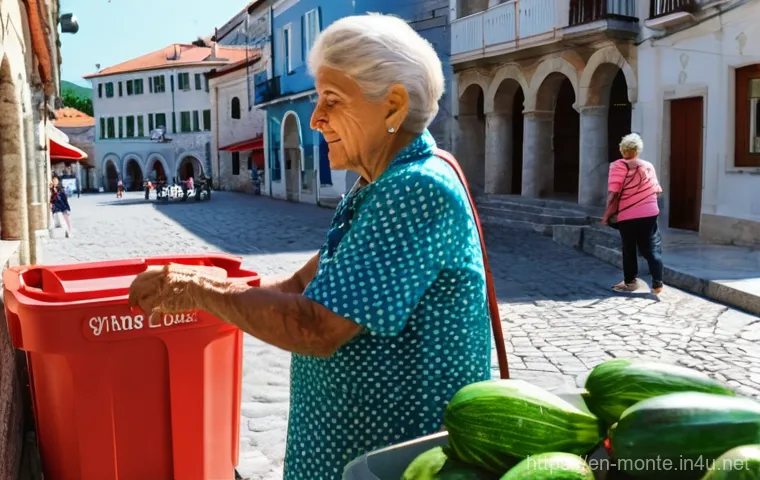
Despite the positive impact of programs like “Europe Now” on incomes, the reality on the ground, for many Montenegrins, is still a continuous struggle with rising everyday costs. I hear it often when I chat with locals at the market or in cafes – the pinch of inflation is real, even if overall rates have moderated from their peak. While the average inflation rate for 2024 was around 3.4%, and projections suggest a further decline to about 2.9% in 2025, we’ve also seen some recent upticks, with August 2025 figures showing it at 4.6%. This means things like food, housing, and utilities continue to feel more expensive, eroding some of the gains from increased wages. I’ve heard stories of families having to stretch their budgets further, carefully planning their purchases, and sometimes even cutting back on non-essentials. It’s a tough situation when your salary goes up, but the cost of living seems to climb right alongside it, or sometimes even faster for specific goods. This dynamic creates a sense of uncertainty for many, especially when coupled with concerns about unemployment, particularly among younger demographics, and persistent regional disparities where the northern parts of the country still grapple with higher poverty rates and less investment. It’s a stark reminder that economic progress needs to be felt equitably across all segments of society and all regions of the country to truly be meaningful.
Here’s a snapshot of some key economic indicators for Montenegro, reflecting its current financial pulse:
| Economic Indicator | 2024 (Estimate) | 2025 (Projection) |
|---|---|---|
| GDP Growth Rate | 3.0% | 3.2% |
| Public Debt to GDP Ratio | ~60.5% | ~61.5% |
| Average Annual Inflation Rate | 3.4% | ~4.5% (mid-2025) |
| Tourism Contribution to GDP | Around 25-30% | |
Building for Tomorrow: Challenges and Opportunities
The Quest for Diverse Investments
Montenegro is at a crossroads, where the path to sustained prosperity requires more than just relying on its natural beauty. I’ve often thought about how crucial it is for the country to attract and diversify its foreign direct investment (FDI). For a long time, much of the FDI has flowed into sectors like real estate and construction, which, while beneficial, don’t always translate into long-term, high-productivity jobs or broad economic growth. I’ve seen some incredible luxury developments, but for the economy to truly thrive, investment needs to spread its wings. The real opportunity, as I see it, lies in attracting capital to other promising sectors – perhaps technology, green energy, or even specialized manufacturing. The country’s ongoing journey towards EU integration could be a huge catalyst here, potentially making it a more attractive and predictable environment for a wider range of international investors. I’m particularly excited about Montenegro’s integration into SEPA (Single Euro Payments Area) in 2025, which is projected to save millions annually through reduced banking fees and improve business efficiency. This kind of financial infrastructure improvement, combined with efforts to streamline bureaucracy and combat corruption, could genuinely pave the way for a more diverse and resilient investment landscape, moving beyond just building beautiful seaside resorts.
Bridging the Divide: Regional Development Needs
As much as I adore the coastal glamour of Montenegro, my travels inland have really opened my eyes to the significant regional disparities that still exist. It’s something that truly tugs at my heartstrings. While the south thrives on tourism, the northern regions, despite being rich in natural resources and breathtaking landscapes, often lag behind economically. I’ve seen firsthand how underinvestment and inadequate infrastructure in these areas contribute to higher poverty rates and limited opportunities. It’s a stark contrast that highlights a critical challenge for the government: how to foster inclusive growth that benefits all citizens, not just those in the booming coastal towns. Developing these northern regions isn’t just about fairness; it’s about unlocking untapped economic potential, creating new jobs, and fostering sustainable development across the entire country. This means investing in roads, improving public services, and creating incentives for businesses to establish themselves beyond the usual hotspots. I believe that by strategically channeling resources and fostering local entrepreneurship, Montenegro can begin to bridge this divide, ensuring that the country’s economic journey lifts everyone, not just a select few. It’s a long-term project, but one that is absolutely essential for a truly equitable future.
The Fiscal Tightrope: Balancing Ambition with Prudence
Strengthening the Budget’s Foundations
Let’s get real about the numbers game for a moment. Managing a national budget is no easy feat, and Montenegro’s government is constantly navigating a complex fiscal landscape. From my observations, there’s a strong push to ensure the country’s finances are on a more sustainable footing, especially with those ambitious EU accession goals looming large. This means implementing smarter fiscal measures to balance the books and enhance revenue streams. I’ve heard discussions about modernizing the tax system and improving its efficiency, which are crucial steps. Beyond just collecting more, it’s also about collecting smarter, ensuring fairness, and reducing the informal economy. I personally believe that a transparent and well-managed budget is the bedrock of any stable economy, building trust both domestically among citizens and internationally among potential investors. The government has undertaken various reforms aimed at fiscal consolidation, and while these can sometimes feel restrictive, they are ultimately about securing a healthier financial future. It’s a continuous process of fine-tuning, but the intent to strengthen the budget’s foundations is certainly there, a vital step for a small nation with big European dreams.
Keeping a Steady Hand on Public Spending
One of the recurring themes in Montenegro’s economic discourse, and something that resonates deeply with me, is the critical need for prudent public spending. It’s not just about what comes in, but how carefully it’s spent. With significant public debt and a reliance on external borrowing, every euro of public expenditure needs to be justified and directed towards projects that generate long-term value. I’ve seen some impressive infrastructure projects underway, which are definitely needed, but there’s also been criticism about inefficient management and a tendency towards consumption-based policies rather than productivity-oriented investments. The European Commission itself has highlighted the need for improved public financial management and greater transparency, urging Montenegro to ensure its spending contributes to sustainable growth. For me, it’s about investing wisely in areas like education, healthcare, and diversified economic sectors that can create lasting jobs and reduce the country’s vulnerability to external shocks. It’s a delicate balance: providing necessary social safety nets and public services while also fostering an environment where businesses can thrive and innovate. Maintaining fiscal discipline and improving oversight of state-owned enterprises are ongoing challenges, but they are absolutely essential if Montenegro is to navigate its economic future successfully and deliver on its promise of a better life for all its citizens.
Wrapping Things Up
Wow, what a journey we’ve taken through Montenegro’s economic landscape! It’s truly a country of breathtaking beauty, but beneath the stunning vistas, there’s a dynamic and evolving story of ambition, resilience, and growth. From grappling with public debt to embracing the Euro and striving for EU membership, Montenegro is navigating its future with a blend of determination and cautious optimism. It’s a place that continues to surprise and inspire me, showing that even the smallest nations can have the biggest dreams. Keep your eyes on this gem; it’s got so much more to offer than just postcard-perfect views.
Useful Information to Know
1. Euro Dominance: Montenegro has been using the Euro since 2002, making it feel very much like a part of the Eurozone even before official EU membership. This simplifies things immensely for visitors and investors alike.
2. EU Accession Target: The government is aiming for full EU membership by 2028, signaling a strong commitment to reforms and alignment with European standards. This could unlock significant opportunities and further stabilize the economy.
3. Tourism is King: Expect tourism to remain a cornerstone of the economy, especially along the coast. While facing challenges, it’s still the engine driving much of the country’s economic activity and a source of countless unique local experiences.
4. “Europe Now” Impact: Keep an eye on the “Europe Now” programs, which have significantly boosted wages and pensions. While bringing immediate relief, their long-term effects on inflation and productivity are still unfolding.
5. Regional Disparities: Remember that economic vibrancy often differs between the booming coastal south and the more resource-rich but developing northern regions. Exploring the north offers a different, often more authentic, glimpse into Montenegrin life and its economic challenges.
Key Takeaways
Montenegro is beautifully balancing robust economic recovery fueled by consumption and investment, while strategically managing significant public debt and the ongoing fiscal demands of EU accession. The nation’s pivotal tourism sector is adapting to evolving trends and policy changes, necessitating greater infrastructure investment and competitive pricing strategies. Moreover, initiatives like “Europe Now” aim to uplift living standards, though the government faces the dual challenge of controlling inflation and addressing persistent regional economic disparities. The quest for diversified foreign investment and prudent public spending remains crucial for sustainable, inclusive growth.
Frequently Asked Questions (FAQ) 📖
Q: What’s the biggest hurdle Montenegro faces as it tries to join the European Union, especially with all this talk about public debt?
A: Oh, this is a question I hear a lot, and it’s a really critical one! From what I’ve observed, Montenegro’s high public debt is absolutely one of the most significant roadblocks on its path to EU membership.
The EU has some pretty stringent fiscal rules, and member states are expected to keep their debt-to-GDP ratios in check. Montenegro, like many countries, saw its debt levels rise, exacerbated by global events and past infrastructure projects.
This means the country needs to implement serious fiscal consolidation and structural reforms to get its finances in order. It’s not just about crunching numbers; it’s about showing Brussels that they can sustainably manage their economy within the EU framework.
For everyday Montenegrins, this often translates into tough choices for the government – balancing the need for public services and investments with the imperative to reduce borrowing.
I’ve spoken with locals who worry about potential austerity measures, or how limited government funds might impact things like healthcare or education, even as they broadly support the idea of joining the EU for the long-term benefits.
It’s a delicate tightrope walk, and you can really feel the pressure here.
Q: I’ve heard a lot about Montenegro’s “Europe Now” program. Can you tell me what it is and how it’s actually changing things for people living there?
A: “Europe Now” has been a real game-changer, and it’s certainly a hot topic of conversation across Montenegro! In essence, the original “Europe Now 1.0” program, launched in 2022, was designed to significantly boost the living standards of ordinary Montenegrins.
The main features were pretty revolutionary: a substantial increase in the minimum wage (from €250 to €450), and the elimination of health insurance contributions, essentially giving people more disposable income by raising net salaries and cutting taxes on labor.
When I first heard about it, I thought, wow, that’s a bold move! And for many, it genuinely was a relief, especially after the economic uncertainties of recent years.
People I’ve chatted with definitely appreciated the fatter paychecks. However, it also came with its own set of challenges. The program’s costs had a significant impact on public finances, contributing to the country’s debt burden.
Plus, while incomes went up, so did the cost of living – you can really feel prices for groceries and rent climbing, especially in popular tourist areas.
So, while it put more money in people’s pockets, the purchasing power hasn’t always kept pace with inflation. Now, there’s even talk of “Europe Now 2.0,” which aims to further increase the minimum wage and average salaries, but the big question remains: how will the government fund it without adding even more pressure to the national budget?
It’s a fascinating, if complex, social experiment playing out right before our eyes.
Q: Montenegro’s tourism is booming, which sounds great! But is it really a silver bullet for their economic issues, or are there other factors at play that visitors might not see?
A: You’re absolutely right, the postcard-perfect beaches and historic towns bring in massive numbers of visitors, and from a superficial glance, it looks like tourism is the answer to everything.
However, based on my experiences and conversations with locals and business owners, it’s not quite the “silver bullet” many might imagine. Yes, tourism is undeniably a massive contributor to Montenegro’s GDP, bringing in much-needed foreign currency (the Euro, since that’s their currency).
It creates jobs and supports local businesses, from family-run restaurants to boutique hotels. But here’s the rub: it’s incredibly seasonal. Outside of the peak summer months, many businesses struggle, and job security can be tenuous.
I’ve noticed a real boom-and-bust cycle, where towns are vibrant and bustling in July and August, then become incredibly quiet for the rest of the year.
This over-reliance on a single sector leaves the economy vulnerable to external shocks, like global travel restrictions or economic downturns. Plus, while tourism generates revenue, it also strains local infrastructure, drives up property prices, making it harder for locals to afford housing, and can sometimes lead to environmental pressures if not managed sustainably.
So, while tourism is vital, Montenegro desperately needs to diversify its economy – perhaps by investing more in agriculture, energy, or even technology – to truly achieve stable, long-term growth that benefits everyone, not just those directly involved in the summer rush.
It’s a beautiful industry, but it needs strong support from other sectors to truly thrive.